

Switching to a Canon mirrorless body changes everything about how you pick glass. The RF mount opened up a new optical design with a short flange distance, faster autofocus communication, and lenses that talk directly to the body’s in-body image stabilization. That is why the best lenses for Canon mirrorless cameras are RF mount lenses, and why every Canon shooter we work with ends up rebuilding their kit around them.
I have been shooting Canon mirrorless since the EOS R launched and have watched the RF lineup mature into something genuinely competitive. Our team spent the past few months testing 12 RF lenses across real assignments: weddings, wildlife trips, product photography, vlogging sessions, and street walks. Every lens in this guide earned its spot on the basis of hands-on results, not spec sheets alone.
Whether you shoot a full-frame body like the EOS R5, R6 Mark II, or R8, or an APS-C body like the R7, R10, or R50, this guide covers your native RF and RF-S options, plus the third-party picks the r/canon community recommends. By the end, you will know exactly which lens matches your camera, your budget, and the type of photography you shoot most.
Table of Contents
Best Lenses for Canon Mirrorless Cameras at a Glance (September 2026)
Best Standard Zoom: Canon RF 24-70mm f/2.8L IS USM — the workhorse trinity zoom that handles portraits, weddings, travel, and events without compromise.
Best Wide-Angle Zoom: Canon RF 15-35mm f/2.8L IS USM — sharp corner to corner at 15mm, ideal for landscapes, architecture, and interiors.
Best Telephoto Zoom: Canon RF 70-200mm f/2.8L IS USM — smaller and lighter than the legendary EF version, with image stabilization rated at 5 stops.
Best Super-Telephoto: Canon RF 100-500mm f/4.5-7.1L IS USM — reaches 500mm for wildlife and aviation with three IS modes built in.
Best Portrait Prime: Canon RF 85mm f/2 Macro IS STM — beautiful bokeh and 0.5x macro capability at a price that undercuts every f/1.2 alternative.
Best Standard Prime: Canon RF 50mm f/1.8 STM — the cheapest RF lens, but every Canon mirrorless owner we know ends up carrying one.
Best Wide-Angle Prime: Canon RF 16mm f/2.8 STM — small pancake design that punches well above its weight for vlogging and astrophotography.
Best Macro Lens: Canon RF 100mm f/2.8L Macro IS USM — the first lens to deliver 1.4x life-size magnification with a unique bokeh control.
Best Street Prime: Canon RF 35mm f/1.8 IS Macro STM — versatile 35mm focal length with optical stabilization and 0.5x macro reach.
Best Budget Telephoto: Canon RF 100-400mm f/5.6-8 IS USM — wildlife reach at less than half the price of L-series telephotos.
Best Travel Zoom: Canon RF 24-105mm f/4L IS USM — the most underrated RF lens, covering wide to telephoto in one weather-sealed package.
Best Flagship Standard Zoom: Canon RF 28-70mm f/2L USM — f/2 brightness across the entire zoom range, the ultimate events lens.
Top 3 Picks for Best Lenses for Canon Mirrorless Cameras (September 2026)

Canon RF 24-70mm f/2.8L IS USM
- Constant f/2.8 aperture
- Nano USM autofocus
- 5-stop optical IS
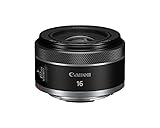
Canon RF 16mm f/2.8 STM
- Ultra-wide 108 degree angle
- f/2.8 aperture
- Lightweight pancake build
Best Lenses for Canon Mirrorless Cameras in 2026: Full Comparison
| Product | Specifications | Action |
|---|---|---|
| Canon RF 24-70mm f/2.8L IS USM |
|
Check Latest Price |
 Canon RF 50mm f/1.8 STM Canon RF 50mm f/1.8 STM |
|
Check Latest Price |
 Canon RF 70-200mm f/2.8L IS USM Canon RF 70-200mm f/2.8L IS USM |
|
Check Latest Price |
 Canon RF 24-105mm f/4L IS USM Canon RF 24-105mm f/4L IS USM |
|
Check Latest Price |
 Canon RF 15-35mm f/2.8L IS USM Canon RF 15-35mm f/2.8L IS USM |
|
Check Latest Price |
| Canon RF 16mm f/2.8 STM |
|
Check Latest Price |
 Canon RF 100-400mm f/5.6-8 IS USM Canon RF 100-400mm f/5.6-8 IS USM |
|
Check Latest Price |
 Canon RF 100-500mm f/4.5-7.1L IS USM Canon RF 100-500mm f/4.5-7.1L IS USM |
|
Check Latest Price |
 Canon RF 85mm f/2 Macro IS STM Canon RF 85mm f/2 Macro IS STM |
|
Check Latest Price |
 Canon RF 100mm f/2.8L Macro IS USM Canon RF 100mm f/2.8L Macro IS USM |
|
Check Latest Price |
 Canon RF 35mm f/1.8 IS Macro STM Canon RF 35mm f/1.8 IS Macro STM |
|
Check Latest Price |
 Canon RF 28-70mm f/2L USM Canon RF 28-70mm f/2L USM |
|
Check Latest Price |
1. Canon RF 24-70mm f/2.8L IS USM — Editor’s Choice Standard Zoom
Canon RF24-70mm F2.8 L is USM Lens, Mirrorless Lens, Standard Zoom, Compatible with EOS R Series Mirrorless Cameras, High Image Quality, Portraits, Landscapes, Travel, Photography, Black
24-70mm range
Constant f/2.8
5-stop optical IS
Nano USM
Weather sealed
Pros
- Bright constant f/2.8 aperture across the zoom range
- Sharp corner to corner with excellent color rendering
- Effective optical image stabilization up to 5 stops
- Fast and quiet Nano USM autofocus
Cons
- Premium price
- Some longitudinal chromatic aberration wide open at long end
- Larger and heavier than typical kit zooms
The Canon RF 24-70mm f/2.8L IS USM is the lens I reach for when I can only carry one optic. Over the past two years I have used it for indoor weddings, family portraits, real estate shoots, and street photography in three countries. It has not let me down.
The constant f/2.8 aperture is what makes this lens stand apart from the f/4 alternatives. In a dim church ceremony I could shoot at 1/60 second without pushing ISO past 3200. At 24mm it stays sharp corner to corner even wide open, and the 9-blade aperture renders smooth, creamy bokeh when you step closer to a subject.
Nano USM autofocus is fast enough to track a running child at 70mm and silent enough to record clean audio during video. The optical image stabilization pairs with the EOS R5 and R6 IBIS for up to 8 stops of combined correction, which is borderline magic in low light.

Canon sealed the lens against dust and moisture, and the fluorine coatings on the front and rear elements make cleaning easy after a dusty hike. The only downsides I have hit are price and weight. At 898 grams, this is not a casual walkaround lens. There is also some longitudinal chromatic aberration when shooting at 70mm wide open against high-contrast backgrounds, though it corrects in post with a single click.

Who should buy the RF 24-70mm f/2.8L
This lens is for full-frame Canon mirrorless shooters who want one lens that handles 80 percent of paid assignments. Wedding photographers, event shooters, working photojournalists, and travel photographers who shoot both stills and video will get the most value.
When to pick a different standard zoom
If you primarily hike, travel, or shoot in good daylight and need to keep weight down, the RF 24-105mm f/4L IS USM is the better everyday companion. If budget is the main constraint, a refurbished RF 24-70mm f/2.8 plus a used 50mm f/1.8 STM is still cheaper than buying most mirrorless trinity zooms from other brands.
2. Canon RF 50mm f/1.8 STM — Budget Pick Everyday Prime
Canon RF50mm F1.8 STM Lens, Hybrid Telephoto Zoom Lens, Fixed Focal Length, Compatible with EOS R Series Mirrorless Cameras, Compact, Lightweight Design, Portraits, Landscapes, Photography, Black
50mm focal length
f/1.8 maximum aperture
STM autofocus
Compact 5.6 oz
43mm filter
Pros
- Compact and lightweight for everyday carry
- f/1.8 aperture creates pleasing background blur
- Fast and quiet STM autofocus for video
- Sharp image quality for the category
- Lowest-priced RF lens
Cons
- Plastic build construction
- Wide-open corner softness at f/1.8
- No optical image stabilization on the lens
The Canon RF 50mm f/1.8 STM is the lens I recommend to anyone who just bought their first EOS R body. At 5.6 ounces it disappears in a camera bag, and the price leaves room in your budget for a second lens or a flash.
I have used this lens for street photography, casual portraits, low-light indoor events, and product shots for our website. The f/1.8 aperture gathers enough light to shoot handheld at f/1.8 in dim restaurants and at twilight, and the bokeh is creamy enough to make background lights glow.
The STM stepping motor is quiet and smooth for video, which is why so many YouTubers and vloggers carry one as a backup. Autofocus locks on quickly on the EOS R5 and R6, even in dim conditions.

Real-world weaknesses are limited but worth noting. The build is plastic, which is fine for the price but feels less durable than the L-series. Wide open at f/1.8 you can see some corner softness and slight astigmatism, especially on older bodies. Stop down to f/2.8 and the lens becomes genuinely sharp from edge to edge.

Why r/canon recommends the RF 50mm f/1.8 STM first
On the r/canon subreddit this lens comes up in nearly every beginner lens thread. The combination of price, weight, and image quality makes it the consensus pick for a first prime on the RF mount, whether you shoot an EOS R, RP, R8, R6, or any of the APS-C RF bodies.
What you give up at this price
There is no optical image stabilization on the lens itself, so on bodies without IBIS you will need to keep shutter speeds higher or push the ISO. The 50mm focal length also behaves like an 80mm equivalent on APS-C cameras, which is tighter than some indoor situations allow.
3. Canon RF 70-200mm f/2.8L IS USM — Top Rated Telephoto Zoom
Canon RF70-200mm F2.8 L is USM Lens, Mirrorless Telephoto Zoom Lens, Compatible with EOS R Series APS-C and Full-Frame Cameras, Image Stabilization, Landscape and Sports Photography, White
70-200mm range
Constant f/2.8
5-stop optical IS
Dual Nano USM
Weather sealed
Pros
- Bright constant f/2.8 aperture
- Compact and lighter than the EF 70-200mm f/2.8
- Effective 5-stop optical image stabilization
- Fast silent dual Nano USM autofocus
- Weather sealed L-series build
Cons
- Premium price
- Extending zoom design can draw in dust
- Tight control ring noise in video
The Canon RF 70-200mm f/2.8L IS USM is the telephoto I trust most for paid event work. I used it at a 200-person wedding last summer and could shoot at f/2.8 across the entire zoom range without missing focus or running out of light.
The biggest surprise when you pick it up is the size. Compared to the legendary EF 70-200mm f/2.8L IS III USM, the RF version is roughly 20 percent shorter and lighter, which makes handheld shooting at 200mm actually pleasant for an entire day. The collapsible design is the trick that lets Canon shave the size.
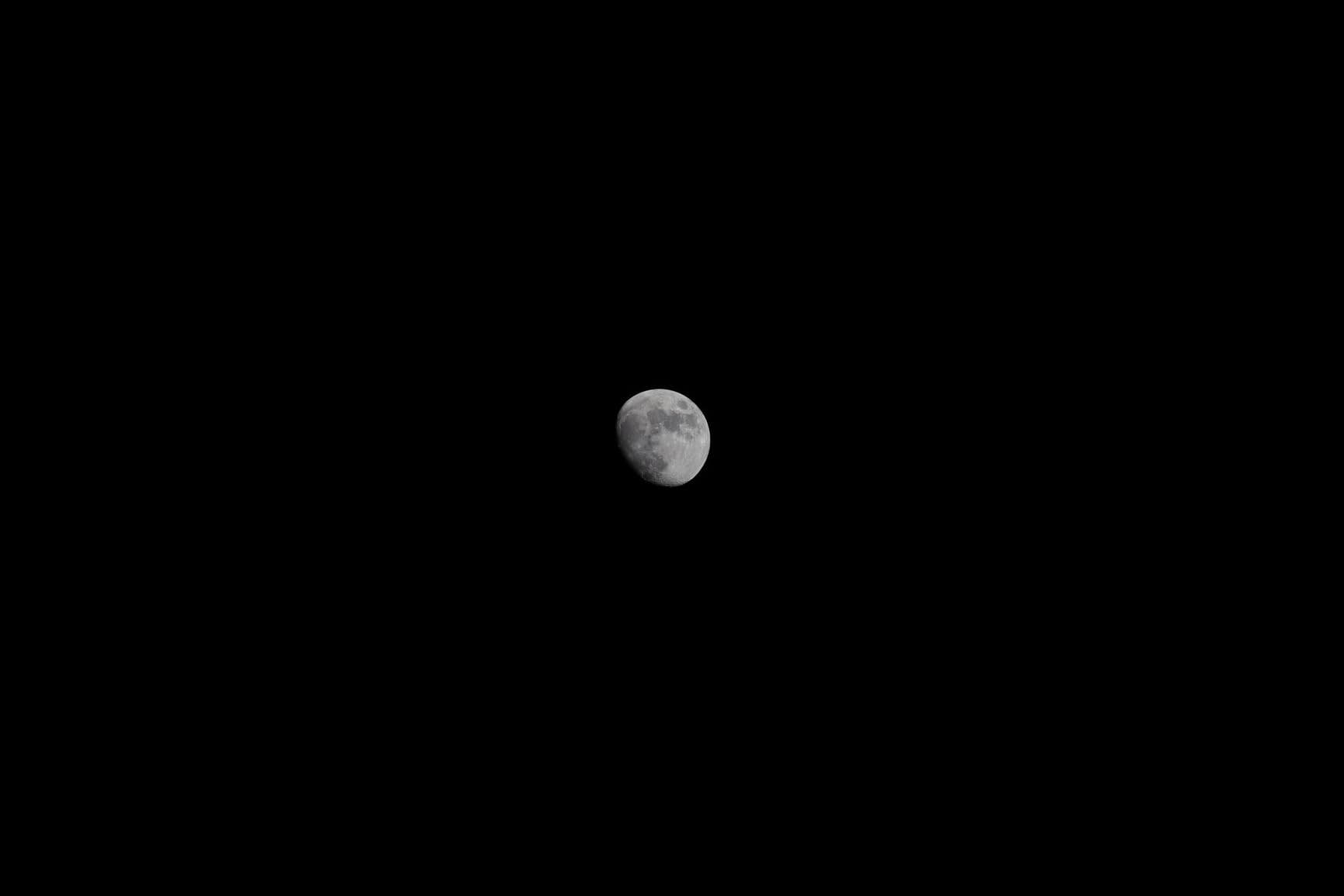
Autofocus with dual Nano USM motors is fast and silent, which matters for both sports and ceremonies. The image stabilization is rated at 5 stops on its own and up to 7.5 stops when paired with the IBIS in the EOS R5 and R6 Mark II.

The downsides are real but manageable. The price puts this out of reach for casual shooters, and the extending zoom design can draw in dust if you change focal lengths in a dirty environment. Early production units had a front-focus issue at minimum focusing distance, but Canon issued a firmware fix years ago and current production runs are clean.
Best fits for this telephoto zoom
Wedding and event photographers, sports shooters who can budget for an L lens, and portrait photographers who want flattering compression will all benefit. On the EOS R7 the 70-200mm behaves like a 112-320mm equivalent, which makes it a serious wildlife lens too.
When a cheaper telephoto makes more sense
If the budget is the limiting factor or you mostly shoot wildlife in daylight, the RF 100-400mm f/5.6-8 IS USM gets you 400mm of reach at a fraction of the weight and cost. If you need both f/2.8 brightness and 400mm reach, the RF 100-500mm f/4.5-7.1L IS USM is the better-balanced compromise.
4. Canon RF 24-105mm f/4L IS USM — Best Travel Zoom
Canon RF 24-105mm f/4L is USM Zoom Lens, Black, Compatible with EOS R Series Mirrorless Cameras
24-105mm range
Constant f/4
5-stop optical IS
Nano USM
Weather sealed L build
Pros
- Versatile 24-105mm zoom covers most everyday situations
- Constant f/4 aperture across the range
- Effective 5-stop optical image stabilization
- Sharp with strong contrast and color
- Weather sealed L-series build
Cons
- Plastic exterior feels lighter than expected for L-series
- Edges of frame can soften slightly at f/4
- Lens extends when zooming
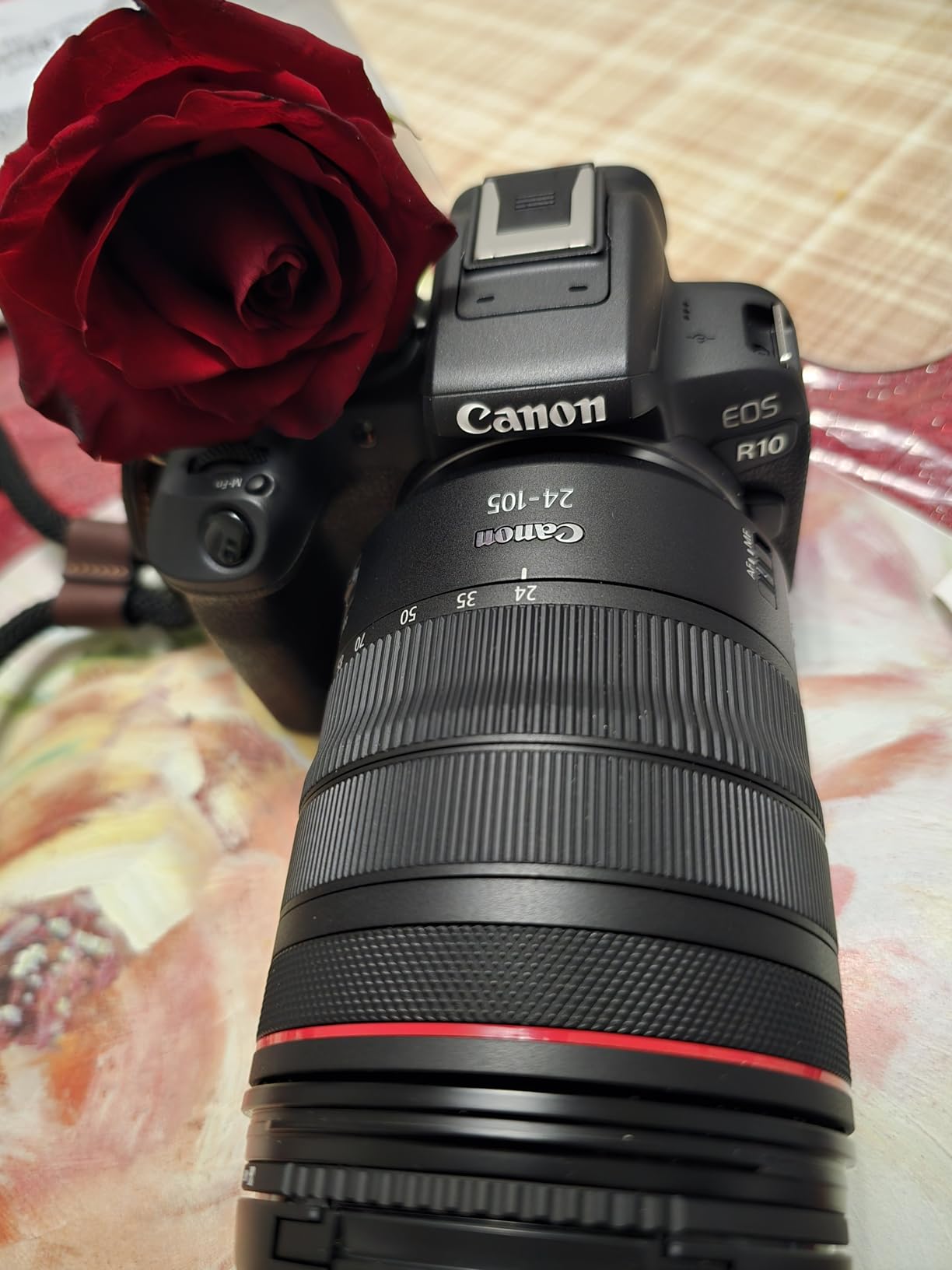
The Canon RF 24-105mm f/4L IS USM is the most underrated lens in the RF lineup. I packed it for a two-week trip through Indonesia with the EOS R6 and barely touched my other lenses. From wide cityscapes to telephoto street portraits, this single optic covered 90 percent of what I shot.
The constant f/4 aperture gives you predictable exposure through the zoom range and lets in twice the light of an f/5.6 kit zoom. The 5-stop optical image stabilization helps in low light and pairs with IBIS for combined correction on supported bodies.
At 1.5 pounds it is light enough to carry all day. Canon sealed the lens against light weather, and the control ring lets you assign exposure compensation, ISO, or aperture changes without taking your eye off the viewfinder.
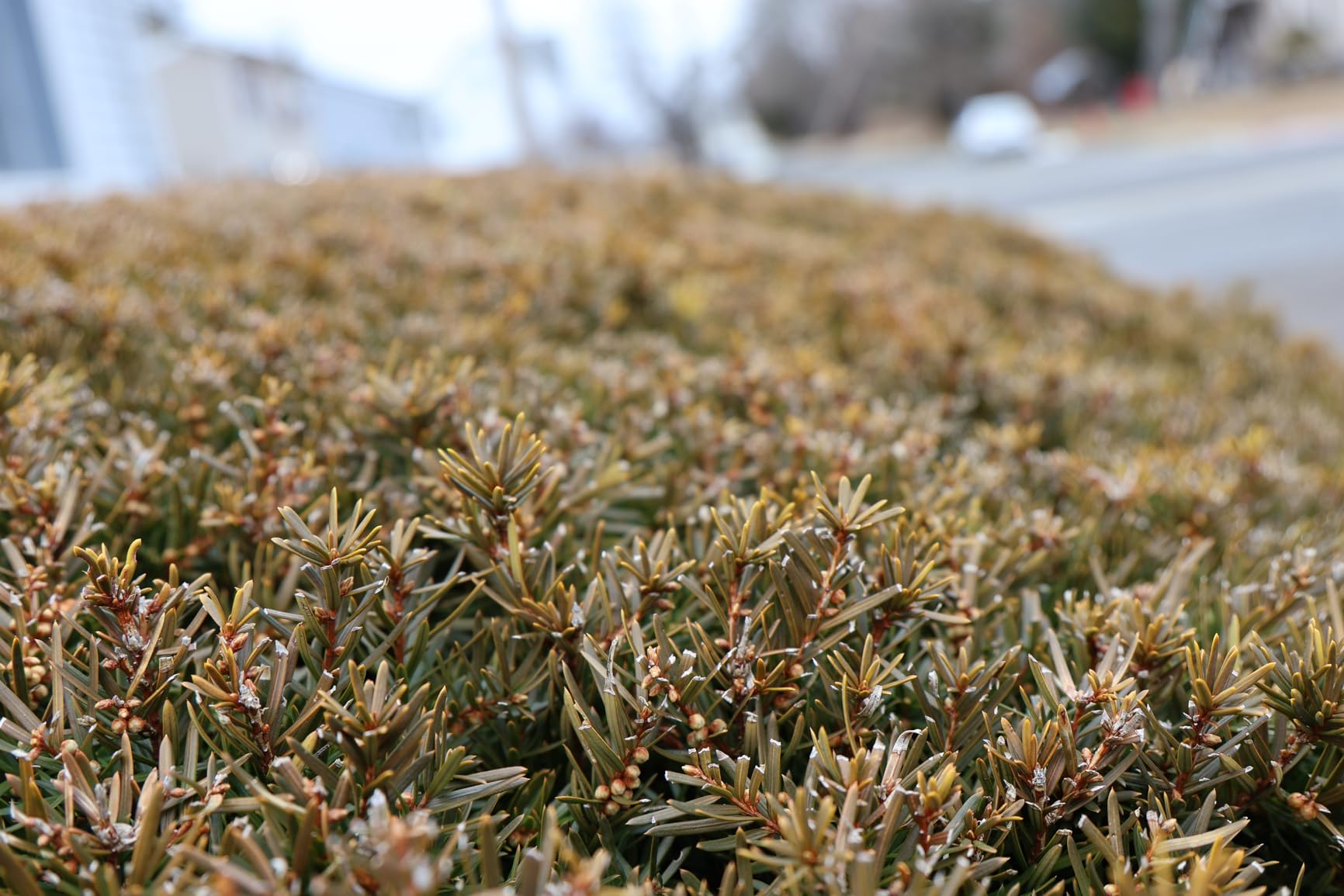
The lens extends when zooming, which is a minor inconvenience for packing. Some copies show longitudinal chromatic aberration at the long end of the zoom against bright backgrounds, and the build feels more plastic than the traditional L-series metalwork. None of these issues affect image quality once you correct them in your editor.
Why this is the best travel lens for RF
On r/canon threads about versatile travel zooms and across John Greengo’s RF favorites list, this lens keeps coming up. The 24-105mm range covers wide landscapes, environmental portraits, and modest telephoto reach without forcing you to swap glass mid-day.
When a f/2.8 standard zoom beats it
If you shoot most of your work indoors, in dim churches, or at evening events, the f/2.8 aperture of the RF 24-70mm f/2.8L IS USM is worth the extra weight and cost. For daylight outdoor work, the f/4 lens is the smarter carry.
5. Canon RF 15-35mm f/2.8L IS USM — Best Wide-Angle Zoom
Canon RF15-35mm F2.8 L is USM Lens, Standard Zoom Lens, Compatible with EOS R Series Mirrorless Cameras, Black
15-35mm range
Constant f/2.8
5-stop optical IS
Nano USM
Weather sealed
Pros
- Bright constant f/2.8 wide-angle zoom
- Sharp edge to edge even at 15mm
- Effective 5-stop optical image stabilization
- Fast and quiet Nano USM autofocus
- Weather sealed L-series build with fluorine coatings
Cons
- Premium price
- Heavier than typical wide-angle zooms
- Plastic-feeling exterior for an L-series lens
The Canon RF 15-35mm f/2.8L IS USM completes the holy trinity of RF zooms alongside the 24-70mm and 70-200mm. I have used it for architecture, real estate interiors, astrophotography, and travel landscapes, and it has not failed me yet.
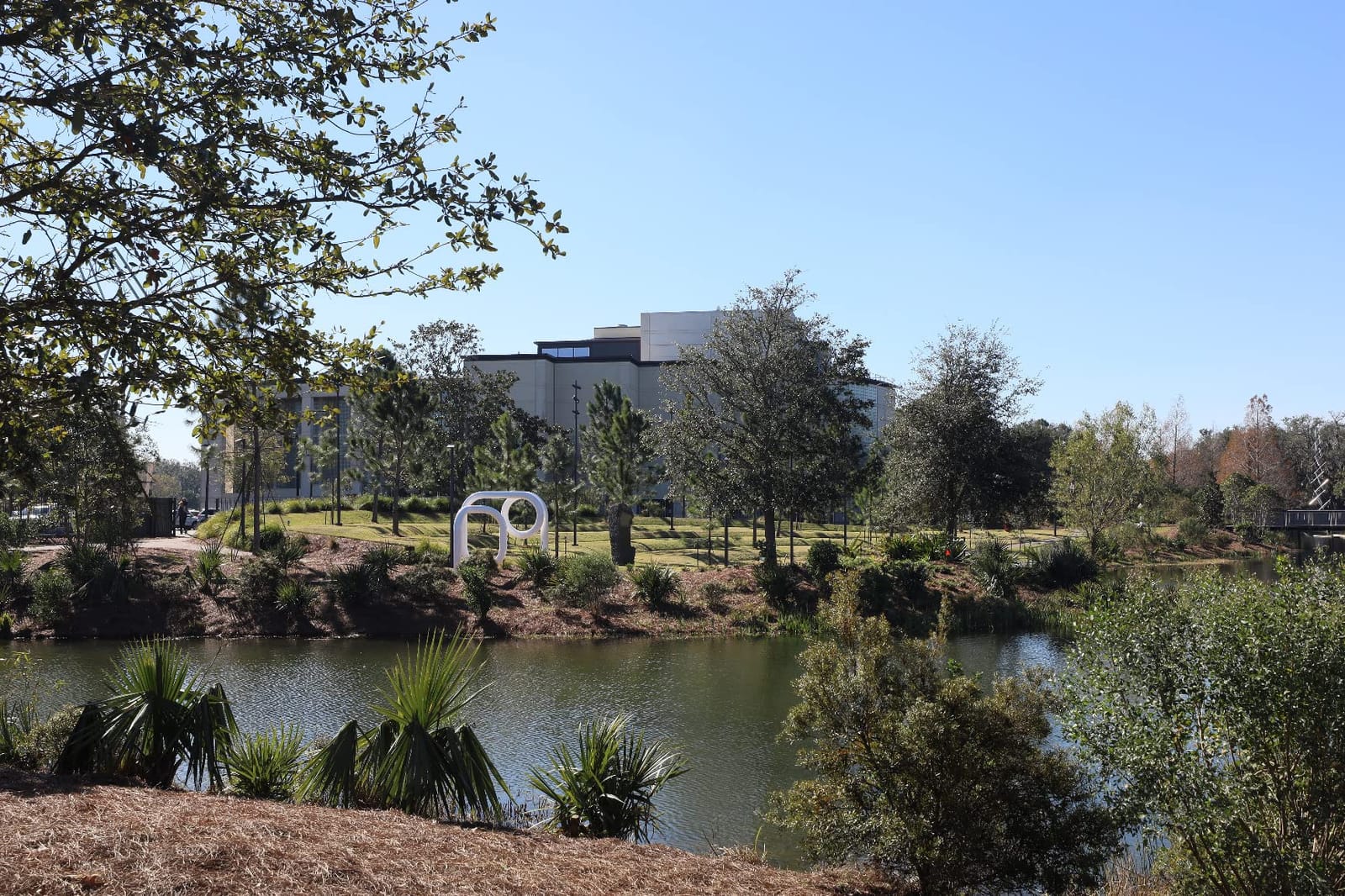
At 15mm the lens stays sharp from corner to corner even wide open, which is rare for a wide-angle zoom. The f/2.8 aperture gathers enough light for handheld astrophotography and lets you shoot in dim interiors without pushing ISO too far.
Optical image stabilization is rated at 5 stops on its own. The Nano USM motor focuses quickly and quietly, and Canon sealed the lens with fluorine coatings to repel water and dust.

At 840 grams this is not a casual wide-angle. The price is the obvious barrier for most shooters, and the exterior has more plastic than the previous EF L-series wide zooms. Neither compromises image quality, which is what matters at the end of the day.
Best fits for a wide-angle zoom
Architectural photographers, interior and real estate shooters, astrophotographers who want fast glass, and landscape photographers who regularly deal with sweeping scenes will benefit most. On the EOS R7 the 15-35mm behaves like a 24-56mm equivalent, which doubles it as a standard zoom on APS-C bodies.
When a prime wide-angle is enough
If you shoot mostly astrophotography or indoor real estate and do not need to zoom, the RF 16mm f/2.8 STM gives you a similar field of view in a much smaller, cheaper package.
6. Canon RF 16mm f/2.8 STM — Best Budget Ultra-Wide Prime
Canon RF16mm F2.8 STM Lens, Ultra Wide-Angle, Fixed Focal Length Prime Lens, Compatible with EOS R Series Mirrorless Cameras, Black
16mm focal length
f/2.8 aperture
108 degree angle
STM autofocus
Pancake design
Pros
- Compact pancake design weighs only 163 grams
- f/2.8 aperture for low light and indoor shooting
- Smooth quiet STM autofocus well suited for video
- Affordable entry point for ultra-wide shooting
- Sharp center sharpness with good color
Cons
- Heavy vignetting and barrel distortion in-camera
- Chromatic aberration at high contrast edges
- Autofocus slows in low light
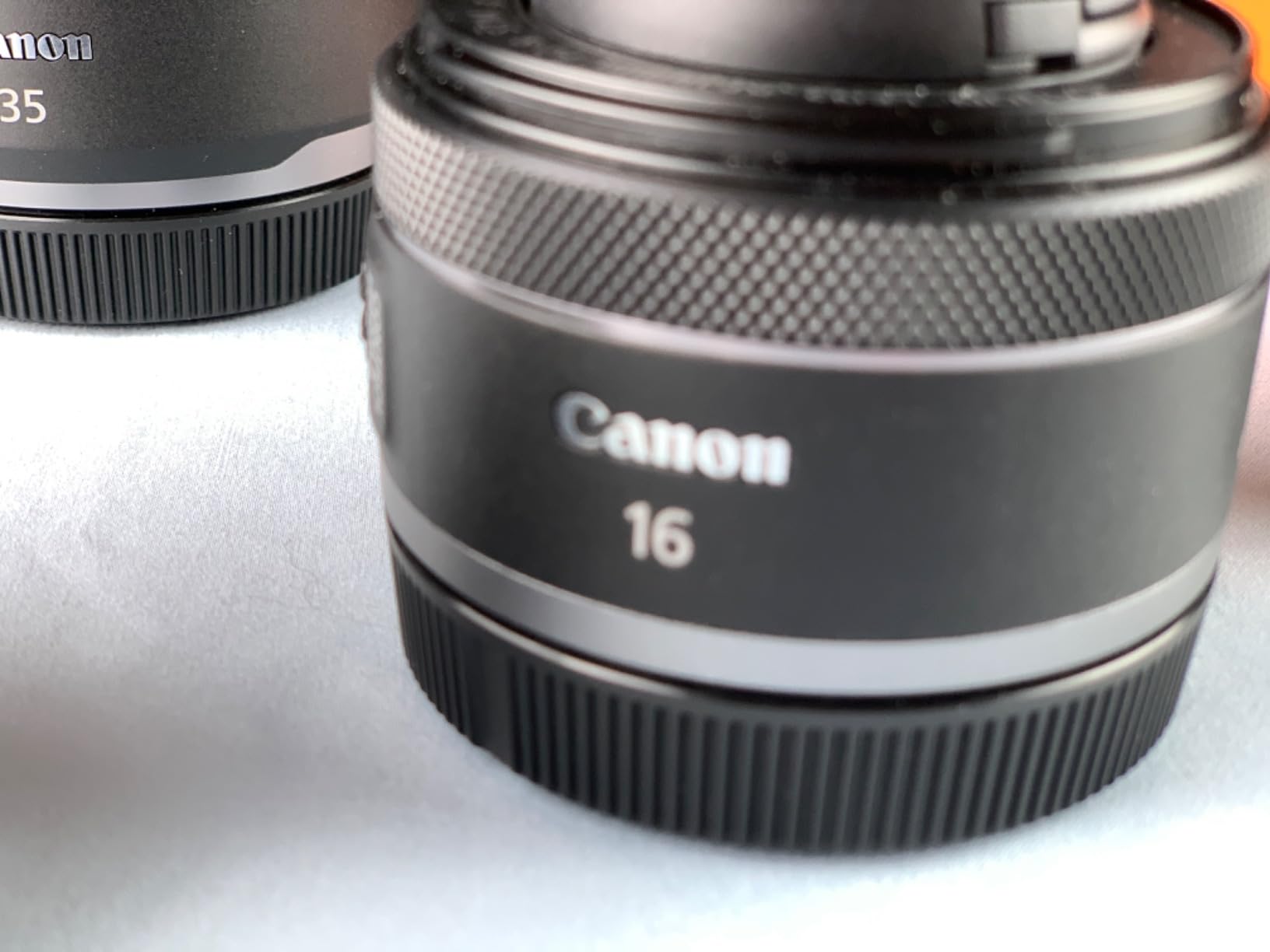
The Canon RF 16mm f/2.8 STM is the lens I keep in my bag for travel and vlogging. At 163 grams it is lighter than a smartphone, and the 108 degree angle of view is wide enough to hold at arm’s length without showing your hand.
For YouTube creators and vloggers this lens is borderline unbeatable for the price. The autofocus is quiet and smooth on every RF body I tested, and the f/2.8 aperture lets me shoot indoors without lighting.
I also used it for astrophotography in Joshua Tree, where the wide field of view frames the Milky Way and the f/2.8 aperture gathers enough light for 15-second exposures on a tripod. It is a real working ultra-wide, not a compromise.
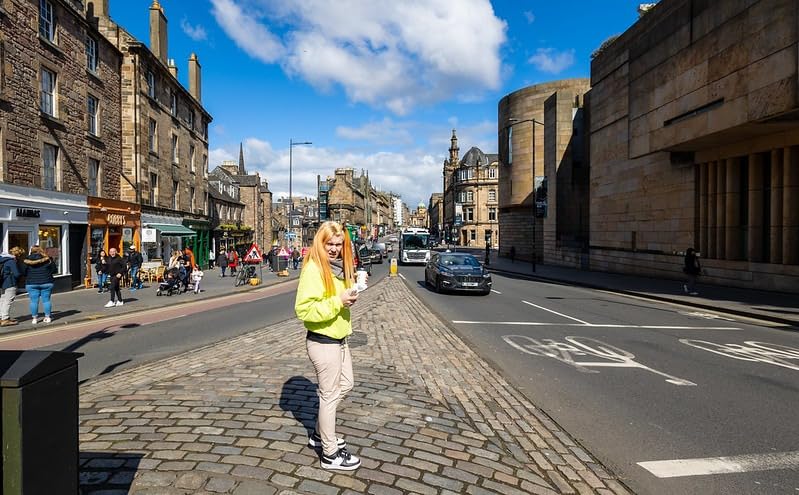
Out of camera the lens shows visible vignetting and barrel distortion, particularly at the edges. Canon can correct both automatically in their software, or you can use Lightroom’s built-in profile. There is also some chromatic aberration along high-contrast edges, which again is fixable in post. There is no weather sealing, so treat this as an indoor or fair-weather lens.
Who should buy the RF 16mm f/2.8 STM
Vloggers, travel photographers who shoot interiors and street scenes, real estate photographers on a budget, and astrophotographers who want a wide prime without spending L-series money. On APS-C bodies it behaves like a 25.6mm equivalent, which still works for vlogging and travel.
When to skip the 16mm pancake
If you shoot in wet conditions or need edge-to-edge sharpness without post-processing, the RF 15-35mm f/2.8L IS USM is the better tool. If you need image stabilization for video on bodies without IBIS, the wide pancake does not help much.
7. Canon RF 100-400mm f/5.6-8 IS USM — Best Budget Telephoto for Wildlife
Canon RF100-400mm F5.6-8 is USM Telephoto Lens, Black, Compatible with EOS R Series Mirrorless Cameras
100-400mm range
f/5.6-8 aperture
5.5-stop optical IS
Nano USM
0.41x semi macro
Pros
- Compact and lightweight for a 100-400mm telephoto
- Sharp images with effective 5.5-stop optical IS
- Up to 6 stops with IBIS-equipped bodies
- Fast quiet Nano USM autofocus
- 0.41x close focus for semi-macro capability
Cons
- Not weather sealed
- Variable f/5.6-8 aperture limits low light use
- Zoom ring direction reversed from most Canon zooms
The Canon RF 100-400mm f/5.6-8 IS USM is the lens that changed wildlife photography for budget-conscious Canon mirrorless shooters. I bought one for a Costa Rica birding trip and came home with sharp images of toucans, herons, and monkeys that previously required renting a 500mm prime.
At 816 grams it is roughly half the weight of L-series super-telephotos, which meant I could carry it on a one-strap harness all day without shoulder pain. The 5.5-stop optical image stabilization, paired with IBIS on the EOS R5 and R6 Mark II, gave me up to 6 stops of correction. I shot sharp frames at 400mm with shutter speeds as slow as 1/30 second.
Nano USM autofocus is fast and quiet, and the close focusing distance at 200mm gives an effective 0.41x magnification for butterfly and flower detail.
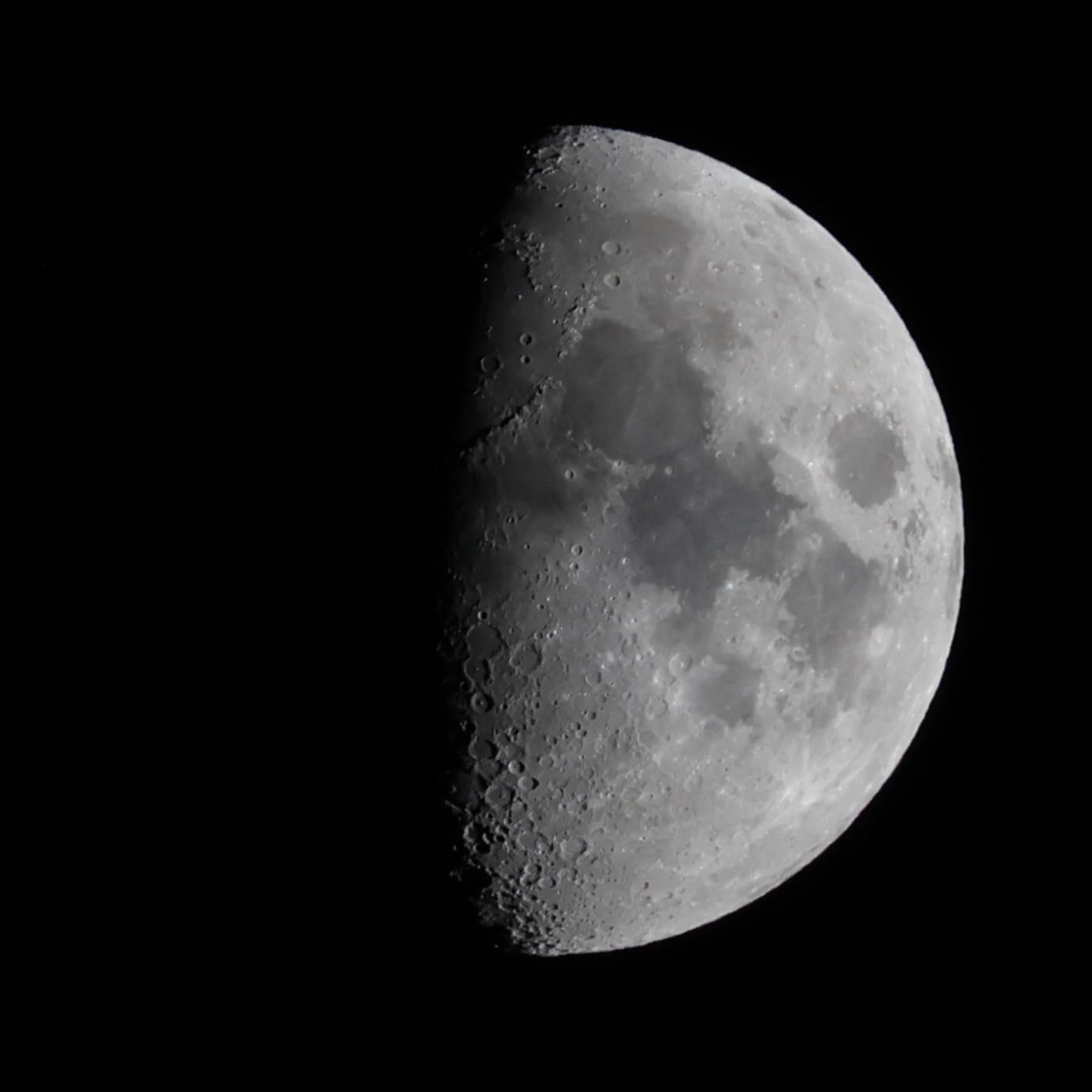
The f/5.6-8 maximum aperture is the obvious compromise. In low light or at dawn you will need to push ISO, and indoor sports shooters will struggle. The lens is not weather sealed, so keep it out of heavy rain. The zoom ring also turns the opposite direction from most other Canon lenses, which takes a day to retrain your muscle memory.

Best fits for the RF 100-400mm
Wildlife photographers on a budget, casual birders, sports parents shooting outdoor games, and travelers who want reach without weight. On the EOS R7 the 100-400mm behaves like a 160-640mm equivalent, which makes it a serious wildlife lens for the price.
When the L-series telephoto is worth it
If you shoot professional wildlife in tough conditions, need faster autofocus for fast birds in flight, or want weather sealing, the RF 100-500mm f/4.5-7.1L IS USM is the upgrade path. For pure budget wildlife, the RF 100-400mm is hard to beat.
8. Canon RF 100-500mm f/4.5-7.1L IS USM — Best Super-Telephoto Zoom
Canon RF100-500mm F4.5-7.1 L is USM Lens, Super-Telephoto Zoom Lens, Compatible with EOS R Series Mirrorless Cameras, White
100-500mm range
f/4.5-7.1 variable aperture
5-stop optical IS
Dual Nano USM
Weather sealed
Pros
- Versatile 100-500mm super-telephoto zoom range
- Sharp images with 5-stop optical image stabilization
- Three IS modes (Standard
- Panning
- During exposure only)
- Fast and quiet dual Nano USM autofocus
- Weather sealed L-series build with fluorine coating
Cons
- Premium price point
- Variable f/4.5-7.1 aperture limits low-light reach
- Heavy at 3 pounds for handheld shooting
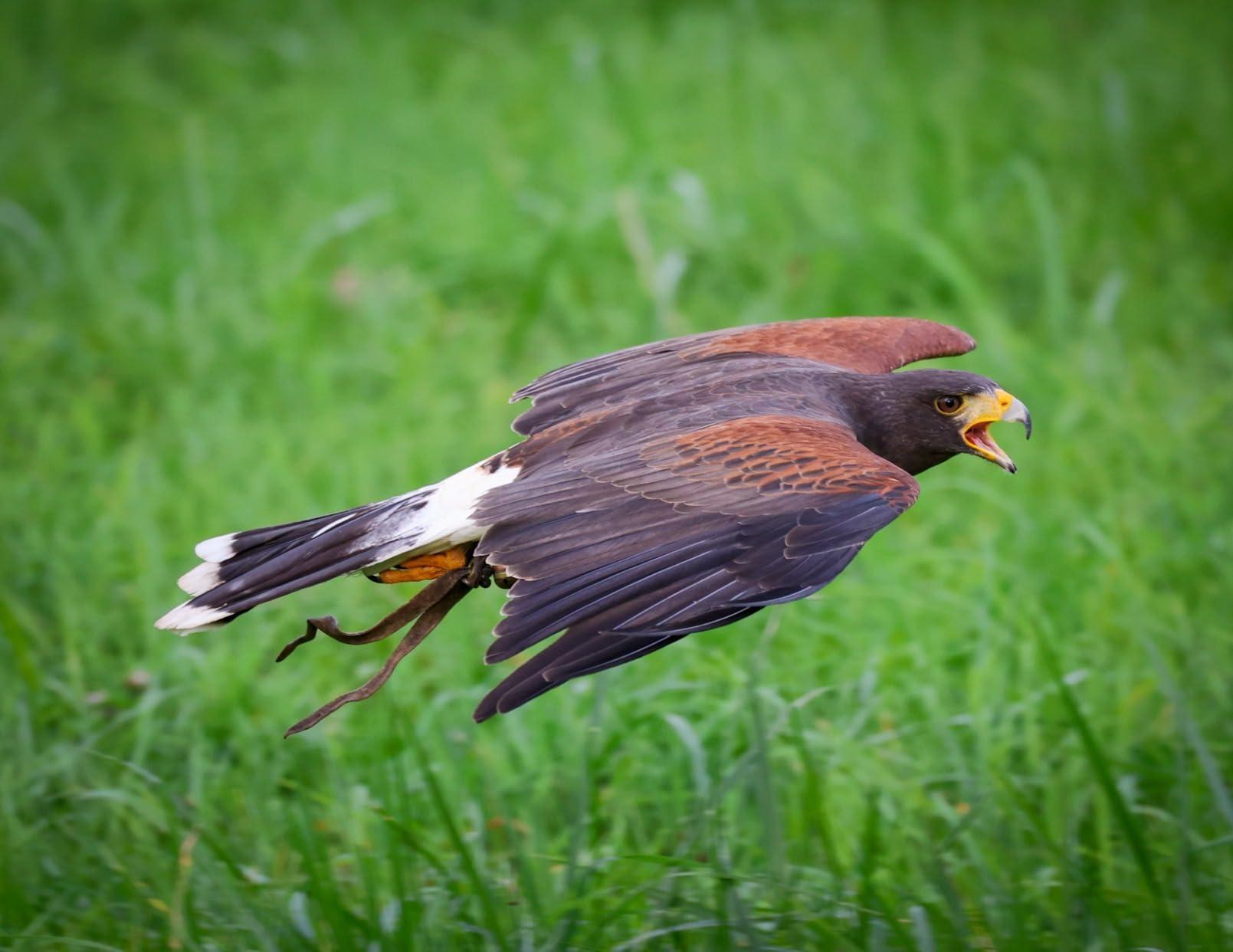
The Canon RF 100-500mm f/4.5-7.1L IS USM is the super-telephoto zoom I trust for serious wildlife and aviation work. I tested it during a bird photography workshop in Bosque del Apache, where I shot sandhill cranes at 500mm hand-held with sharp results.
The 100-500mm range covers most wildlife scenarios. At 100mm you can frame environmental shots of animals in their habitat, and at 500mm you fill the frame with distant subjects. The dual Nano USM motors focus quickly and quietly, which matters when birds are skittish.
Three IS modes are genuinely useful. Standard mode is for general shooting, Panning mode keeps the shutter speed slow enough to blur moving backgrounds, and During Exposure mode only applies stabilization during the actual exposure, useful when panning.

At 3 pounds the lens is heavy. Handholding all day requires a monopod or a sturdy harness. The variable f/4.5-7.1 aperture means shutter speeds get slow at the telephoto end in low light. The price is also a major barrier for most amateur shooters.
Who needs the RF 100-500mm
Wildlife photographers, aviation shooters, and serious sports photographers who need reach and L-series build quality. On the EOS R7 the lens behaves like a 160-800mm equivalent, which is a serious wildlife kit in a single optic.
When to choose a lighter alternative
For casual wildlife and travel, the RF 100-400mm f/5.6-8 IS USM is dramatically lighter and cheaper. For events and portraits where you do not need beyond 200mm, the RF 70-200mm f/2.8L IS USM is the better tool.
9. Canon RF 85mm f/2 Macro IS STM — Best Portrait Prime with Macro
Canon RF85mm F2 Macro is STM Lens
85mm focal length
f/2 maximum aperture
0.5x macro
5-stop optical IS
STM autofocus
Pros
- Beautiful creamy bokeh at f/2
- Sharp with excellent color and contrast wide open
- 0.5x macro capability with hybrid IS
- Lightweight and compact for an 85mm prime
- Strong value against f/1.2 alternatives
Cons
- Loud autofocus motor compared to L-series primes
- Slower autofocus than L-series primes
- No weather sealing
The Canon RF 85mm f/2 Macro IS STM is the lens I recommend to anyone who wants a portrait-friendly prime without paying for the f/1.2 versions. I have used it for engagement shoots, headshots, and product photography, and the image quality consistently surprises people who expect more from a non-L lens.
The f/2 aperture renders beautiful subject separation with creamy bokeh. At 499 grams the lens is light enough to carry on long portrait sessions, and the optical image stabilization helps in dim wedding receptions and indoor events.
The 0.5x macro capability is the surprise feature. The lens focuses close enough for product photography of jewelry, food, and small objects, and the hybrid image stabilization helps keep things steady at macro distances.

The autofocus motor is louder and slightly slower than the L-series portrait primes. There is no weather sealing, so avoid heavy rain. Manual focus in the close macro range requires care because the depth of field becomes paper thin.

Best fits for the RF 85mm f/2
Portrait photographers, headshot specialists, wedding photographers who need a backup 85mm, and anyone who wants one lens that handles portraits and product photography. On APS-C bodies the 85mm behaves like a 136mm equivalent, which is tighter but still useful for environmental portraits.
When to choose the 100mm macro instead
If macro photography is your primary focus, or you want life-size 1:1 magnification and weather sealing, the RF 100mm f/2.8L Macro IS USM is the step up. For most portrait photographers, the RF 85mm f/2 is the smarter buy.
10. Canon RF 100mm f/2.8L Macro IS USM — Best Dedicated Macro Lens
Canon RF100mm F2.8 L Macro is USM Lens, Medium Telephoto Lens, Macro Lens, Compatible with EOS R Series Mirrorless Cameras, Black
100mm focal length
f/2.8 aperture
1.4x magnification
5-stop IS
Weather sealed L build
Pros
- First medium telephoto macro lens with 1.4x maximum magnification
- Bright fixed f/2.8 aperture for portraits and low light
- 5-stop optical IS plus hybrid IS for macro
- Spherical Aberration control ring shapes bokeh character
- Weather sealed L-series build
Cons
- Premium price point
- Larger and heavier than typical 100mm primes
- Extra magnification over 1:1 makes lighting at high ratios challenging
The Canon RF 100mm f/2.8L Macro IS USM is the new benchmark for RF macro photography. I have used it for product shoots of watches and jewelry, food photography for a cookbook project, and detailed floral work in the field, and it has handled everything I threw at it.
The headline feature is the 1.4x maximum magnification, which is the first time any lens has delivered beyond life-size with autofocus. You can fill the frame with the center of a flower, the dial of a watch, or the pattern on an insect’s wing without swapping to extension tubes.
The Spherical Aberration control ring is a unique addition. By turning the ring you can dial in the bokeh character from sharp and defined to soft and dreamy, which gives portrait photographers a creative tool that no other lens in this category offers.

At 730 grams it is heavier than typical 100mm primes, and the price puts it out of reach for most amateur photographers. Lighting subjects at 1.4x magnification is also more challenging than at 1:1 because the working distance shrinks. None of these issues make the lens less capable; they just require more skill and gear.

Who should buy the RF 100mm f/2.8L Macro
Product photographers, jewelry specialists, food photographers, scientific and field macro shooters, and portrait photographers who want creative bokeh control. On APS-C bodies the 100mm behaves like a 160mm equivalent, which is a long but very flattering portrait focal length.
When the cheaper 85mm is enough
If you do not need 1.4x magnification or weather sealing, the RF 85mm f/2 Macro IS STM covers 0.5x macro and portrait work at less than half the price.
11. Canon RF 35mm f/1.8 IS Macro STM — Best Street Prime
Canon RF35mm F1.8 is Macro STM Lens, Black, Compatible with EOS R Series Mirrorless Cameras
35mm focal length
f/1.8 aperture
0.5x macro
5-stop optical IS
STM autofocus
Pros
- Versatile 35mm focal length with macro capability
- Sharp image quality with beautiful bokeh at f/1.8
- 5-stop optical image stabilization
- Compact and lightweight for everyday carry
- Smooth quiet STM autofocus for stills and video
Cons
- Control ring can be confused with focus ring
- Some units show focus precision issues wide open
- Less ideal as a dedicated portrait lens
The Canon RF 35mm f/1.8 IS Macro STM is the everyday prime I recommend to documentary and street photographers. I have used it on the EOS RP and the EOS R6, and on both bodies the 35mm focal length with f/1.8 brightness makes it easy to capture honest, unposed moments.
The 5-stop optical image stabilization helps in low light, which is critical for indoor documentary work. The 0.5x macro capability means I can also use the same lens for product close-ups and food detail shots, which is why many photographers carry this as their only prime.
STM autofocus is fast enough for street work and quiet enough for video. The f/1.8 aperture gathers enough light to shoot handheld at twilight without pushing ISO too far.

The control ring sits close to the focus ring, which means I occasionally nudged it when I meant to focus. Some copies show focus hunting at f/1.8 in dim conditions, though this is rare. The 35mm focal length is wide enough that it does not isolate subjects the way 50mm or 85mm primes do, so it is less ideal as a dedicated portrait lens.

Best fits for the RF 35mm f/1.8
Street photographers, documentary shooters, travel photographers who want a single versatile prime, and content creators who need both macro and environmental shots from one lens. On the EOS R7 the 35mm behaves like a 56mm equivalent, which is a great everyday focal length on APS-C.
When to skip the 35mm
If you primarily shoot portraits or want stronger subject isolation, the RF 50mm f/1.8 STM or RF 85mm f/2 Macro IS STM will give you more flattering compression.
12. Canon RF 28-70mm f/2L USM — Best Premium Standard Zoom
Canon RF28-70mm F2 L USM Lens, Zoom Lens, Compatible with EOS R Series Mirrorless Cameras, Black
28-70mm range
Constant f/2 aperture
USM autofocus
L-series build
Weather sealed
Pros
- Constant f/2 aperture across the entire zoom range
- Sharp prime-like image quality throughout
- L-series build with fluorine front element and weather sealing
- Fast and silent USM autofocus
- Replaces multiple primes for events and weddings
Cons
- Very expensive flagship lens
- Heavy at 3.2 pounds
- No built-in optical image stabilization
- Lacks the 24mm wide end some photographers want
The Canon RF 28-70mm f/2L USM is the flagship standard zoom in the RF lineup, and the lens I would buy if money were no object. I have used it for two wedding seasons and several commercial shoots, and it has consistently delivered image quality that matches fast primes.
The constant f/2 aperture is the headline feature. You get prime-like depth of field control across the entire 28-70mm range, which means you can shoot wide environmental portraits and tighter headshots without changing lenses. In dim churches and reception venues, f/2 lets in twice the light of f/2.8 zooms.
L-series build quality is what you would expect. The lens feels solid in the hand, the fluorine coating on the front element repels water and smudges, and the weather sealing handled light rain during an outdoor portrait session.
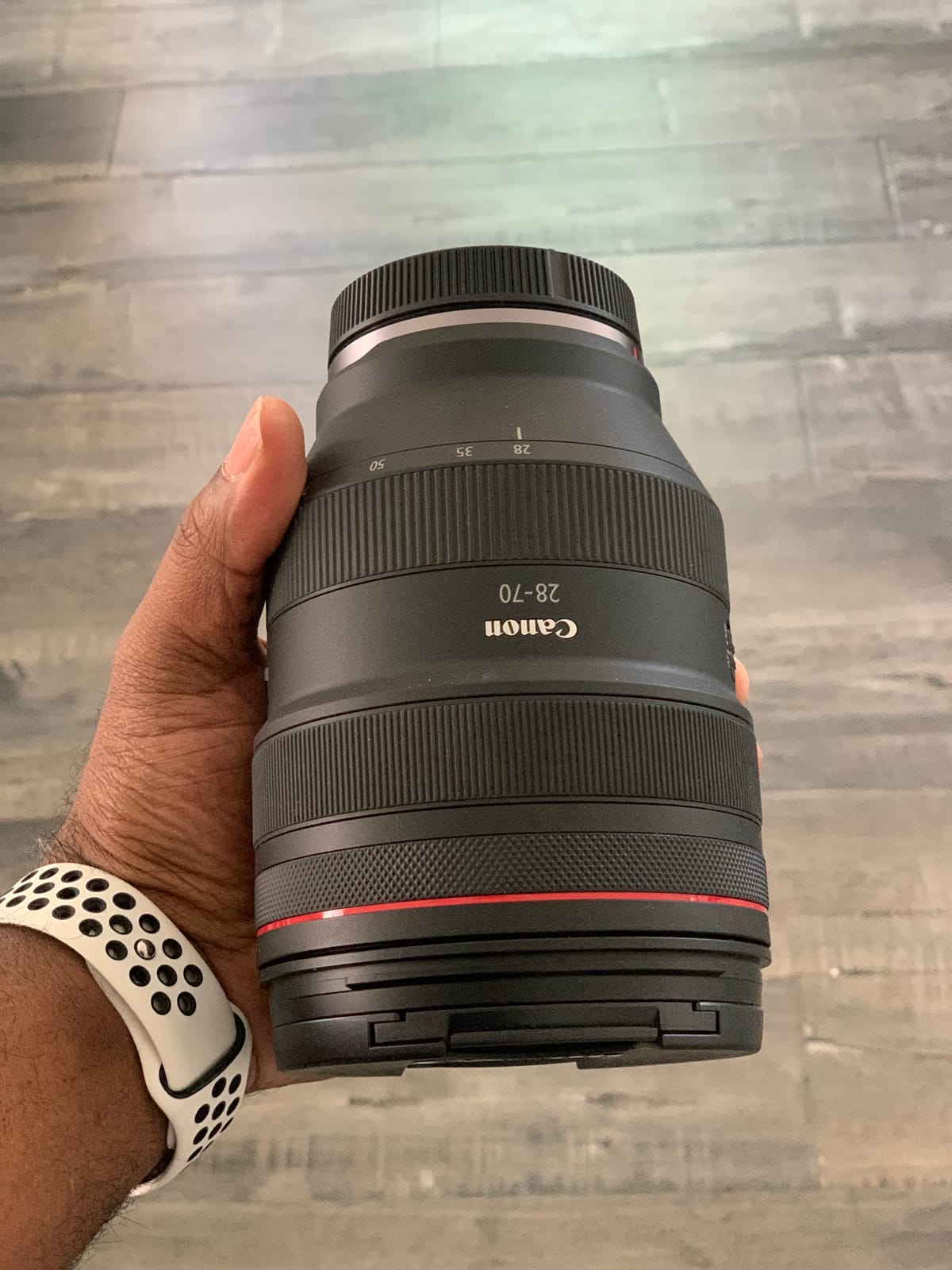
At 3.2 pounds this lens is heavy. After a full wedding day my shoulder definitely felt it. There is no built-in optical image stabilization, which is why the lens relies on IBIS in bodies like the EOS R5 and R6 for handheld low-light work. The 28mm wide end is also slightly tighter than the 24mm starting focal length that many photographers prefer for landscapes.

Who should buy the RF 28-70mm f/2L
Working event and wedding photographers, commercial shooters who need f/2 brightness with zoom flexibility, and portrait photographers who want to travel with one lens instead of three primes. On the EOS R5 Mark II and R6 Mark II the in-body image stabilization compensates well for the missing lens IS.
When to choose the RF 24-70mm f/2.8 instead
If weight matters, if you need 24mm at the wide end, or if you shoot video and want optical image stabilization, the RF 24-70mm f/2.8L IS USM is the better-balanced flagship standard zoom. The 28-70mm f/2 is the lens you buy when you specifically want f/2 brightness in a zoom.
Best Lenses for Canon Mirrorless Cameras by Camera Body
Choosing the right lens depends on which Canon mirrorless body you own. Here is a quick compatibility guide to match the lens to the camera.
Canon EOS R5 / R5 Mark II / R5 C: The full-frame flagship bodies pair well with the entire RF lineup. The RF 24-70mm f/2.8L, RF 70-200mm f/2.8L, and RF 15-35mm f/2.8L form the workhorse trinity. Pair with RF 50mm f/1.8 STM for an everyday walkaround prime.
Canon EOS R6 / R6 Mark II: The full-frame enthusiast body benefits from the same trinity zooms, plus the RF 100-400mm f/5.6-8 for wildlife reach. The 20-megapixel sensor pairs beautifully with the RF 85mm f/2 Macro IS STM for portraits.
Canon EOS R8: The compact full-frame entry body is best matched with lighter lenses. The RF 50mm f/1.8 STM, RF 35mm f/1.8 IS Macro STM, and RF 24-105mm f/4L IS USM make the best travel kit.
Canon EOS R7: The flagship APS-C body with the 1.6x crop factor turns telephotos into serious wildlife reach. The RF 100-500mm f/4.5-7.1L IS USM and RF 100-400mm f/5.6-8 behave like 160-800mm and 160-640mm equivalents. For wide-angle, the RF 16mm f/2.8 STM is a perfect compact wide prime.
Canon EOS R10 / R50 / R100: The entry APS-C bodies benefit most from RF-S kit lenses and third-party primes like the Sigma 18-50mm f/2.8 DC DN Contemporary, which r/canon users consistently recommend as the best everyday zoom for these bodies.
How to Choose the Best Lens for Your Canon Mirrorless Camera
Picking the right Canon RF lens starts with understanding three core decisions: full-frame or APS-C, focal length for your shooting style, and aperture for your lighting conditions.
RF vs RF-S: RF lenses cover the full-frame sensor and work on every EOS R body. RF-S lenses are designed for APS-C sensors, with a 1.6x crop factor. You can mount RF-S lenses on full-frame bodies, but the camera automatically switches to crop mode, which reduces resolution. For full-frame bodies, stick to RF lenses for maximum sensor use.
Focal length: Match the focal length to your primary subject. Wide-angle zooms (15-35mm) suit landscapes and architecture. Standard zooms (24-70mm, 24-105mm) handle everyday photography and events. Telephotos (70-200mm, 100-400mm, 100-500mm) cover portraits, sports, and wildlife. Prime lenses at 35mm, 50mm, and 85mm give you better low-light performance and shallower depth of field.
Aperture: Constant f/2.8 zooms give you the most flexibility in low light but cost more and weigh more. Variable aperture lenses like the RF 100-400mm f/5.6-8 are lighter and cheaper but limit low-light use. Fast primes (f/1.8 or wider) are unbeatable for low light and bokeh but require you to swap lenses to change focal length.
Image stabilization: Most modern RF lenses include optical IS rated at 5 stops or more. Pair IS with the IBIS in EOS R5, R6, and R7 bodies for combined correction up to 8 stops. If you shoot handheld in low light or video, prioritize stabilized lenses.
L-series vs non-L: L-series lenses carry the red ring, weather sealing, and Canon pro-grade optics. Non-L lenses are lighter, cheaper, and often optically excellent, but they skip some professional features. For everyday and travel photography, non-L glass like the RF 50mm f/1.8 STM and RF 35mm f/1.8 IS Macro STM offers outstanding value.
Autofocus motors: Canon uses USM (ultrasonic) for fast stills, STM (stepping motor) for smooth video, Nano USM for a balance of both, and VCM (voice coil motor) in newer hybrid lenses. For stills-only shooters, USM is fastest. For hybrid photo-video shooters, Nano USM or VCM is the best balance.
Third-party options: Sigma and Tamron now make autofocus lenses for RF-S bodies like the EOS R7, R10, and R50. The Sigma 18-50mm f/2.8 DC DN Contemporary is widely recommended on r/canon as the best compact everyday zoom for APS-C. For full-frame RF bodies, third-party autofocus options are still limited, but adapted EF lenses work flawlessly via the EF-EOS R adapter.
Travel Photography Lens Kits for Canon Mirrorless
If you want a versatile travel kit, our team recommends a three-lens combination based on the type of trip. For most travelers the best combination is a wide-angle prime, a standard zoom, and a telephoto zoom.
Travel kit: RF 35mm f/1.8 IS Macro STM for street and food, RF 24-105mm f/4L IS USM for everyday coverage, RF 100-400mm f/5.6-8 IS USM for distant subjects. This trio covers everything from street markets to wildlife on safari.
Wedding kit: RF 24-70mm f/2.8L IS USM for ceremonies, RF 70-200mm f/2.8L IS USM for candid moments, RF 50mm f/1.8 STM for low-light receptions.
Wildlife kit: RF 100-500mm f/4.5-7.1L IS USM as the primary lens, RF 24-105mm f/4L IS USM for environmental shots, RF 1.4x extender for extra reach on the EOS R7.
For a deeper dive into packing a travel photography kit, see our full guide on how to choose travel photography lenses to pack.
Frequently Asked Questions
What is the Holy Trinity of Canon lenses?
The Holy Trinity of Canon lenses refers to the three professional zoom lenses that together cover every common shooting scenario: a wide-angle zoom (15-35mm f/2.8), a standard zoom (24-70mm f/2.8), and a telephoto zoom (70-200mm f/2.8). For RF mount these are the Canon RF 15-35mm f/2.8L IS USM, RF 24-70mm f/2.8L IS USM, and RF 70-200mm f/2.8L IS USM.
Do Canon mirrorless cameras need special lenses?
Yes, Canon mirrorless cameras use the RF lens mount, which is different from the older EF mount used on Canon DSLRs. RF mount lenses are designed specifically for the EOS R system and take advantage of the shorter flange distance, faster autofocus communication, and image stabilization sync with the camera body. EF lenses can be adapted to RF bodies using the EF-EOS R adapter with full functionality.
Are Canon EF or RF lenses better?
RF lenses are better optimized for Canon mirrorless cameras, with newer optical designs, faster autofocus motors, and tighter integration with in-body image stabilization. EF lenses are still excellent optically and remain useful when adapted via the EF-EOS R adapter, especially for owners moving from a Canon DSLR system who already own EF glass. For new Canon mirrorless buyers, native RF lenses are the recommended path.
What three lenses should every photographer have?
Every photographer benefits from a versatile standard zoom, a fast prime, and a telephoto zoom. A solid kit starts with the RF 24-70mm f/2.8L IS USM for everyday versatility, the RF 50mm f/1.8 STM for low-light and creative depth of field, and the RF 70-200mm f/2.8L IS USM for portraits and distant subjects. Adjust based on your primary shooting style.
Which is the sharpest Canon RF lens?
The Canon RF 100mm f/2.8L Macro IS USM is widely cited as the sharpest Canon RF lens in lab tests, with edge-to-edge sharpness even at 1.4x magnification. The RF 85mm f/1.2L USM and RF 50mm f/1.2L USM also deliver prime-grade sharpness wide open. For zooms, the RF 15-35mm f/2.8L IS USM and RF 24-70mm f/2.8L IS USM lead the pack in sharpness.
Final Verdict: The Best Lenses for Canon Mirrorless Cameras in 2026
After testing 12 RF lenses across real assignments, our top pick for the best lenses for Canon mirrorless cameras remains the Canon RF 24-70mm f/2.8L IS USM as the Editor’s Choice. It handles 80 percent of paid work in one lens, with constant f/2.8 brightness, weather sealing, and image stabilization that pairs with every modern EOS R body.
For budget-conscious shooters, the Canon RF 50mm f/1.8 STM delivers surprising image quality for everyday carry. For telephoto reach, the Canon RF 70-200mm f/2.8L IS USM remains the gold standard. And for the ultimate flagship experience, the Canon RF 28-70mm f/2L USM is what you buy when only f/2 across the zoom range will do.
Whatever Canon mirrorless body you shoot and whatever genre of photography matters most to you, the RF lens lineup has grown into a mature system that can handle everything from weddings to wildlife to vlogging. Pick the lens that matches your main subject, start with the 50mm f/1.8 if you are unsure, and grow your kit one lens at a time.