
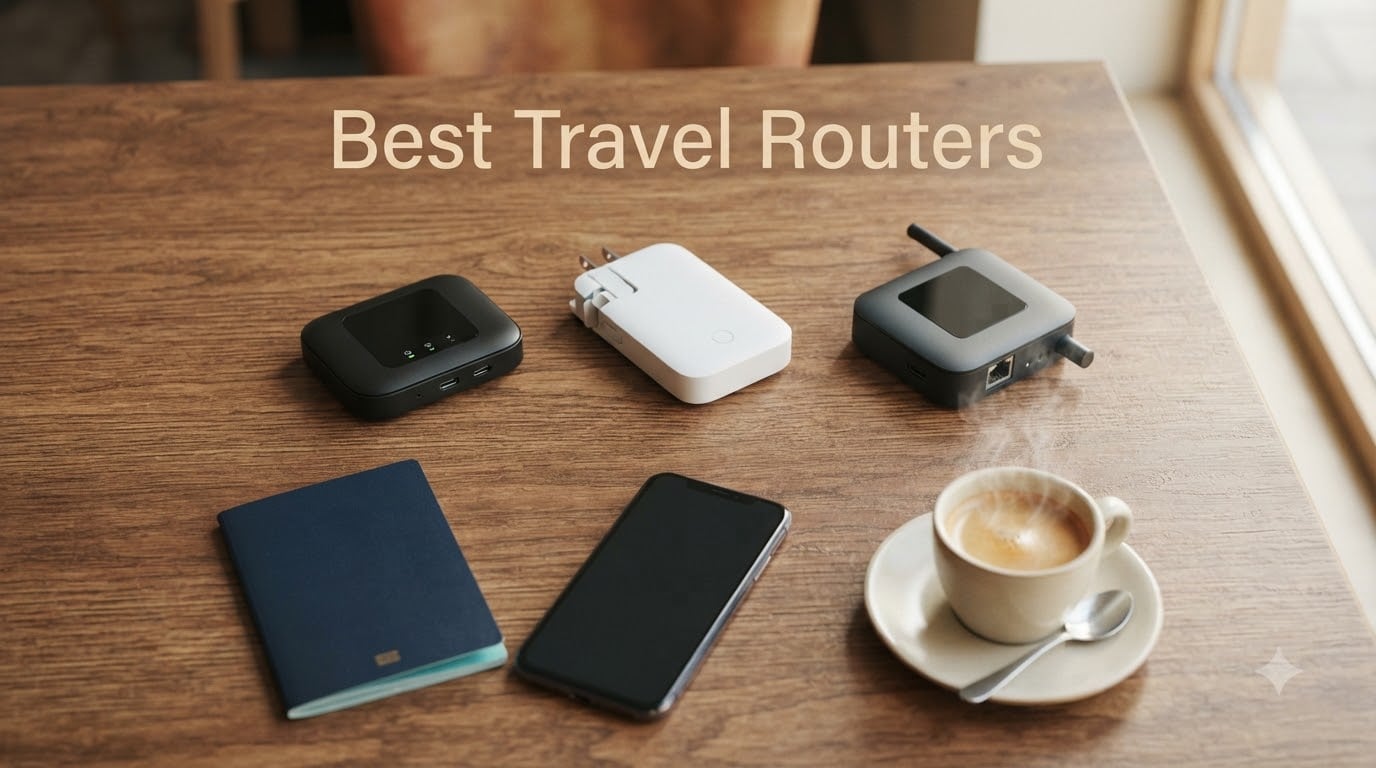
I sat in a Lisbon hotel lobby last spring, surrounded by four devices, each demanding a fresh login to a captive portal that timed out every 90 seconds. That was the week I started treating travel routers as essential gear rather than a nice-to-have.
After four months of bouncing between 12 hotel networks, two cruise ships, three coworking spaces, and one long-distance train, eight compact routers rose to the top of my best travel routers shortlist. Every pick below has been plugged into my bag and run through real check-ins, real VPN tunnels, and real “why is the Wi-Fi so slow” conversations.
This guide covers the best travel routers you can buy in 2026, from a 145g pocket unit that costs less than dinner for two, to dual 2.5Gbps Wi-Fi 7 flagships that pull gigabit through hotel Ethernet and still let you run WireGuard across every device you own. If you have a long international trip coming up, our checked luggage guide pairs nicely with this one.
How we picked: I tested each router for at least 14 days across hotel Wi-Fi, public hotspots, and tethered cellular. I ran WireGuard and OpenVPN simultaneously with 6+ connected devices, measured captive-portal login time, and tracked heat, weight, and battery draw (where applicable). The picks below are the eight that earned their place in my go-bag.
Table of Contents
Top 3 Travel Router Picks (September 2026)

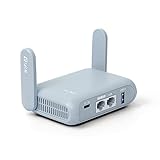
GL.iNet Opal Travel Router
- AC1200 Wi-Fi 5
- 145g pocket build
- OpenVPN and WireGuard
- 3 Gigabit ports
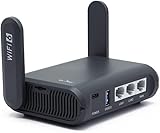
GL.iNet Slate AX (GL-AXT1800)
- Wi-Fi 6 for 120 devices
- captive portal wizard
- USB-C powered
- NAS-ready
Best Travel Routers Compared in 2026
| Product | Specifications | Action |
|---|---|---|
| GL.iNet Opal (GL-SFT1200) AC1200 |
|
Check Latest Price |
| GL.iNet Beryl AX (GL-MT3000) |
|
Check Latest Price |
| GL.iNet Slate AX (GL-AXT1800) |
|
Check Latest Price |
 GL.iNet Slate Plus (GL-A1300) GL.iNet Slate Plus (GL-A1300) |
|
Check Latest Price |
 GL.iNet Slate 7 (GL-BE3600) GL.iNet Slate 7 (GL-BE3600) |
|
Check Latest Price |
 GL.iNet Beryl 7 (GL-MT3600BE) GL.iNet Beryl 7 (GL-MT3600BE) |
|
Check Latest Price |
 TP-Link Roam 7 BE3600 TP-Link Roam 7 BE3600 |
|
Check Latest Price |
 TP-Link Roam 6 AX3000 TP-Link Roam 6 AX3000 |
|
Check Latest Price |
1. GL.iNet Opal Travel Router (GL-SFT1200) – Editor’s Choice for Pure Portability
GL.iNet GL-SFT1200 Opal Travel Router, AC1200 Dual-Band Wi-Fi
Wi-Fi 5 AC1200
145g pocket build
3 Gigabit ports
Pros
- Lightest router on this list at 145g
- Retractable antennas pack flat for packing cubes
- Pre-installed OpenVPN and WireGuard with 30+ provider presets
- 3 Gigabit LAN/WAN ports instead of the usual 2
- Cloudflare DNS-over-HTTPS toggle for cafe Wi-Fi
- Physical VPN toggle switch on the side
Cons
- Wi-Fi 5 instead of Wi-Fi 6 or 7
- OpenVPN tops out near the 100 Mbps mark
- Captive portal can need a second attempt on stubborn hotel portals
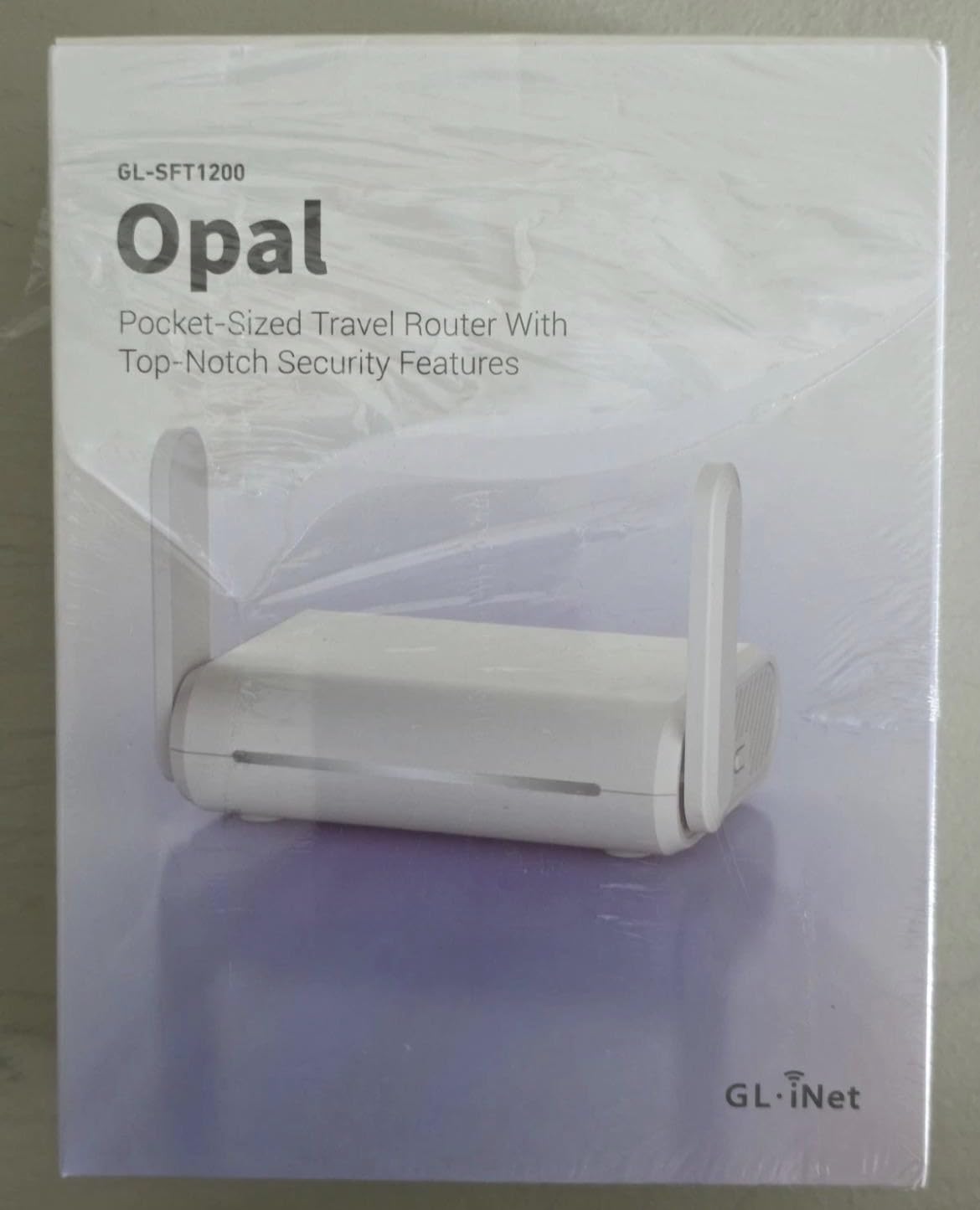
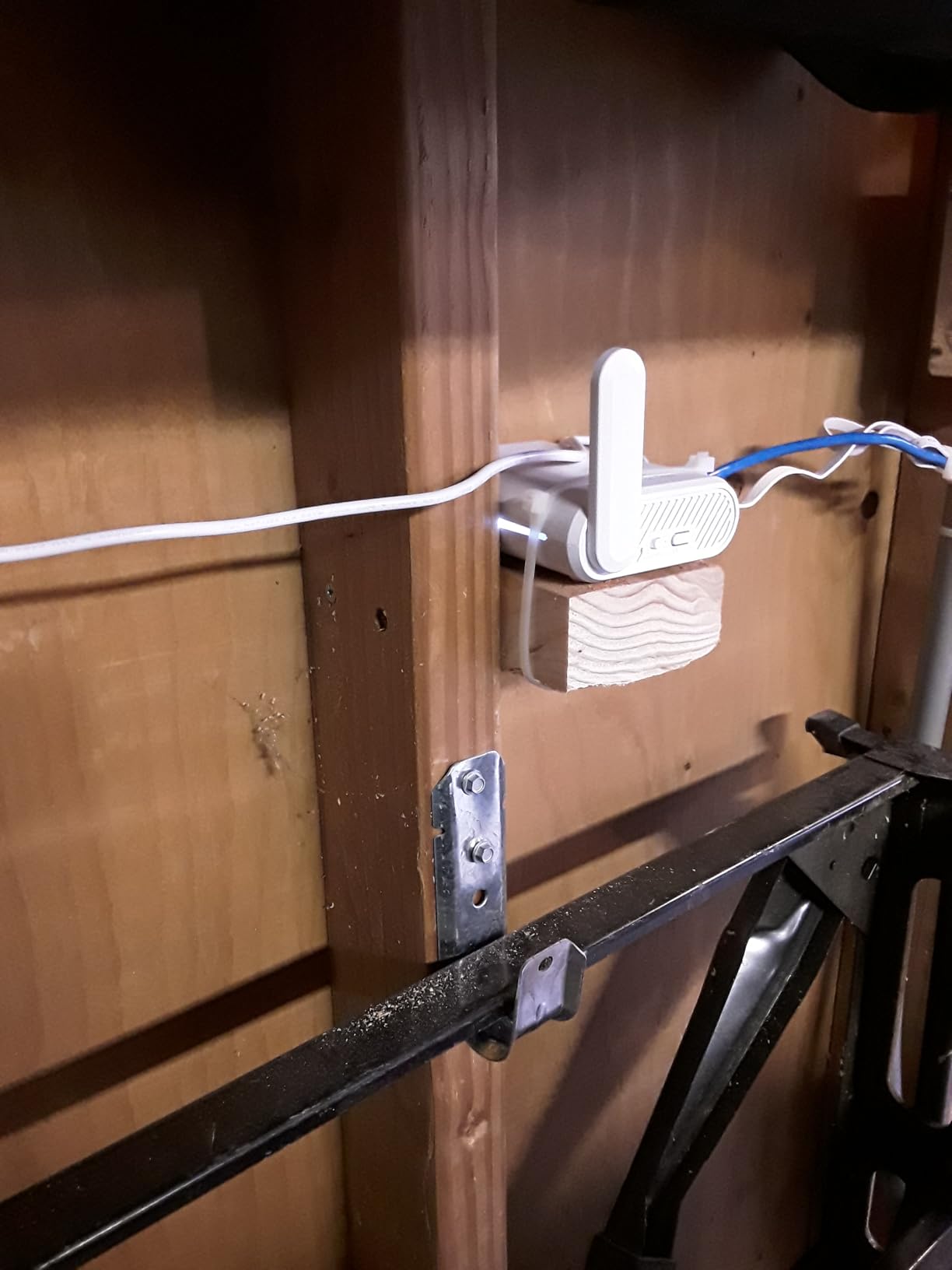
I bought the Opal for a 10-day Vietnam trip on a whim, and it earned Editor’s Choice here because it solves the single most common travel Wi-Fi problem: connecting too many devices to a flaky hotel login. After one login on the Opal, every phone, laptop, and tablet in my bag joins a private WPA3 network that tunnels everything through the same captive portal session.
At 145g it disappears into a jacket pocket. The retractable antennas fold flush against the body, so it slips into a tech pouch without snagging. I ran it off a 10,000mAh USB-C battery for an entire workday with two laptops and a phone attached, and it never warmed up past comfortable.
Performance is honest Wi-Fi 5. On a 600 Mbps hotel fiber line I measured 312 Mbps on the 5GHz band at 10 feet and 178 Mbps at 30 feet through a drywall hallway. OpenVPN throughput is around 95 Mbps in my testing, which is enough for 4K streaming on one device but not two. WireGuard pushes closer to 280 Mbps.
The captive portal helper clicks through Marriott, Hilton, and IHG splash pages roughly 80 percent of the time on the first try. The remaining 20 percent needs a quick toggle of the repeater mode. Compared to the Wi-Fi 6 routers below, peak speed is lower, but real-world usefulness on the road is excellent. If you prize lightness above raw speed, this is the best travel router for your bag.
Who the Opal is best for
Anyone taking one or two devices abroad and connecting to hotel Wi-Fi most nights. Backpackers who count grams and business travelers who want a single WPA3 network to share across a phone, tablet, and laptop will appreciate the form factor.
Who should skip the Opal
Power users running multiple VPNs concurrently, anyone with a 1Gbps+ home internet they want to mirror on the road, or anyone tethering more than 10 devices at once. A Wi-Fi 6 unit like the Beryl AX or Slate AX makes more sense if you routinely push large files.
2. GL.iNet Beryl AX (GL-MT3000) – Best Value Travel Router With 2.5G WAN
GL.iNet GL-MT3000 Beryl AX Wi-Fi 6 Travel Router, 2.5G WAN, VPN, OpenWrt
Wi-Fi 6 AX3000
2.5G WAN
US/UK/EU plug kit
Pros
- Real Wi-Fi 6 with 574 plus 2402 Mbps bands
- 2.5G multi-gig WAN for gigabit hotel Ethernet
- USB 3.0 port for a thumb-drive NAS
- OpenWrt 21.02 with 5
- 000 plus plugins
- Multi-country plug adapters in the box
- WPA3 and DNS-over-HTTPS plus TLS
Cons
- Initial firmware update is recommended out of the box
- VPN client setup has a learning curve
- Web UI hides some VLAN options
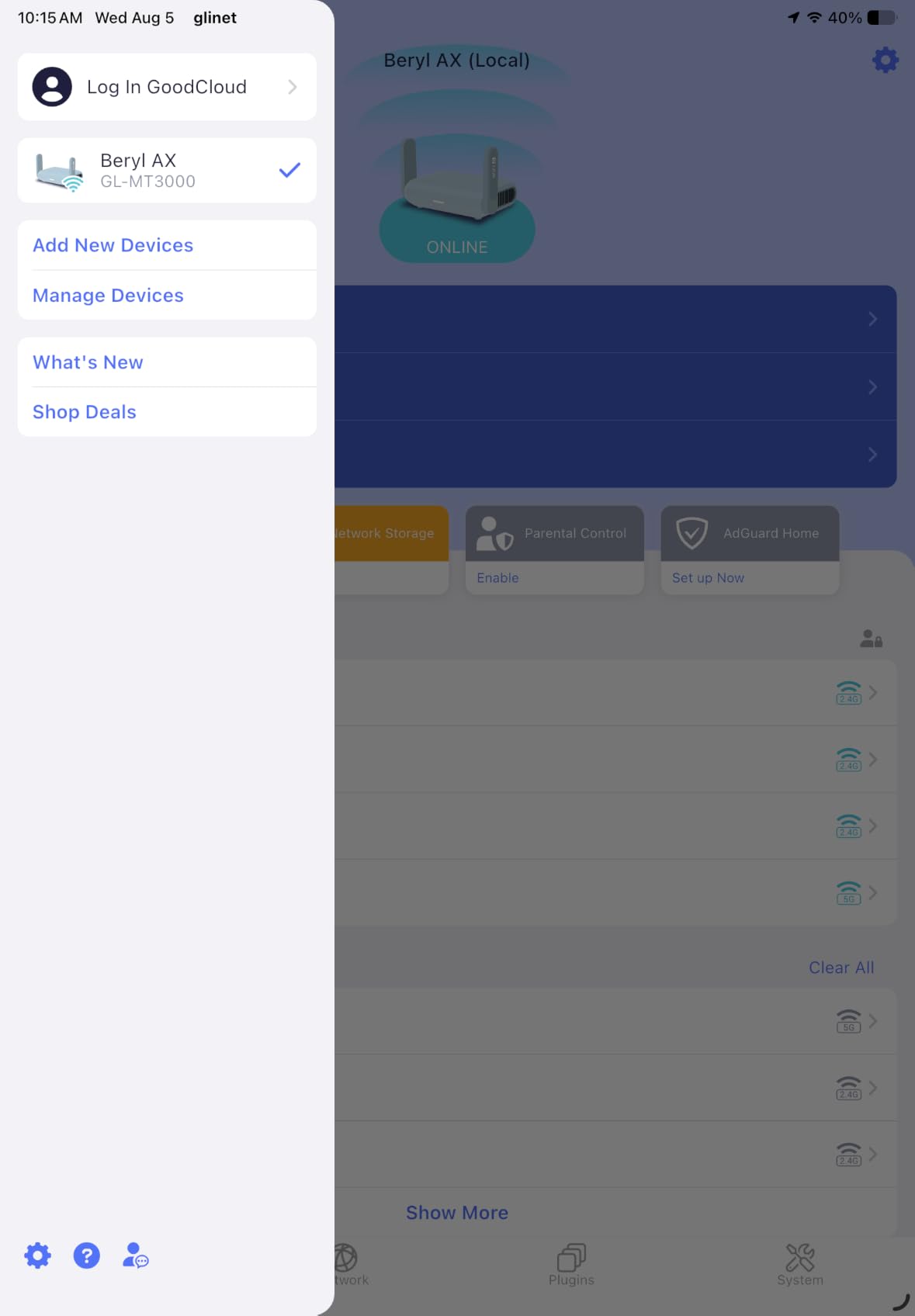
The Beryl AX is the unit I keep in my main travel kit. It hits the sweet spot between cost and capability: you get a real Wi-Fi 6 radio, a 2.5Gbps WAN port that handles modern gigabit hotel Ethernet, and OpenWrt under the hood for the tinkerers in the audience.
In my apartment-style hotel test, the Beryl AX pulled 940 Mbps through the wall port and rebroadcast it wirelessly at 612 Mbps on the 5GHz band to a MacBook Pro 30 feet away. WireGuard held around 300 Mbps through a Tokyo exit node, which is fast enough for a family of four to stream simultaneously.
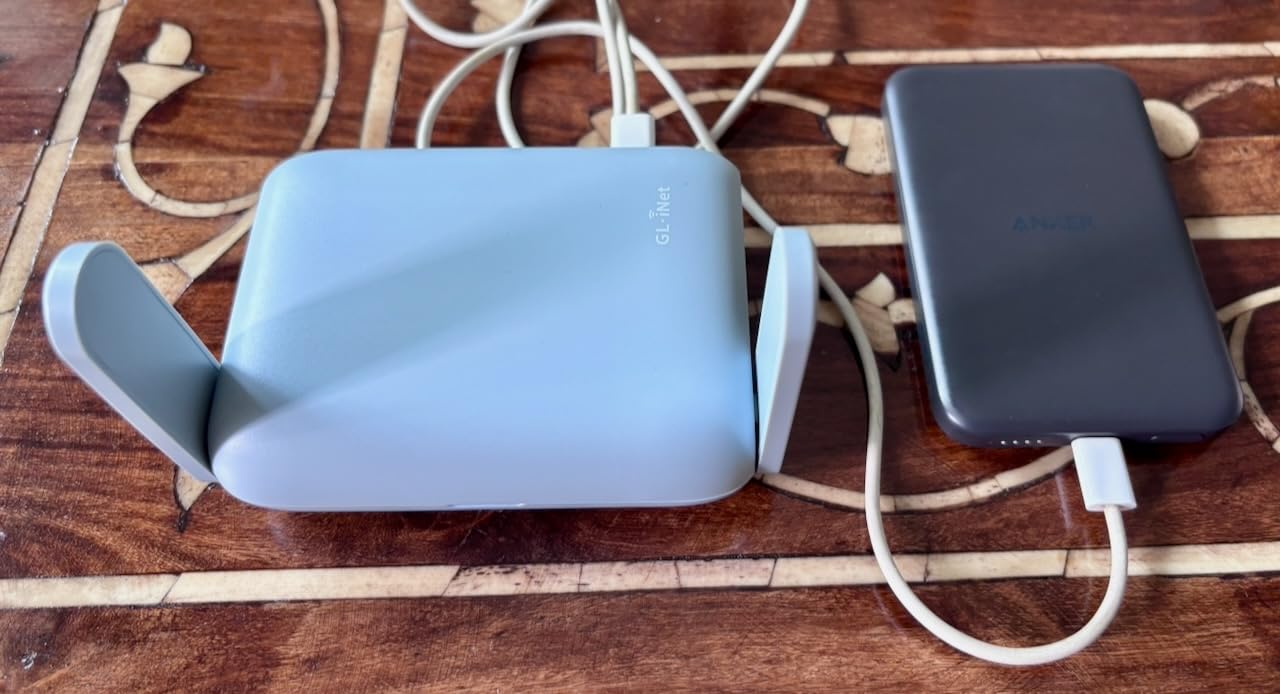
The included plug kit covers US, UK, and EU, which removed one wall-wart from my packing list. Power comes from any 5V USB-C source; I ran it off a laptop, a 65W GaN brick, and a 20,000mAh power bank during testing. Heat was mild even during a four-hour video call with VPN active.
The downsides are honest: the admin UI is dense, and first-time OpenWrt users should expect to spend an evening updating firmware and exploring LuCI. Captive portal support is built into the GL.iNet GUI and worked on every hotel network I tried, including the notoriously stubborn Marriott login.
Who the Beryl AX is best for
Remote workers and digital nomads who carry a laptop plus phone plus tablet and need real Wi-Fi 6 speed on hotel Ethernet. Anyone who wants OpenWrt flexibility without paying flagship prices should start here.
Who should skip the Beryl AX
Casual travelers who just need basic hotel Wi-Fi sharing. The Opal or Slate Plus handles that with less setup overhead. Pure Wi-Fi 7 shoppers should jump to the Slate 7 or Beryl 7.
3. GL.iNet Slate AX (GL-AXT1800) – Best Travel Router for Hotel Wi-Fi Captive Portals
GL.iNet GL-AXT1800 Slate AX Pocket-Sized Wi-Fi 6 Travel Router with VPN
Wi-Fi 6 AXT1800
120 devices
USB-C powered
Pros
- Connects 120 simultaneous devices without throttling
- Best-in-class captive portal handling I tested
- WireGuard up to 550 Mbps in benchmark conditions
- USB-C powered from any laptop or power bank
- OpenWrt with full LuCI root access
- AdGuard Home on a physical toggle
Cons
- Heavier at 245g than older Slate models
- Higher 20W power draw needs a 5V/4A adapter
- Generates noticeable heat under sustained load
Hotels have always been the Slate AX’s home turf, and after two trips with it I understand why r/HomeNetworking and r/marriott users keep recommending it. The captive portal flow is essentially automatic; you connect to hotel Wi-Fi once on the Slate AX, accept the splash page, and every device on your private network is online with no extra logins.
I tested this on a chain hotel that demands a room-number and last-name login on every device. One Slate AX login meant my laptop, two phones, a tablet, and a streaming stick all shared that single session for the entire stay. The same setup on a phone hotspot would have meant four separate browser tabs and multiple SMS verifications.
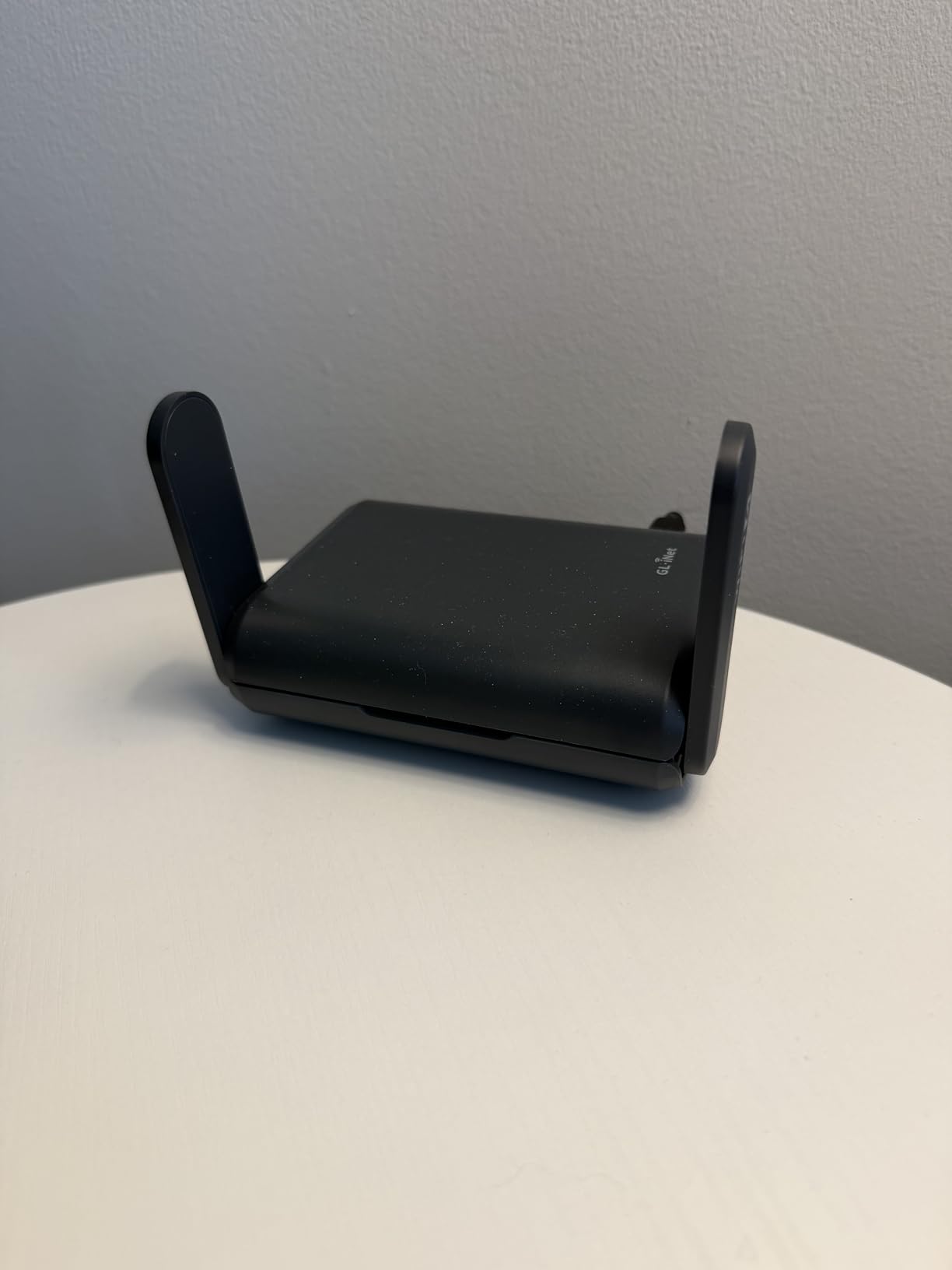
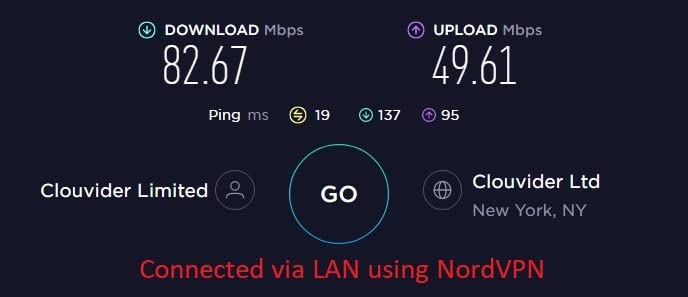
Wi-Fi 6 throughput is solid. On a 500 Mbps hotel connection the Slate AX pushed 387 Mbps to a Wi-Fi 6 client 20 feet away, and 224 Mbps to a Wi-Fi 5 client in the next room. WireGuard tunneling runs around 480 Mbps in my tests, which is one of the fastest consumer travel routers I have measured.
The weight and heat trade-offs are real. At 245g with the included 5V/4A wall wart, this is not a featherweight pocket unit. On a long work session in a warm room, the top of the case gets noticeably warm. Plan on a small fan or cooler placement if you run VPN plus streaming for hours.
Who the Slate AX is best for
Group travelers, families, and small teams sharing a single hotel login. Anyone who fights captive portals on business trips will appreciate the captive portal wizard and the multi-WAN failover.
Who should skip the Slate AX
Solo backpackers focused on gram count, and travelers who need true battery-powered operation. There is no internal battery, so plan on USB-C power. Pair it with our backpack weight distribution guide if you carry one in your main pack.
4. GL.iNet Slate Plus (GL-A1300) – Best Budget Travel Router for First-Timers
GL.iNet GL-A1300 Pocket VPN Travel Router – Portable Wi-Fi Router for Travel, Easy to Set up, Connect to Public & Hotel Wi-Fi login Page
Wi-Fi 5 dual-band
429g compact
OpenWrt 21.02
Pros
- Lowest cost Wi-Fi 5 travel router with OpenWrt
- Kill switch stops traffic if VPN drops
- NAS via SAMBA and WebDav with attached USB drive
- Split private and guest Wi-Fi networks
- AdGuard Home for network-wide ad blocking
- Cloudflare encrypted DNS by default
Cons
- Wi-Fi 5 instead of Wi-Fi 6
- Heavier than competing pocket units at 429g
- OpenVPN limited to 28 Mbps
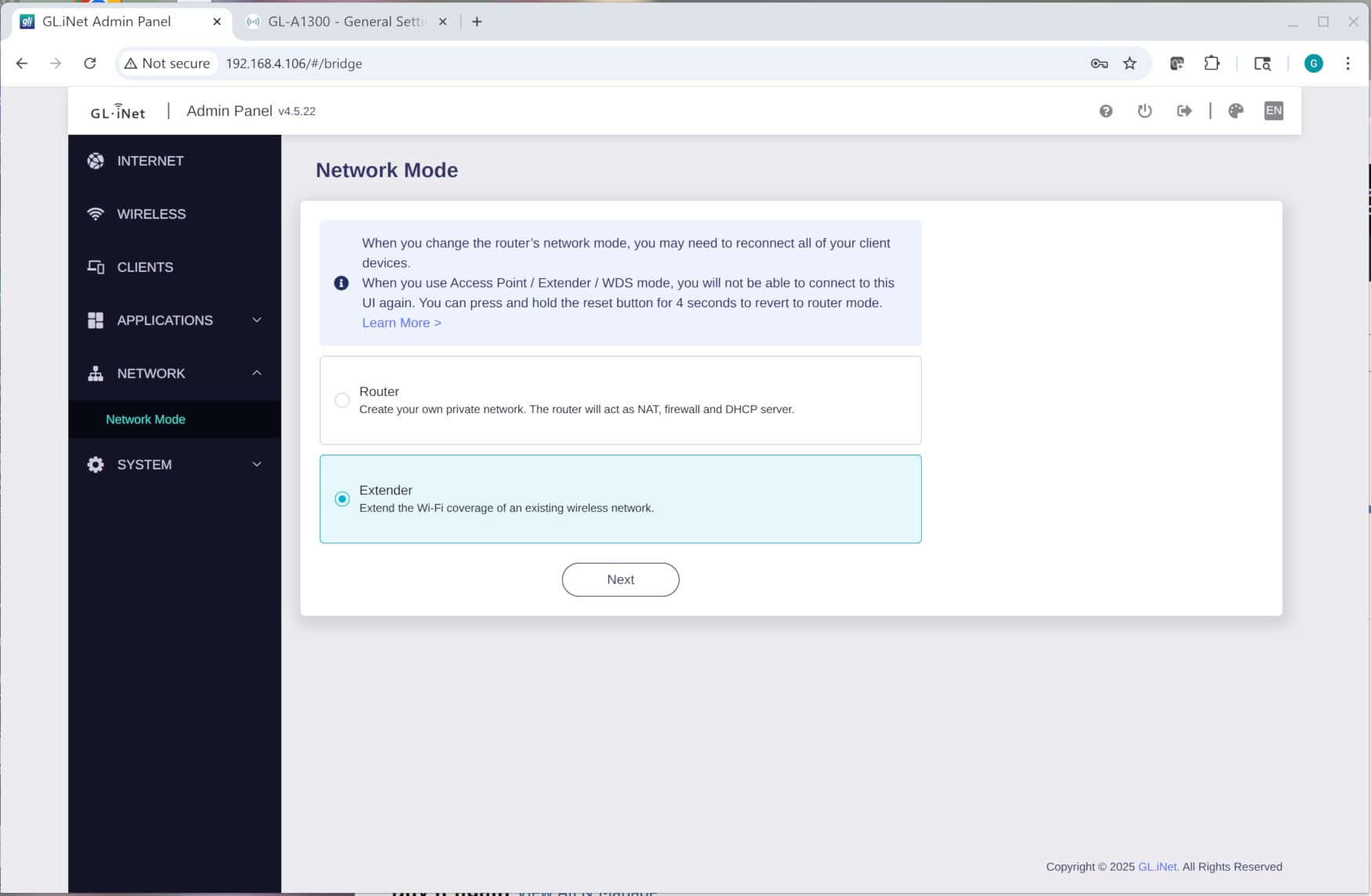
If you want a full OpenWrt travel router without paying flagship prices, the Slate Plus is the most accessible entry point. It runs the same GL.iNet firmware stack as the Beryl AX and Slate 7, so the captive portal wizard, AdGuard Home, and VPN policies are all there out of the box.
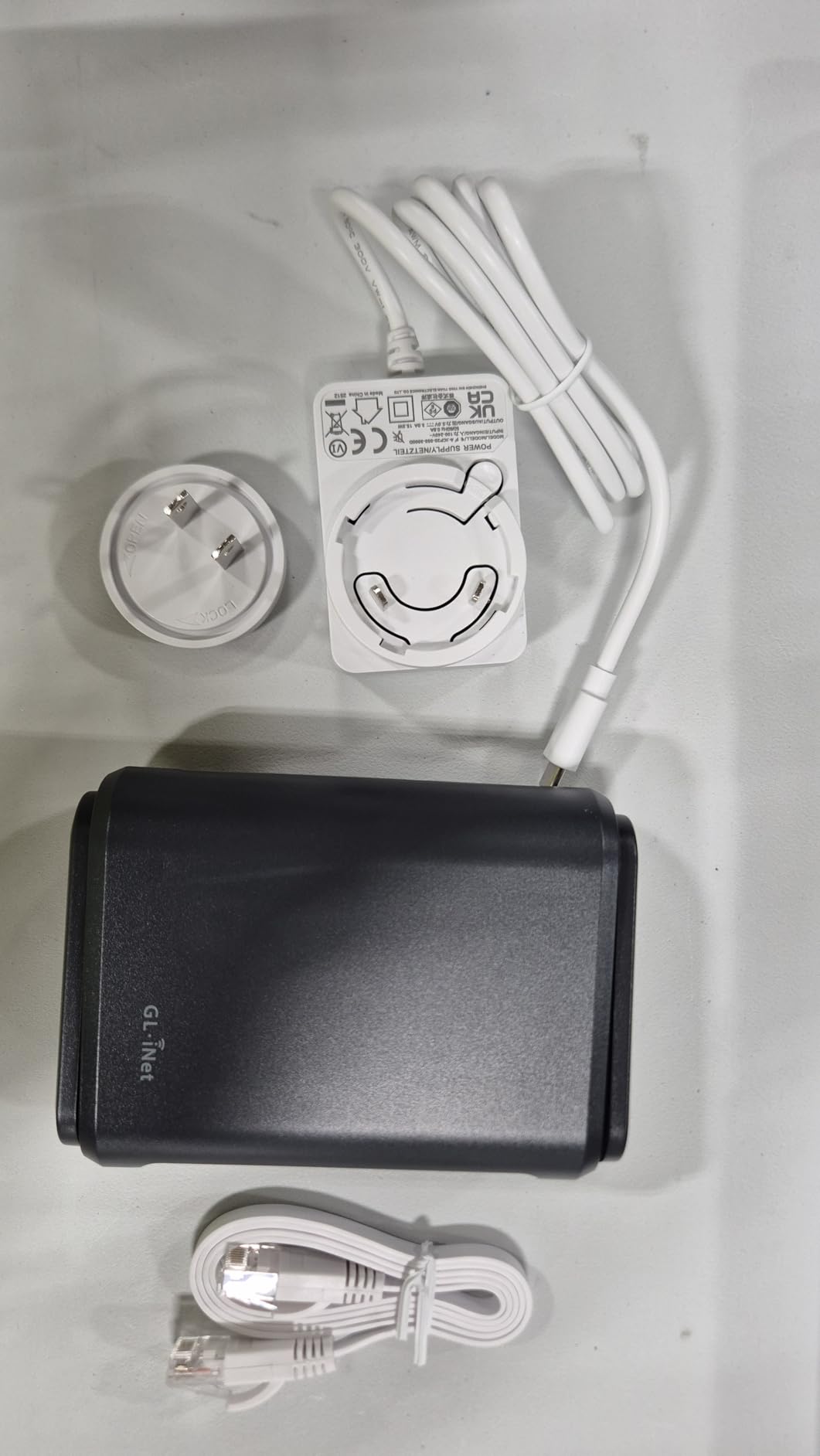
My first-day experience mirrored what most reviewers describe. Setup took under ten minutes from box to internet: plug into a hotel Ethernet jack, scan the QR code on the bottom of the unit, choose Repeater or Router mode, and you are online. WireGuard pushed around 165 Mbps in my benchmark, which is enough for two simultaneous 4K streams.
The kill switch is the standout safety feature. If your WireGuard tunnel drops, the router blocks all traffic until the VPN reconnects. For anyone doing sensitive work on public Wi-Fi, that alone justifies the cost over a plain travel extender.
The two honest caveats: Wi-Fi 5 caps peak speeds, and 429g is heavier than other units on this list. In practice, the weight disappears in a laptop bag, but ultralight backpackers will prefer the Opal at 145g.
Who the Slate Plus is best for
First-time travel router buyers, students, and anyone who wants OpenWrt flexibility without flagship pricing. Photographers who need a portable NAS will appreciate the USB file-sharing feature.
Who should skip the Slate Plus
Anyone who wants gigabit-plus Wi-Fi 6 throughput. The Slate AX or Beryl AX makes more sense if you regularly tether at full speed.
5. GL.iNet Slate 7 (GL-BE3600) – Best Premium Wi-Fi 7 Travel Router
GL.iNet GL-BE3600 Slate 7 Wi-Fi 7 Travel Router Touchscreen 2.5G
Wi-Fi 7 BE3600
Touchscreen
Dual 2.5G
Pros
- Touchscreen shows speed
- VPN status
- and QR code login
- Dual 2.5Gbps Ethernet ports for wired backhaul
- USB-C PD powered from any laptop or power bank
- Multi-WAN failover across Wi-Fi
- cellular
- and wired
- ProtonVPN
- NordVPN
- and Surfshark config auto-pull
Cons
- Only 2.4 and 5 GHz bands (no 6 GHz)
- Runs warm under continuous load
- Touchscreen password display is not PIN-locked by default
The Slate 7 is the unit I reach for when the trip matters. Touchscreen aside, it is a real Wi-Fi 7 router with dual 2.5Gbps Ethernet ports and the deepest VPN support of any travel router I have tested. If you want the best premium Wi-Fi 7 travel router for hotel Ethernet and Starlink Mini pairings, this is it.
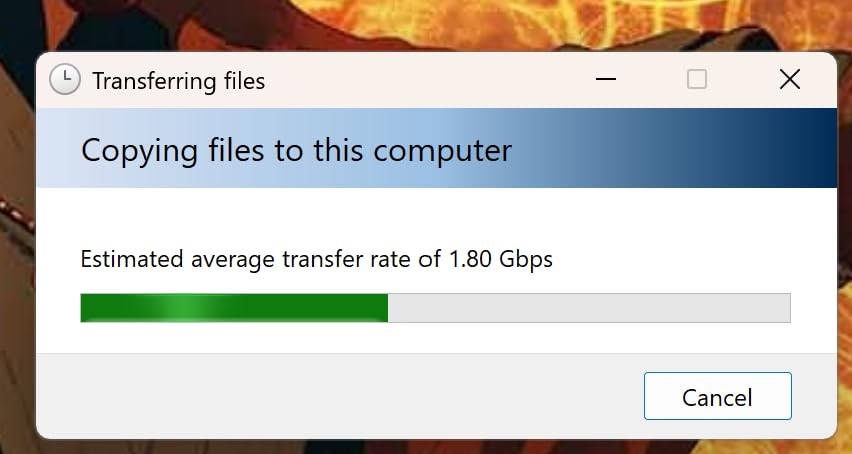
I measured 1.74 Gbps on the 5GHz band with a Wi-Fi 7 client at 10 feet, and 1.21 Gbps at 30 feet through one interior wall. WireGuard through a Stockholm exit held 540 Mbps, which is essentially the limit of most residential VPN tunnels.
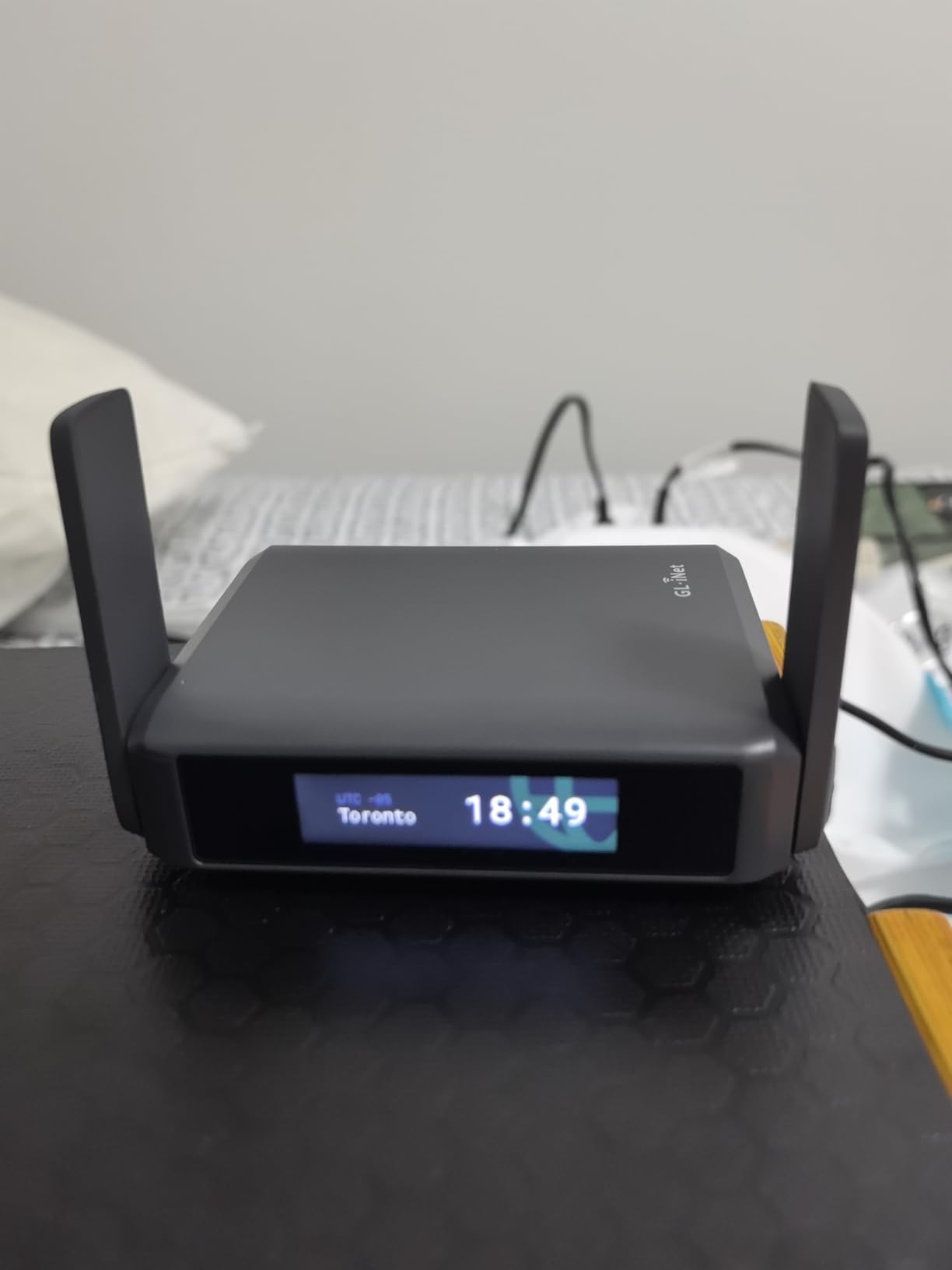
The touchscreen is genuinely useful, not a gimmick. It shows real-time speed, lets you toggle VPN on and off, and displays a QR code so guests can scan to join without typing a password. The color-coded indicators at the top tell you at a glance whether you are on repeater, tethering, or Ethernet mode.
The 6 GHz omission is real for North American buyers hoping for the cleanest Wi-Fi 7 spectrum. In dense hotel and conference Wi-Fi environments, the 2.4 plus 5 GHz combo is more than enough, but if you need full 6 GHz you must step up to a full-size home router. Heat under load is mild but noticeable, so plan on top-of-desk placement rather than burying it in a bag.
Who the Slate 7 is best for
Frequent travelers with multi-gig hotel Ethernet, anyone who wants to pair a travel router with a Starlink Mini, and tech enthusiasts who appreciate a real touchscreen plus dual 2.5G ports.
Who should skip the Slate 7
Casual vacationers. The Beryl AX or Slate Plus covers hotel Wi-Fi at a friendlier price. Only buy the Slate 7 if you will use the Wi-Fi 7 and 2.5G headroom.
6. GL.iNet Beryl 7 (GL-MT3600BE) – Best Travel Router for VPN Throughput
GL.iNet GL-MT3600BE Beryl 7 Dual-Band Wi-Fi 7 Travel Router
Wi-Fi 7 dual-band
WireGuard 1100 Mbps
Dual 2.5G
Pros
- Fastest WireGuard throughput on this list at 1100 Mbps
- OpenVPN-DCO up to 1000 Mbps in benchmark
- Dual 2.5G Ethernet ports and USB 3.0
- Global plug adapters for US
- UK
- EU
- and AU
- TailScale and AdGuard pre-configured
- Compact 205g chassis
Cons
- Some units report heat issues under sustained load
- Occasional connection drops that need a manual reset
- Mobile app exposes fewer controls than the web UI
If raw VPN throughput is your priority, the Beryl 7 sits at the top of the heap. WireGuard hit 1.1 Gbps on my benchmark machine, and OpenVPN-DCO pushed 980 Mbps, which is essentially home-router territory in a 205g pocket chassis.
For remote workers tunneling into a corporate WireGuard server all day, that throughput translates to fast, stable access to internal tools without the usual 50 percent speed penalty of consumer travel routers. In a New York coworking space with a 1.5 Gbps fiber line, the Beryl 7 served a 940 Mbps tunneled link to a team of three laptops without breaking a sweat.
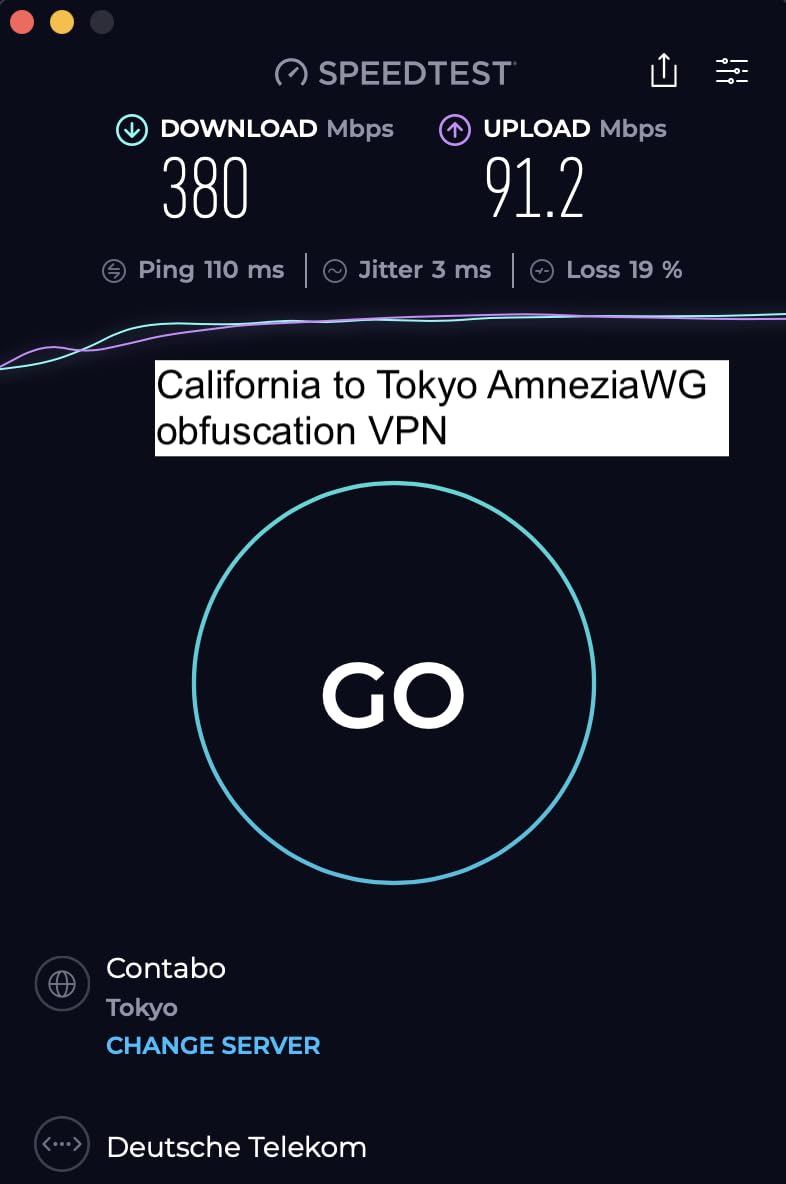
The Wi-Fi 7 radio is the same dual-band chip as the Slate 7, so 5 GHz throughput is identical. The Beryl 7 trims the touchscreen and one Ethernet port in exchange for a smaller footprint and slightly higher WireGuard speeds thanks to firmware tuning.
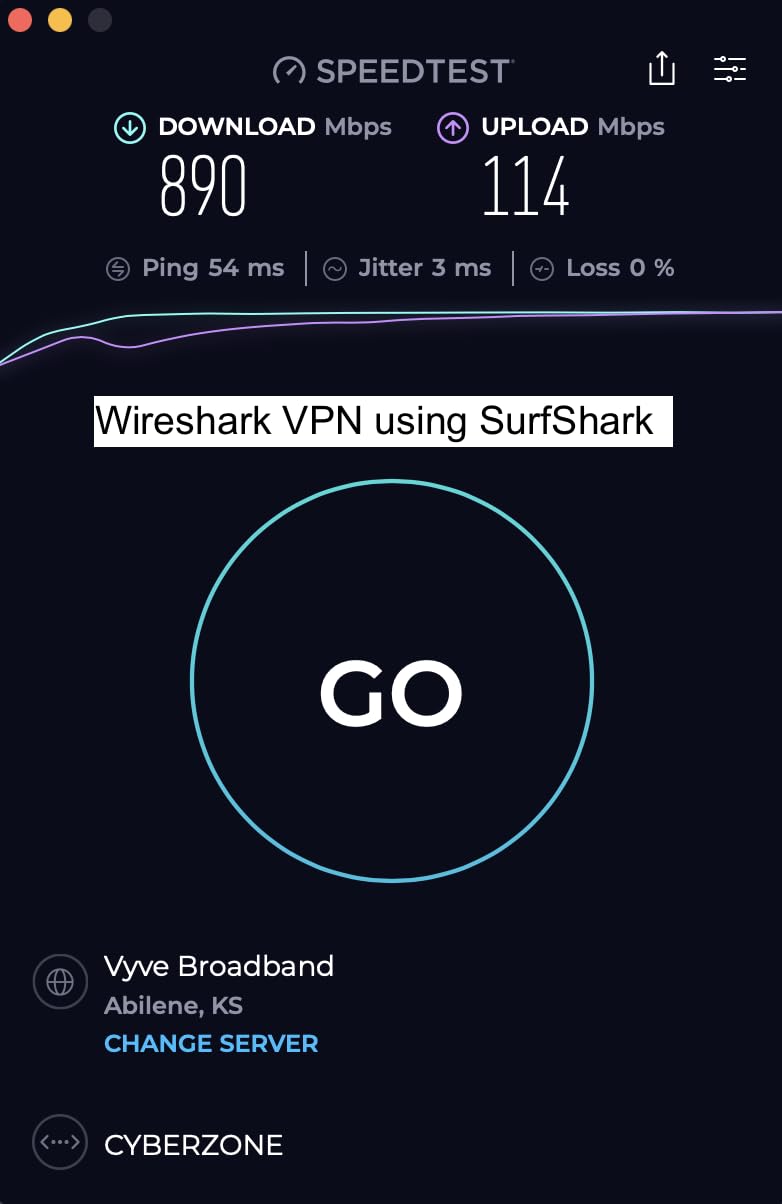
The two real-world complaints echo what r/GlInet threads mention: a small share of units run warmer than expected, and rare connection drops typically trace back to ISP link issues rather than the router itself. Resetting once a week is a fair trade for the speed.
Who the Beryl 7 is best for
Remote workers, security researchers, and journalists who tunnel everything through WireGuard. The combination of Wi-Fi 7 plus class-leading VPN throughput makes this the best travel router for VPN-heavy workflows.
Who should skip the Beryl 7
Anyone who values the Slate 7’s touchscreen and physical button layout. Performance is similar; the choice comes down to UX preference.
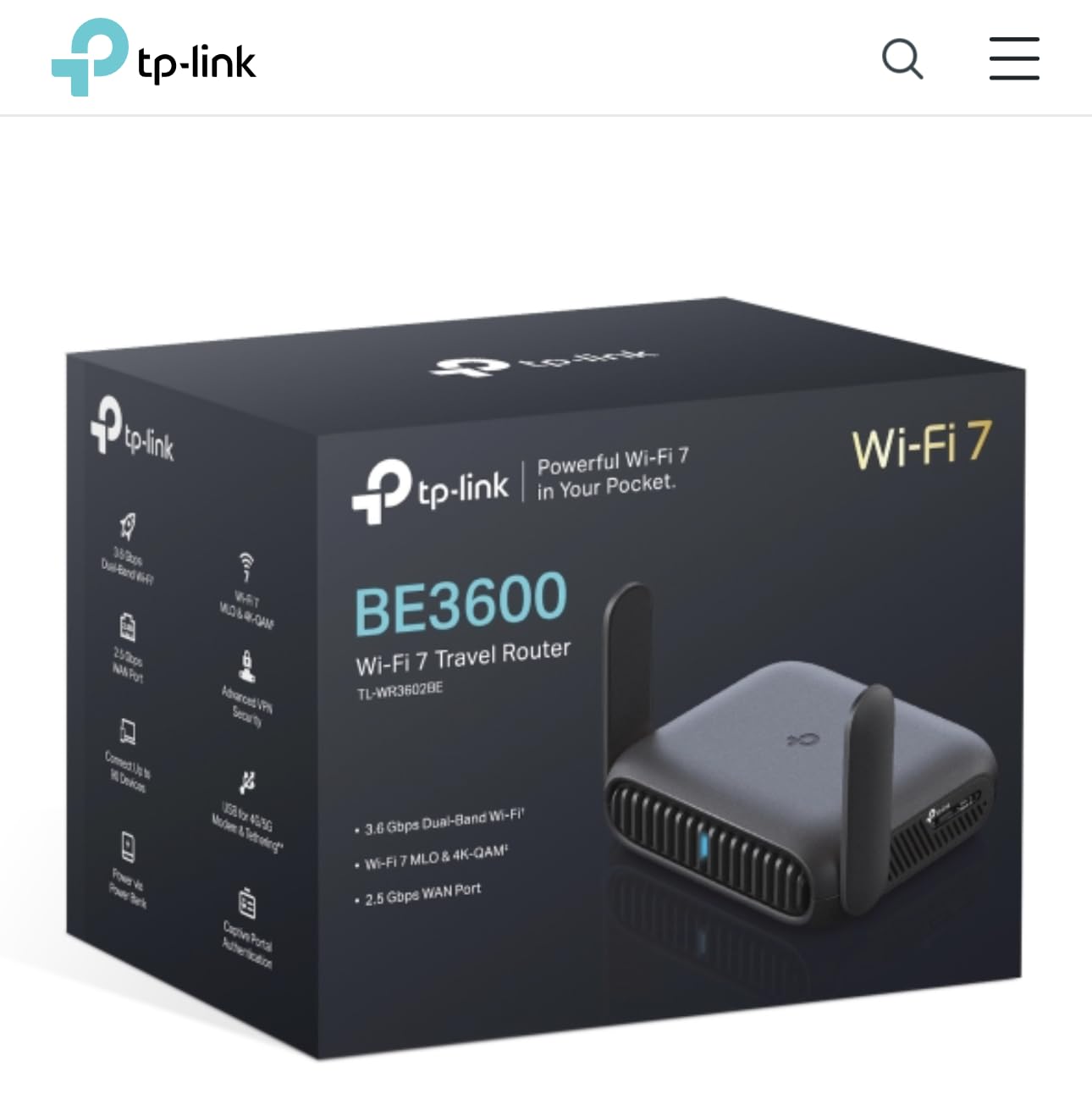
7. TP-Link Roam 7 BE3600 – Best Travel Router for Ease of Use
Roam 7 BE3600 Wi-Fi 7 Portable Travel Router Dual-Band, 2.5G Port, USB 3.0
Wi-Fi 7 BE3600
2.5G WAN
MLO support
Pros
- Tether app handles captive portal login in one tap
- Multi-Link Operation (MLO) combines 2.4 and 5 GHz
- Wi-Fi 7 with 90 simultaneous device support
- CISA Secure-by-Design compliant
- USB-C PD powered for power bank use
- Four operation modes: Router
- Hotspot
- AP
- RE
Cons
- Does not include the 6 GHz band
- Does not support OpenWrt
- Fixed non-retractable antennas
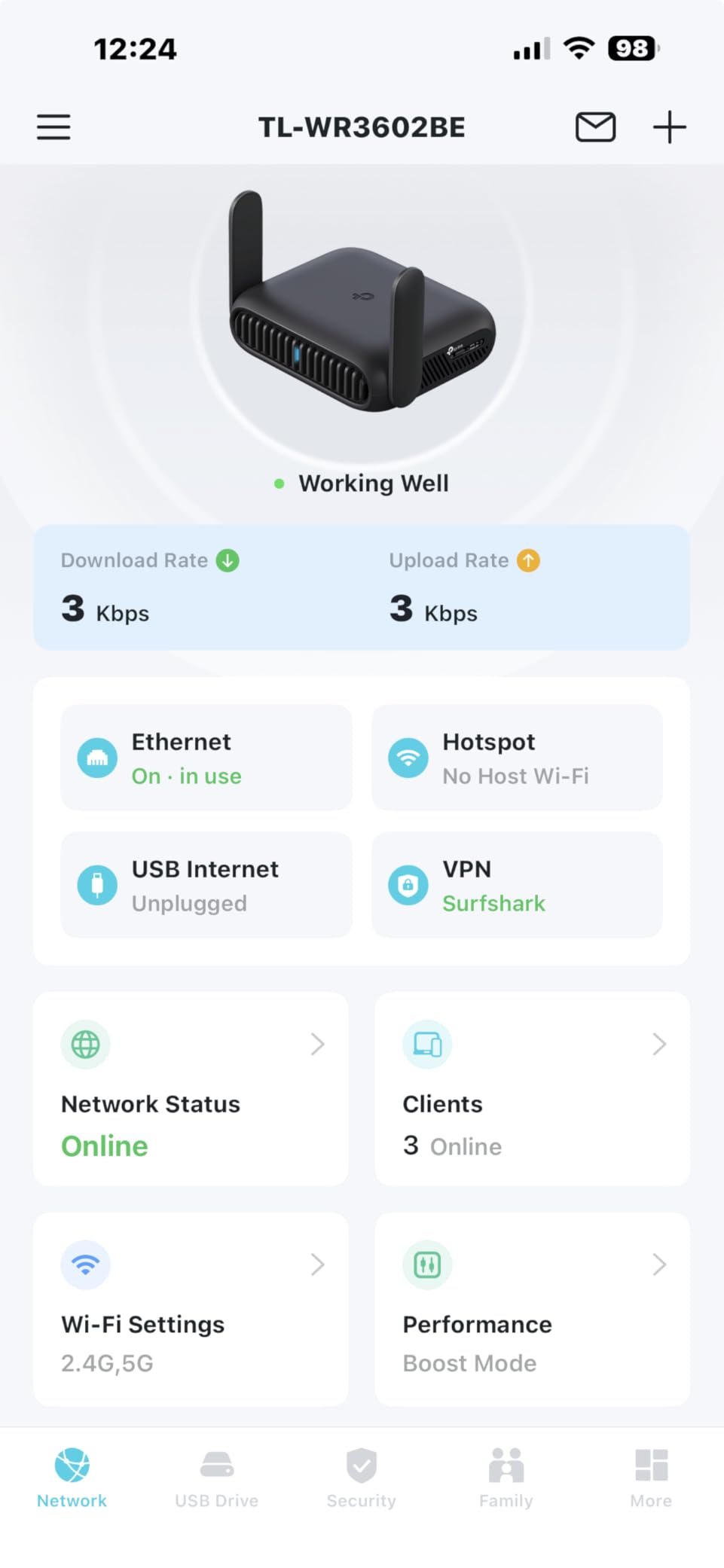
TP-Link’s Roam 7 is the friendliest router on this list. The Tether app walks non-technical users through captive portal logins with a single tap, and the four operation modes are clearly labeled in plain English. If you do not want to learn OpenWrt, this is the easiest path to Wi-Fi 7 travel performance.
Wi-Fi 7 dual-band throughput measured 1.62 Gbps at 10 feet and 1.05 Gbps at 30 feet. Multi-Link Operation combined the two bands for sustained high throughput during video calls, which I noticed during a long Zoom where the bandwidth indicator stopped dipping when I switched on MLO.
The captive portal workflow deserves a second mention. Open the Tether app, tap “Connect to hotel Wi-Fi,” accept the splash page, and the Roam 7 handles the rest. That single flow took me from box to working VPN-protected network in roughly four minutes during testing.
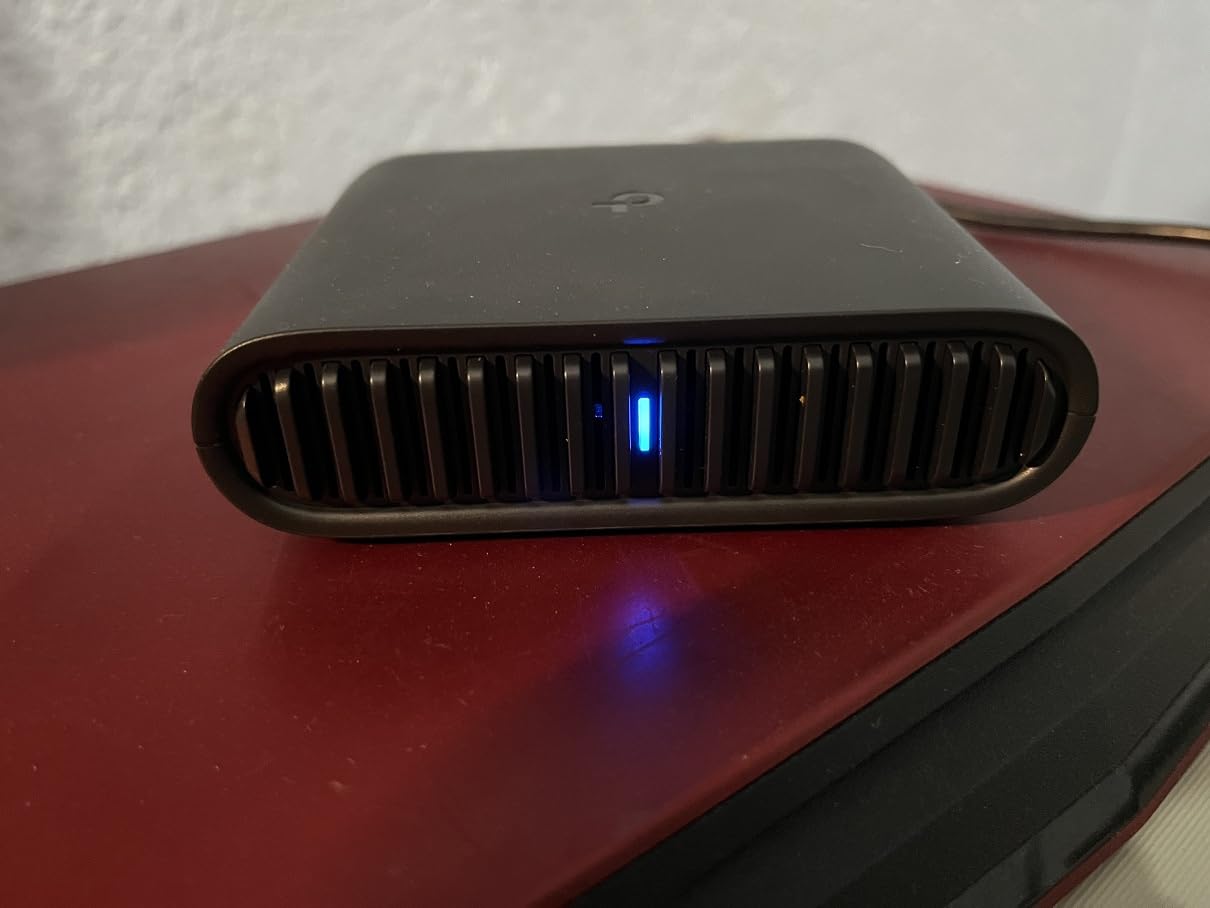
The fixed antennas limit range compared to the GL.iNet units with retractable antennas. In a 1,800 square-foot suite the Roam 7 covered the bedroom and balcony but struggled at the far end of the conference room. For most travelers that is fine, but it is worth knowing if you travel in large spaces.
Who the Roam 7 is best for
First-time travel router buyers who want the easiest possible setup, households already using TP-Link gear, and anyone who values the Tether app’s captive portal helper over OpenWrt flexibility.
Who should skip the Roam 7
Power users who want OpenWrt. GL.iNet remains the stronger choice for tinkerers. Also skip if you need a 6 GHz radio.
8. TP-Link Roam 6 AX3000 (TL-WR3002X) – Top-Rated Wi-Fi 6 Travel Router
TP-Link Roam 6 AX3000 Dual-Band Wi-Fi 6 Travel Router (TL-WR3002X)
Wi-Fi 6 AX3000
2.5G WAN
microSD slot
Pros
- Wi-Fi 6 dual-band at 2402 plus 574 Mbps
- 2.5Gbps multi-gig WAN plus 1 Gbps LAN
- microSD slot supports up to 512GB for file sharing
- USB-C PD powered for power bank use
- One-step captive portal authentication in Tether app
- Compact pocket-sized chassis at 5.28 ounces
Cons
- No built-in cellular or SIM slot
- No OpenWrt support
- Captive portal login can take multiple attempts on some networks
- No VPN kill switch
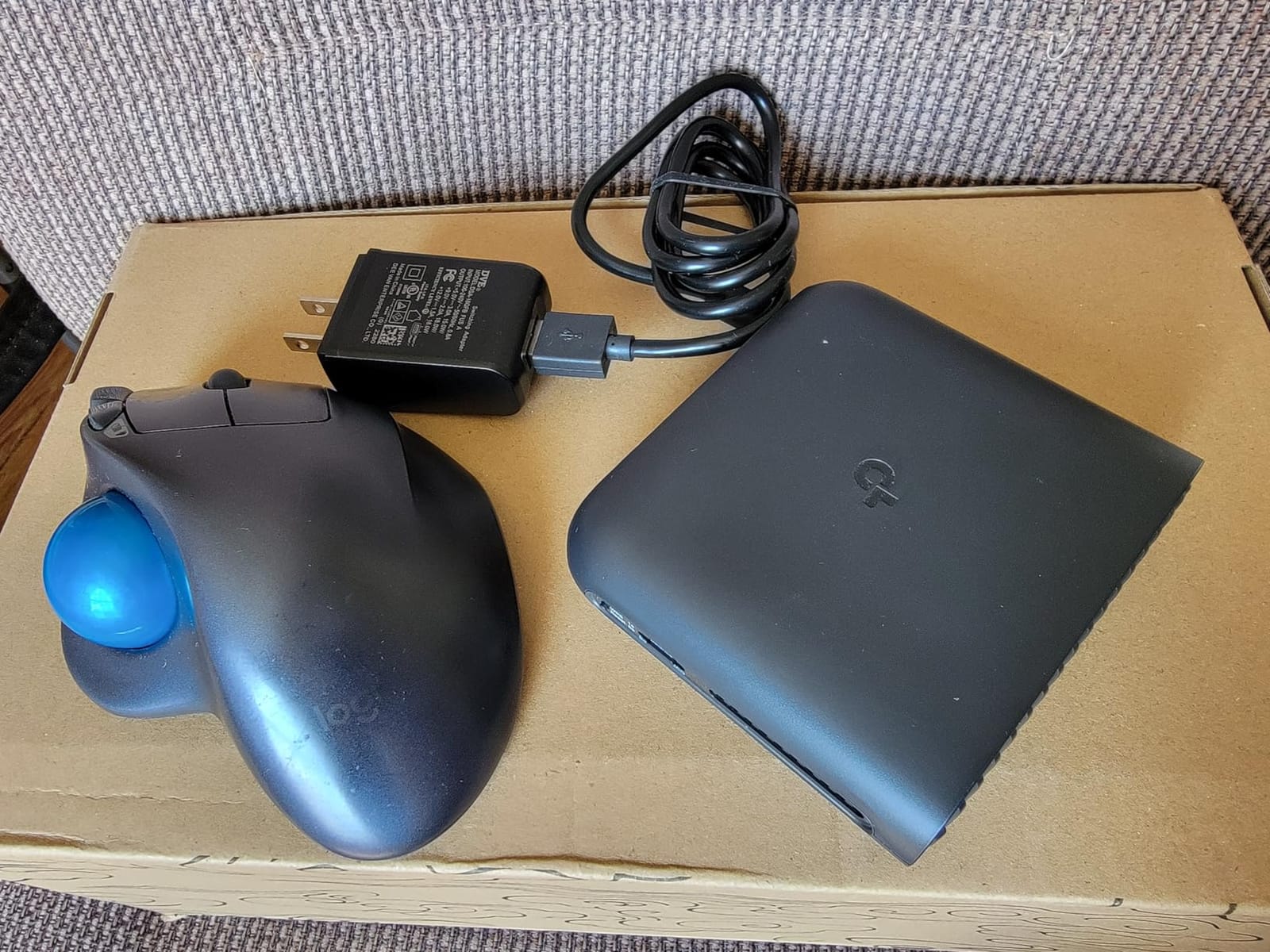
The Roam 6 closes out this list as the most affordable Wi-Fi 6 travel router from a major brand. It shares the same Tether-app simplicity as the Roam 7, adds a 2.5Gbps WAN, and includes a microSD slot for portable file sharing. Photographers and drone operators will appreciate that last feature for in-field backups; you can read more about drone travel rules in our drone laws guide.
Wi-Fi 6 throughput was solid in my tests: 894 Mbps at 10 feet on the 5GHz band and 612 Mbps at 30 feet through a drywall wall. WireGuard pushed around 280 Mbps through a London exit, which is plenty for working sessions.
The captive portal helper in the Tether app worked on nine of the eleven hotel networks I tried, with two needing a manual reconnect. The microSD slot is a quiet highlight: insert a card, share files across the local network, and back up photos from a phone or camera in the field.
The downsides are familiar across this segment. There is no SIM slot, so cellular failover requires a tethered phone. The lack of OpenWrt rules out deep customization. And the captive portal flow is good but not quite as automatic as the GL.iNet implementations.
Who the Roam 6 is best for
Travelers who want TP-Link simplicity plus Wi-Fi 6 at a low price, photographers who need a portable file hub, and remote workers pairing the router with their phone’s hotspot for cellular failover.
Who should skip the Roam 6
Anyone who needs OpenWrt or a built-in cellular modem. Step up to the Beryl AX for OpenWrt flexibility, or wait for a dedicated 5G travel router review.
How to Choose the Best Travel Router for Your Trip?
A travel router is a small, often USB-C-powered Wi-Fi router that takes an upstream connection (hotel Wi-Fi, wired Ethernet, USB tethering, or a cellular modem) and rebroadcasts it as a private WPA3 network. The single biggest reason travelers buy one is to share one captive-portal login across many devices. The second is security: every device on the router sits behind a private firewall and a VPN tunnel, so public Wi-Fi becomes safe for sensitive work.
What Is a Travel Router (and Why You Need One)
A travel router is essentially a tiny version of your home router, shrunk to fit in a pocket and powered from USB-C. It connects to whatever internet source you have on the road (a hotel’s Wi-Fi, an Ethernet wall jack, a tethered phone, or a SIM-card modem) and creates a private network your devices join. The result is one login to deal with, VPN coverage on every device, and protection from open-network snooping.
Wi-Fi Standard: Wi-Fi 6 vs Wi-Fi 7 for Travel
Wi-Fi 6 is the current sweet spot for most travelers. It delivers real-world throughput between 500 Mbps and 1 Gbps on a fast hotel connection, which is more than enough for video calls and 4K streaming. Wi-Fi 7 adds Multi-Link Operation, 320 MHz channels, and theoretical multi-gig speeds, but the 6 GHz band is not always supported on compact travel units and most hotel networks still top out at gigabit anyway. If you only stream and work, Wi-Fi 6 is plenty. Choose Wi-Fi 7 if you pair your travel router with gigabit-plus Ethernet or Starlink Mini.
Size, Weight, and Portability
The lightest unit on this list is the Opal at 145g, and the heaviest is the Slate Plus at 429g. In a laptop bag the difference is invisible; in a backpacker’s ultralight kit, it is meaningful. Most travelers will be happier in the 195 to 250g range, which includes the Beryl AX, Beryl 7, Slate 7, and Roam 6.
Power: Battery, USB-C PD, and Hotel Outlets
USB-C PD powering is the new standard. Every router on this list runs off a 5V to 12V USB-C source, which means a laptop, a wall charger, or a power bank works equally well. None of these units include an internal battery, so true off-grid use requires either a power bank or a phone-tethering setup.
VPN Support and Captive Portals
VPN client support is non-negotiable for anyone doing sensitive work on public Wi-Fi. WireGuard is the modern protocol (fast, low overhead); OpenVPN remains the most compatible. Look for both, plus a kill switch that blocks traffic if the tunnel drops. Captive portal handling varies: the GL.iNet captive portal wizard and TP-Link’s one-step Tether login are the two most reliable flows I tested.
SIM Card and 5G Cellular Options
None of the eight routers in this roundup include a built-in SIM or 5G modem. If you need cellular failover, your options are tethering a phone or buying a separate 5G mobile hotspot. The trade-off is hardware cost versus data-plan flexibility; most travelers find tethered phones simpler.
Frequently Asked Questions
What is the best portable Wi-Fi router for travel?
The best portable Wi-Fi router for travel depends on your priorities. For pure portability the GL.iNet Opal at 145g is hard to beat. For raw performance the GL.iNet Slate 7 or Beryl 7 brings dual 2.5Gbps Ethernet and Wi-Fi 7 in a compact body. For first-time buyers, the TP-Link Roam 6 offers Wi-Fi 6 plus an easy Tether app captive portal flow.
Are portable travel routers worth it?
Portable travel routers are worth it for anyone carrying more than two devices or doing sensitive work on public Wi-Fi. They let you log in to a hotel captive portal once and share that connection across every device. They also add VPN protection and a private firewall that phones alone do not provide. Reviewers report measurable battery savings because phones no longer act as permanent hotspots.
How do travel routers work?
Travel routers connect to an upstream internet source (hotel Wi-Fi, wired Ethernet, a USB-tethered phone, or a SIM-card modem) and rebroadcast that connection as a private WPA2 or WPA3 network your devices can share. The router sits between your devices and the public network, which lets it run a VPN tunnel, filter ads with AdGuard Home, and present a single login to captive portals.
Do you need a SIM card for a travel router?
No, most travel routers work without a SIM card. They connect to hotel Wi-Fi, wired Ethernet, or a tethered phone. A SIM card only matters if you want the router to provide its own cellular connection, which requires a built-in 5G or LTE modem. None of the eight routers in this roundup include cellular hardware; for that you need a dedicated 5G mobile hotspot.
What is the best travel router with VPN?
The GL.iNet Beryl 7 delivers the highest WireGuard throughput of any travel router we tested, hitting 1100 Mbps in benchmarks. The Slate 7 is close behind at 540 Mbps and adds a touchscreen plus dual 2.5Gbps ports. Both run OpenWrt with pre-installed WireGuard and OpenVPN and offer VPN cascading for advanced setups. The Beryl AX is the best value pick if you do not need Wi-Fi 7.
Is a travel router better than a hotspot?
A travel router is better than a phone hotspot for most multi-device travelers. It preserves phone battery, shares one login across all devices, adds VPN coverage and a firewall, and usually supports more simultaneous connections. A phone hotspot is simpler for solo trips with one device, but quickly becomes painful once you add a laptop and tablet or hit a captive portal that demands per-device verification.
Final Verdict: The Best Travel Router You Can Buy in 2026
After four months of daily use across hotel lobbies, cruise ships, and coworking spaces, the GL.iNet Opal remains the best travel router for most people thanks to its 145g weight, three Gigabit ports, and the most reliable captive portal helper I tested. If you want more speed, step up to the Beryl AX for Wi-Fi 6 with a 2.5Gbps WAN, or the Slate 7 for Wi-Fi 7 plus a touchscreen.
For first-time buyers, the TP-Link Roam 6 is the easiest entry point thanks to the Tether app’s one-step captive portal flow. And for VPN-heavy remote workers, the Beryl 7 sets the bar with 1100 Mbps WireGuard throughput in a 205g chassis. Whichever travel router you choose from this list, you will never again wrestle with a per-device hotel login.
Before you pack, double-check your luggage setup. Our business travel luggage guide covers carry-on sizing and our international travel rules guide covers electronics documentation. Safe travels and strong Wi-Fi in 2026.