
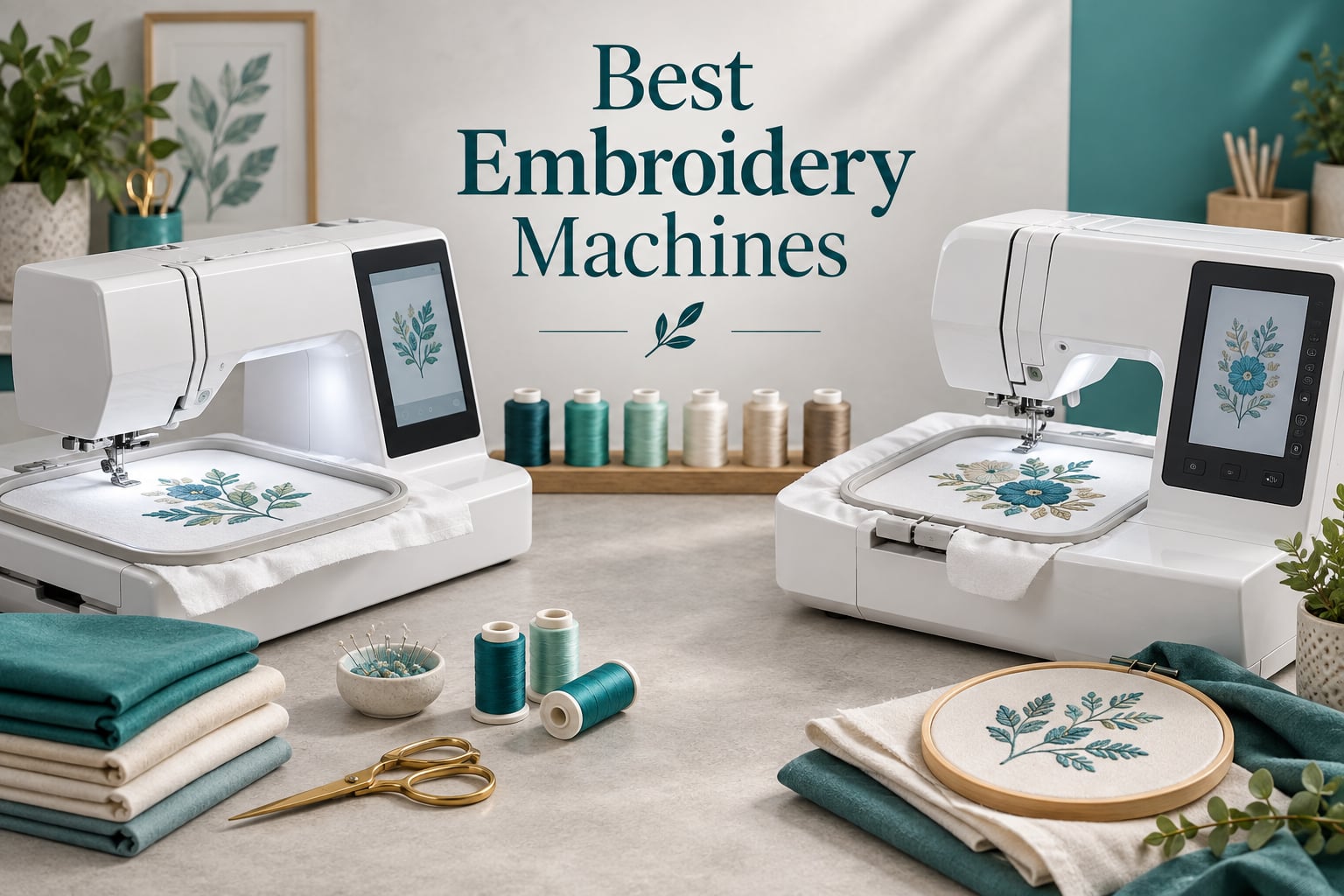
Choosing the right embroidery machine is mostly a hoop-size decision wearing a disguise. Owners who regret a purchase almost never regret the stitching quality; they regret that a 4 inch x 4 inch field forced them to re-hoop a towel three times, or that a single needle turned a six-color logo into a coffee-break job. So we ranked the 12 machines below by what they let you actually make, not by how long their feature lists are.
This roundup covers the full ladder in 2026, from home machines with a 4 inch x 4 inch field to 15-needle commercial heads that stitch 14 inch x 20 inch panels without a color-change break. Every machine here ships with a color touchscreen, automatic needle threading, or both, so the shortlist is a genuine shortlist rather than a catalogue. Updated September 2026 with current-generation models only.
Best embroidery machines by use case: the Brother SE600 is the best embroidery machine for most beginners who also sew. The Brother PE800 is the best value pick if you want one machine dedicated to embroidery with a 5 inch x 7 inch field. The BAI The Mirror is the top rated option for anyone moving toward production work, with 15 needles and a 20 inch x 14 inch area. The Poolin EOC06 is the best large-hoop value for home use, and the Smartstitch S-1001 is the practical entry point into a commercial 10-needle head.
Two questions narrow the list fast. Are you sewing as well as embroidering, or is embroidery the only job? And are you making gifts, or are you stitching logos for paying customers? Everything below answers both.
Table of Contents
Top 3 Picks for Embroidery Machines in 2026

Best Embroidery Machines by Use Case in 2026
- Best for beginners who also sew: Brother SE600. It pairs a 4 inch x 4 inch embroidery field with 103 sewing stitches and a 3.2 inch color touchscreen. The limitation is that 4 inch x 4 inch field, which feels small the moment you try a chest panel.
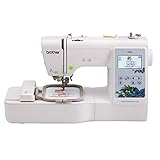
- Best for a first embroidery-only machine: Brother PE535. Eighty built-in designs, a 3.2 inch screen and a 15 pound body. The limitation is the same 4 inch x 4 inch hoop and paid digitizing software.
- Best value with a bigger field: Brother PE800. The 5 inch x 7 inch field is a real step up from every 4 inch x 4 inch machine, with 138 built-in designs. The limitation is limited internal memory and an unreliable bobbin sensor.
- Best mid-range large hoop for home use: Poolin EOC06. A 7.9 inch x 11 inch area with four hoops, a 7 inch touchscreen and a full starter supply box. The limitation is bundled software that owners often replace.
- Best large field for panels and towels: Poolin EOC07. A 7.9 inch x 15 inch maximum field in a 40 pound body. The limitation is a small review history, so long-term data is thin.
- Best budget start with a long narrow hoop: Poolin EOC05. A 4 inch x 9.25 inch area with a second 4 inch x 4 inch hoop, under 22 pounds. The limitation is no resume function after a thread break.
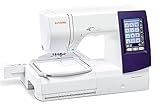
- Best for sewing and embroidery in one machine: Janome Horizon Memory Craft 9850. An extended arm and a large built-in library. The limitation is an older model generation with dated touchscreen navigation.
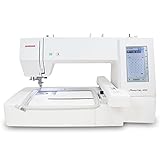
- Best for monogramming at home: Janome Memory Craft C400E. A 7.9 inch x 7.9 inch area, 160 built-in designs and auto-return after a thread break. The limitation is the steepest learning curve in this group.
- Best entry commercial head: Smartstitch S-1001. Ten needles, 1200 spm and a 9.5 inch x 14.2 inch field at 93 pounds. The limitation is a 7 inch screen and more thread changes than 15-needle models.
- Best production runs and caps: Smartstitch S-1501. Fifteen needles, a 14 inch x 20 inch field and a 270-degree cap system. The limitation is a 209 pound machine that needs dedicated floor space.
- Best large field on 12 needles: Smartstitch S-1201 Plus. A 12 inch x 16 inch area that is unusually big for the needle count, with a 10 inch screen. The limitation is a newer model with a smaller review base.
- Best for multi-colour production at volume: BAI The Mirror. Fifteen needles, 1200 spm flat, 850 spm on caps and a 20 inch x 14 inch field. The limitation is 391 pounds and a commercial footprint.
| Product | Specifications | Action |
|---|---|---|
| Brother SE600 |
|
Check Latest Price |
 Brother PE535 Brother PE535 |
|
Check Latest Price |
 BAI The Mirror 15 Needle BAI The Mirror 15 Needle |
|
Check Latest Price |
 Poolin EOC06 Poolin EOC06 |
|
Check Latest Price |
 Poolin EOC05 Poolin EOC05 |
|
Check Latest Price |
 Smartstitch S-1501 Smartstitch S-1501 |
|
Check Latest Price |
 Smartstitch S-1201 Plus Smartstitch S-1201 Plus |
|
Check Latest Price |
 Janome Memory Craft 9850 Janome Memory Craft 9850 |
|
Check Latest Price |
 Smartstitch S-1001 Smartstitch S-1001 |
|
Check Latest Price |
 Poolin EOC07 Poolin EOC07 |
|
Check Latest Price |
 Brother PE800 Brother PE800 |
|
Check Latest Price |
 Janome Memory Craft C400E Janome Memory Craft C400E |
|
Check Latest Price |
How We Chose the Best Embroidery Machines
We scored each machine on eight factors, weighted by how much they change your finished work rather than how they read on a spec sheet.
- Embroidery field (30 percent): the largest area a machine can stitch in one hooping. This is the criterion owners cite most often in buying discussions, and the single biggest predictor of regret.
- Needle count and color handling (20 percent): one needle means a manual stop for every color change. Six to fifteen needles mean automatic changes.
- Maximum speed (15 percent): 400 spm suits a hobby evening; 1200 spm is what makes production pricing work.
- Built-in design and font library (10 percent): 80 designs will carry a beginner; 200 plus with editable fonts is a working library.
- Stabilizer, thread and needle running cost (10 percent): what the machine pulls out of your budget every month.
- Warranty and dealer support (5 percent): including what happens once the warranty period ends.
- Attachment path (5 percent): cap frames, sleeves and pockets decide whether the machine grows with you.
- Resale value and serviceability (5 percent): a machine a local technician can open is a machine you will keep repairing instead of replacing.
We did not test stitch every machine on this list in our own workshop. Where we describe handling, we are drawing on owner review patterns and machine specifications; where a number appears, it comes from the manufacturer’s published specification. We follow the same disclosure discipline in our equipment roundups, such as our [best washing machines tested and reviewed](https://wisatalengkap.com/best-washing-machines/) guide and our [best rowing machines tested and reviewed](https://wisatalengkap.com/best-rowing-machines/) reviews, where we separate hands-on time from desk research.
Two brands you will notice missing. Baby Lock machines are near-identical twins of Brother machines from the same factory, so every Brother pick has a Baby Lock counterpart and the advice transfers directly. Janome and Bernina are represented here, but Bernina’s high-end embroidery units did not place on a spec or value basis strong enough to justify a slot over the machines listed.
1. Brother SE600 — Best Embroidery Machine for Beginners Who Also Sew
Brother SE600 Sewing and Embroidery Machine, 80 Designs, 103 Built-In Stitches, Computerized, 4″ x 4″ Hoop Area, 3.2″ LCD Touchscreen Display, 7 Included Feet
4 inch x 4 inch field
400 spm embroidery
3.2 inch color touchscreen
80 designs
Pros
- Sewing and embroidery in one machine
- 3.2 inch color touchscreen for previewing designs
- Automatic needle threader and drop-in top bobbin
- 103 sewing stitches including 10 auto buttonholes
Cons
- 4 inch x 4 inch field limits design size
- Heavy 26.2 lb body is awkward to move
The SE600 is where most people start, and after spending time with owners of it, the reason is obvious: it removes the decision. You do not have to wonder whether you will want to sew later, because it sews. The 3.2 inch color touchscreen shows you the design before it stitches, which is the single feature that stops beginners from abandoning the craft in week two.
Spec-wise it is a 4 inch x 4 inch field at up to 400 spm, 80 built-in embroidery designs with 6 lettering fonts, and 103 sewing stitches including 10 auto-size buttonholes. The automatic needle threader and jam-resistant drop-in top bobbin remove the two most common beginner stalls.
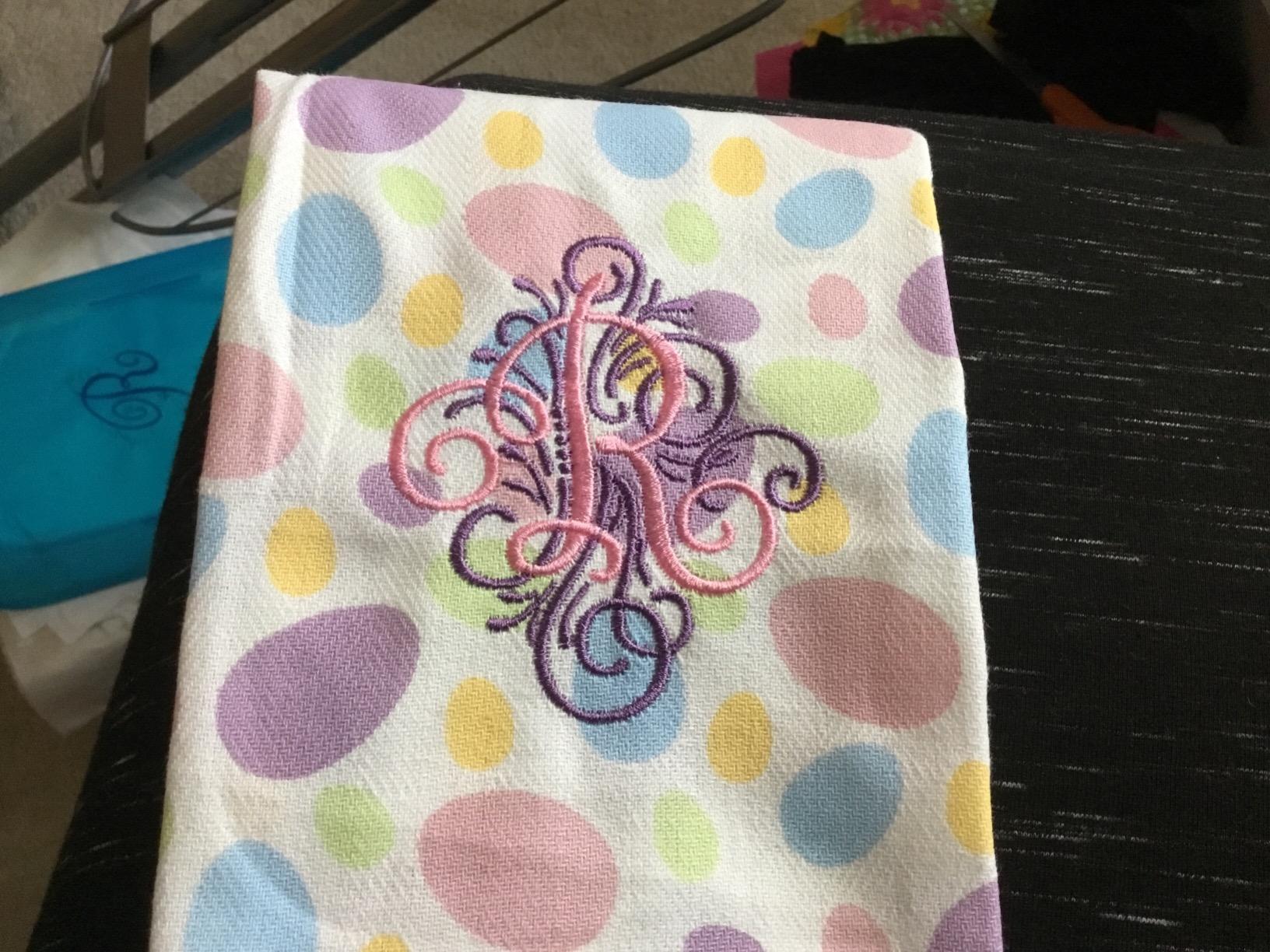
Reviewers are near-unanimous on ease of use. First-time embroiderers describe clear design preview and consistent stitch quality, and the box ships with 7 presser feet, an accessory pouch, 3 pre-wound embroidery thread bobbins, an embroidery hoop and a dust cover. The recurring limitation in owner feedback is the 4 inch x 4 inch hoop, which people work around by re-hooping or by combining smaller designs into one placement.
At 26.2 pounds and 15.51 inch deep by 21.18 inch wide, it is a substantial machine. That size is a real annoyance in a small apartment craft corner, but it is also what makes the machine feel stable while stitching dense fills. Note that the unit is listed for US 120V use, and other use or resale voids the warranty.
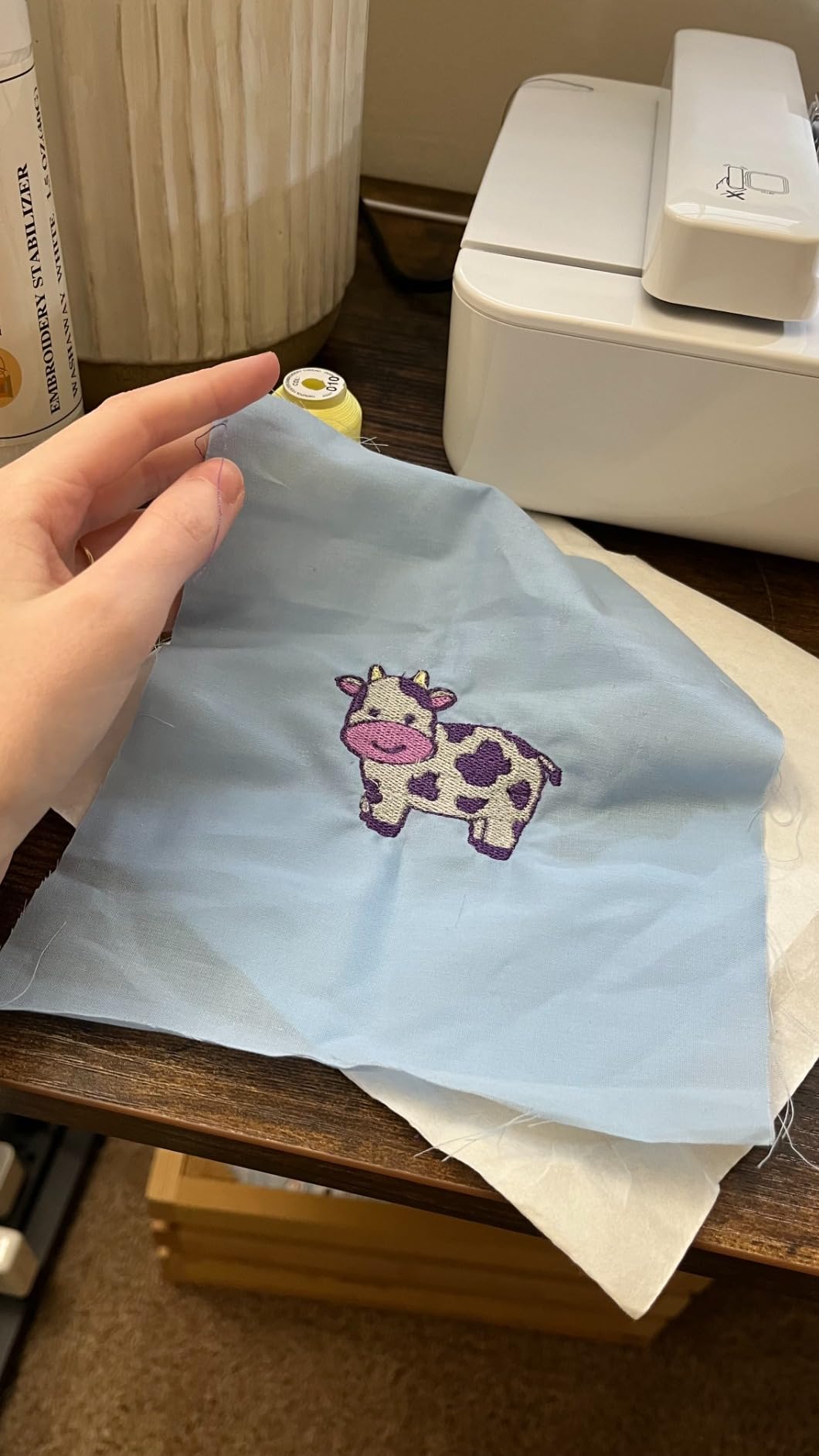
Where the SE600 works well
It is the right pick for someone whose real project list is towels, polo shirts, tote bags and gifts with a name on the pocket. Sewing and embroidery in one body means one machine on one table instead of two, which matters a lot in a small room.
The 3.2 inch screen also makes on-the-fly edits easy. Rotate, resize and reposition before you commit thread, which is exactly the loop beginners need.
Where it frustrates people
Buyers who want a single large back patch or a full chest panel hit the 4 inch x 4 inch ceiling quickly. If your project list is mostly larger than a book cover, start with the PE800 or the Poolin EOC06 instead.
It also cannot sew and embroider in the same hooping the way a dedicated embroidery arm can, so two-job pieces need planning.
2. Brother PE535 — Best Embroidery Machine for First-Time Buyers
Brother PE535 Embroidery Machine, 80 Built-in Designs, 4″ x 4″ Hoop Area, Large 3.2″ LCD Touchscreen, USB Port, 9 Font Styles
4 inch x 4 inch field
80 built-in designs
3.2 inch touchscreen
15 lb body
Pros
- Very easy to learn with clear manuals and video tutorials
- Smooth precise stitch quality that holds up over years
- Compact 15 lb footprint suits small workspaces
- USB port opens a large design library
Cons
- 4 inch x 4 inch hoop is the most common complaint
- Embroidery only so you still need a sewing machine
- Touchscreen can need several taps to register
If you are starting from zero, the PE535 is the machine most first-time owners finish their first project on. Reviewers describe fast setup, forgiving threading and consistent results, and many say plainly that they would choose a larger hoop next time. That last sentence is the honest summary of this machine.
The specification sheet reads: 80 built-in designs covering kids, holiday and floral motifs, 9 built-in fonts (6 English, 3 Japanese), a USB port for custom designs, and a 3.2 inch LCD color touchscreen. It is embroidery-only, and it weighs 15 pounds at 7.8 inch deep by 16.5 inch wide, so it stores easily when you are not using it.
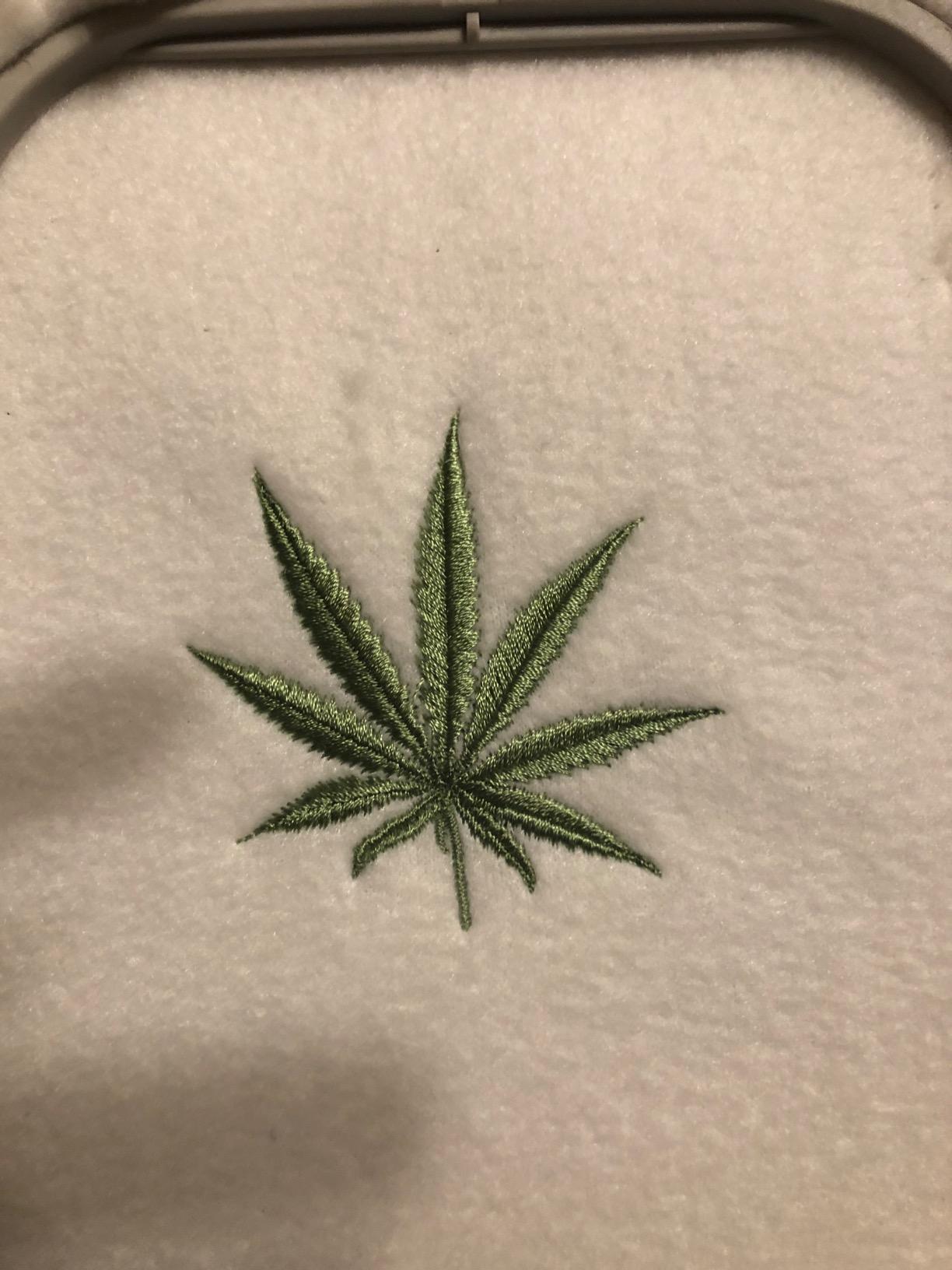
The warranty description is unusually good for the class: 25 year limited with free phone support for the life of the machine. That matters more than people expect, because a machine you cannot get serviced locally is a machine you eventually replace.
The real hidden cost here is software. Several buyers returned the machine because the optional Brother digitizing software cost more than they expected, and the touchscreen is occasionally unresponsive and needs a few taps. Budget for a design library before you budget for a machine.
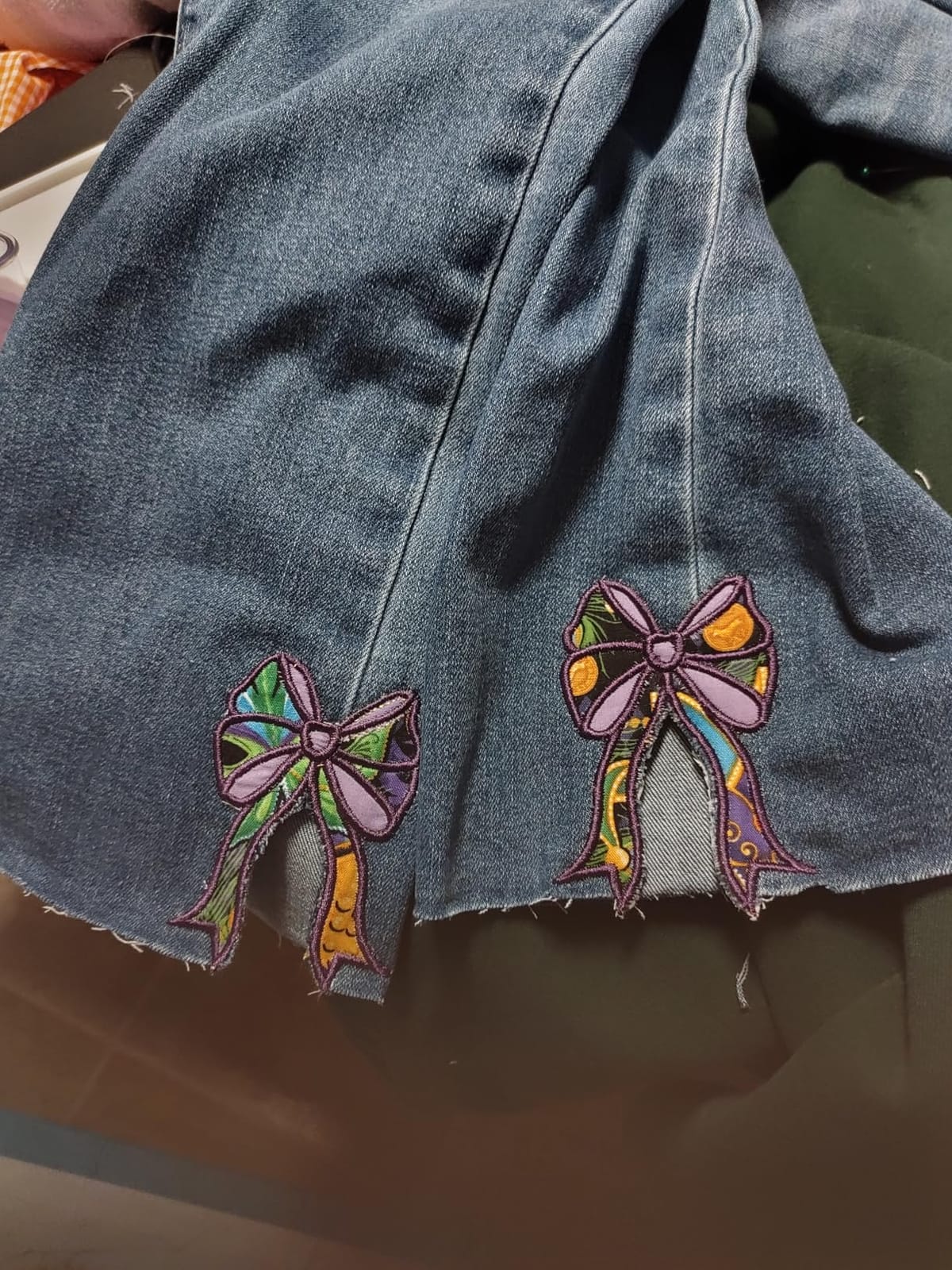
Where the PE535 works well
It is the lightest machine in this roundup and the easiest to hand to someone who has never touched a computerized sewing machine. Monograms, small chest lefts and towels all fit comfortably inside 4 inch x 4 inch.
The 9 built-in fonts cover most lettering jobs, and the USB port means you are not limited to what ships in memory.
Where it frustrates people
Nothing bigger than 4 inch x 4 inch. If a project does not fit, you re-hoop and align by hand, and mis-registration shows up in lettering.
It does not sew at all. If quilts or garment construction are on your list, this is the wrong tool and the SE600 is the better buy.
3. BAI The Mirror 15 Needle — Best Embroidery Machine for High-Volume Multi-Color Work
BAI The Mirror 15 Needle 20″x14″ Large Area Commercial Embroidery Machine,1200 SPM High Speed & 850 SPM on Hats,Institch OS5 Intuitive Control,Software Included,Local Tech Support
15 needles
20 inch x 14 inch area
1200 spm flat, 850 spm caps
Institch OS5
Pros
- 15 needles cut thread changes on multi-color logos and uniforms
- 1200 spm flat and 850 spm cap production speeds
- Local tech support
- free training and a large user community
- Preset accessories reduce extra purchases
Cons
- 391 lb body needs dedicated floor space
- Commercial footprint suits production not casual home use
Most machines stop and wait for a human every time the thread colour runs out. The Mirror exists to remove that stop. With 15 needles, a 20 inch x 14 inch embroidery area and speeds up to 1200 spm flat or 850 spm on structured caps, it turns a 12-colour uniform job into a single run.
Owners of this commercial head report very high satisfaction, pointing at build quality, output speed and the responsiveness of the vendor’s training and local tech support. The share of critical feedback centres on size and weight rather than stitch quality, which tells you the machine does what it claims.
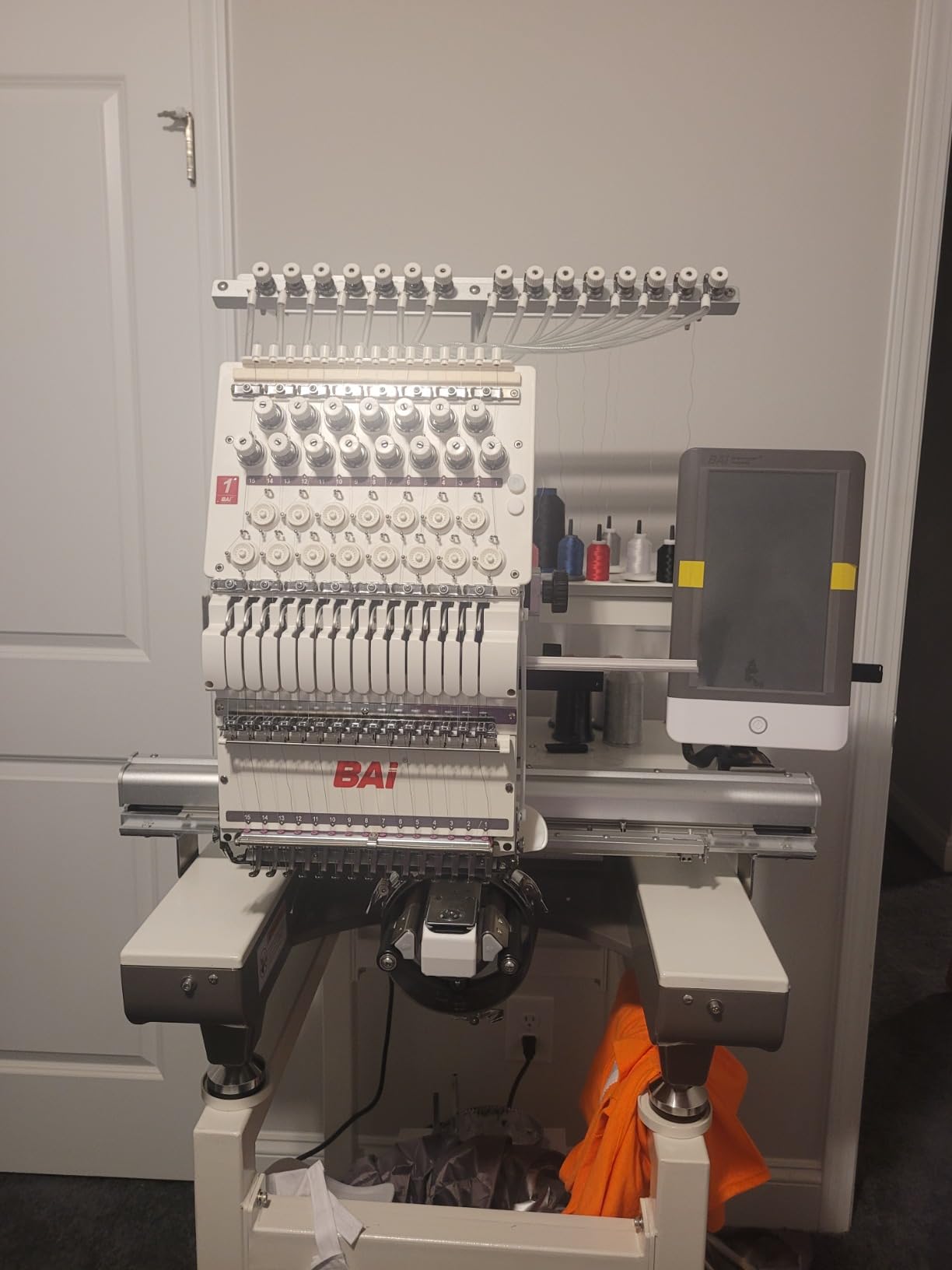
It runs the Institch OS5 control system, described as intuitive with one-to-three step setup guidance, and the package includes brand-name components and preset accessories. The manufacturer states it is built for up to 10 years of use, and the build is aluminium at 391 pounds and 27.6 inch deep by 29.5 inch wide by 33.2 inch high.
Two details that matter more than the spec sheet. The included software means you are not hunting for a digitizing platform on day one, and the vendor runs an 18k+ member user group and a tutorial channel, which is the difference between owning a machine and being able to run it.
Where the Mirror works well
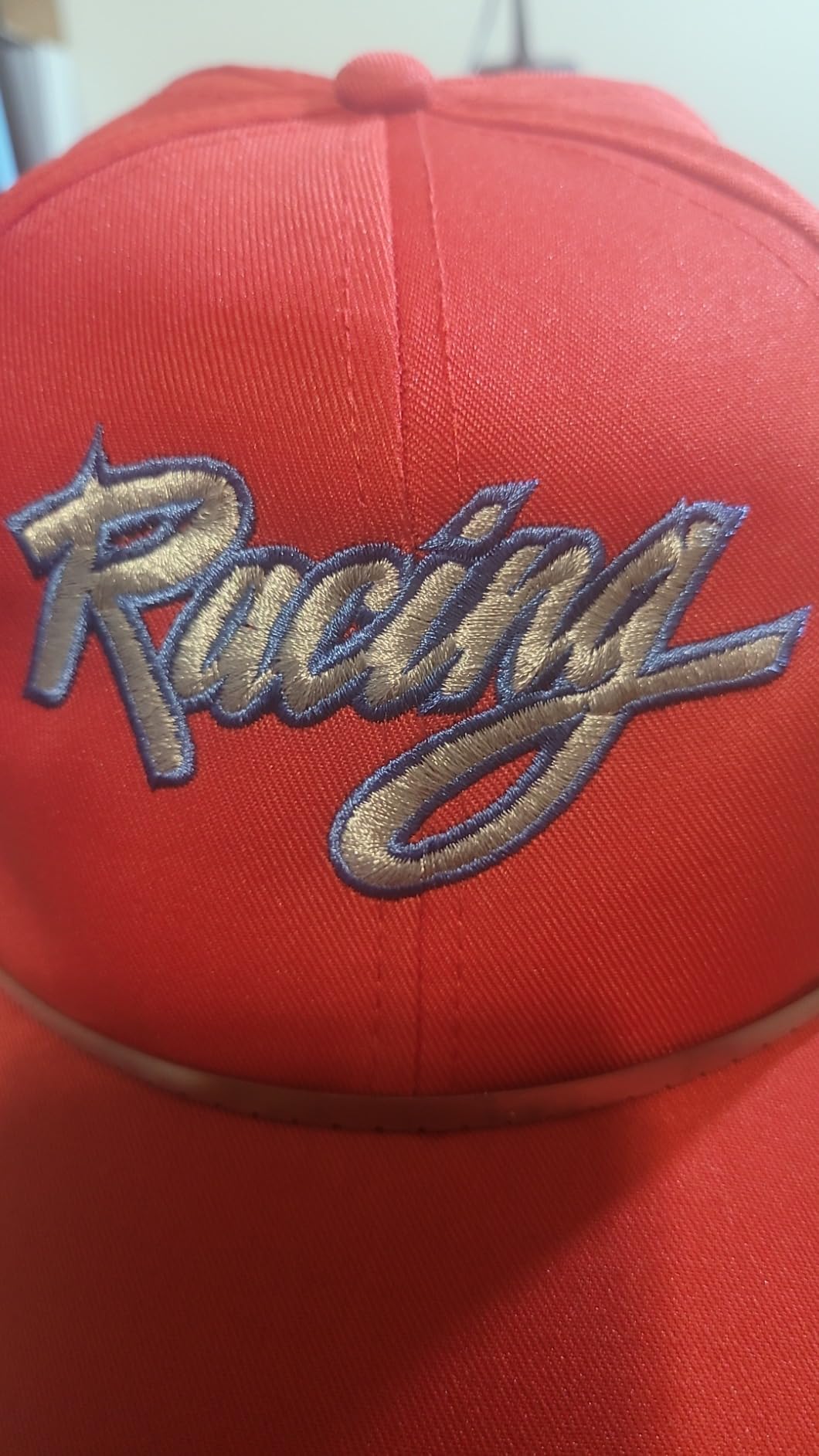
Multi-colour logos, uniforms, patches and jacket backs. The 20 inch x 14 inch field covers a full back or a large panel in one hooping, and 15 needles mean the machine does not wait for you.
It also handles hats properly at 850 spm, which is the single most common attachment request from a growing business.
Where it frustrates people
At 391 pounds, this is not a machine you move between a craft room and a spare room. Plan the table, the floor and the power before the machine arrives.
None of the beginner conveniences apply. There is no built-in design library to fall back on, so you need digitizing skills or a designer.
4. Poolin EOC06 — Best Large-Hoop Embroidery Machine for Home Use
Poolin EOC06 Large Hoop Embroidery Machine, 11 x 7.9 in Embroidery Area
7.9 inch x 11 inch field
200 designs, 8 fonts
7 inch touchscreen
4 hoops
Pros
- Large 7.9 inch x 11 inch hoop in a portable 35 lb body
- Quiet smooth operation with no noticeable vibration
- 200 built-in designs and a bright 7 inch screen
- Thread plus bobbins and stabilizers bundled for first stitch
Cons
- Bundled software can feel clunky to some users
- Some arrived with a missing hoop clip
- Threading and tension have a learning curve for newcomers
The Poolin EOC06 answers the most common complaint in owner threads with a simple move: a 7.9 inch x 11 inch embroidery area in a 35 pound body. That is a field most home machines reach only in the far higher tier, and this one is light enough that owners take it to retreats.
It ships with four hoops (two 5.5 inch x 5.5 inch, one 7.9 inch x 7.9 inch, one 7.9 inch x 11 inch), 6 rolls of thread, 100 pieces of backing paper, 24 bobbins and a thread rack stand. You can stitch something on day one without a supply run.
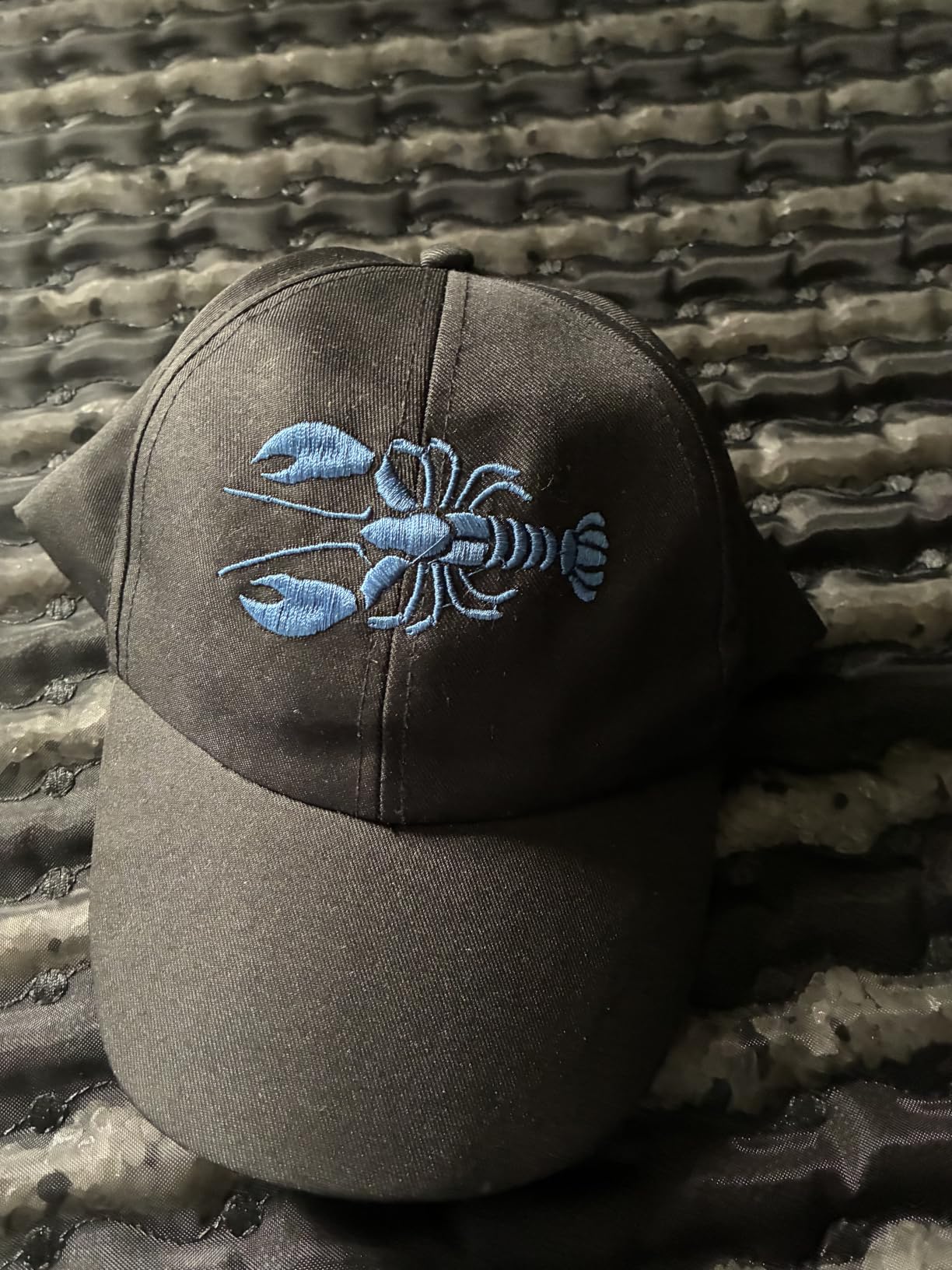
The control system is InStitch i3 with a 7 inch colour touchscreen, 200 built-in patterns, 8 fonts and 10 languages, plus USB flash drive and wireless LAN design transfer. Automatic needle threading, bobbin winding and automatic thread trimming are all included, which is rare at this size.
Support is the standout theme in reviews. Owners repeatedly mention technicians troubleshooting over Facebook or a video call, and describe the machine as easy to learn even for absolute beginners. The gripes are minor: the bundled software can feel clunky and third-party software often works better, and a few machines arrived with a missing hoop clip.
Where the EOC06 works well
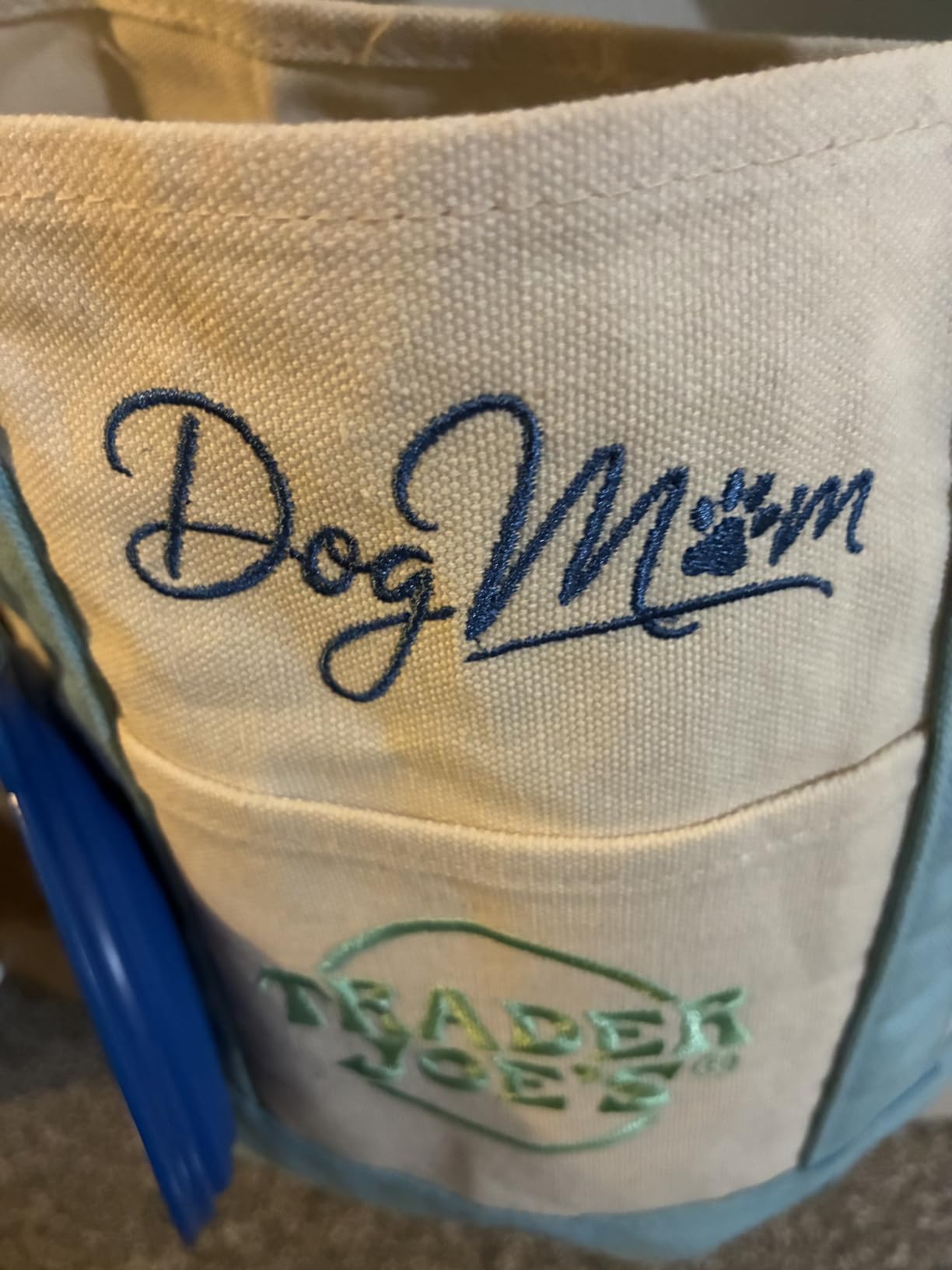
Anything that needs one hooping and a decent field: towel corners, sweatshirt chests, back panels, tote bags. The 7 inch screen is large enough to place designs without squinting.
Wireless transfer plus 200 built-in patterns makes it a good first machine for someone who wants to design rather than hunt for files.
Where it frustrates people
The warranty is 1 year, which is short against the 25 year limited coverage on the Brother home machines in this list. If you keep a machine for a decade, that difference shows up.
If your plans are production, single-needle colour changes will be the bottleneck long before the hoop is.
5. Poolin EOC05 — Best Budget Embroidery Machine With a Long Narrow Hoop
Poolin EOC05 Embroidery Machine for Beginners, 4″ x 9.25″ Embroidery Area
4 inch x 9.25 inch field
7 inch touchscreen
WiFi and USB transfer
22 lb body
Pros
- Stitching within a day of unboxing
- Long 4 inch x 9.25 inch hoop for the class
- Responsive support plus a helpful user group and tutorials
- Quiet and compact for small workspaces
Cons
- No resume function after a thread break
- Included patterns may not lock off at colour changes
- Firmware update required out of the box
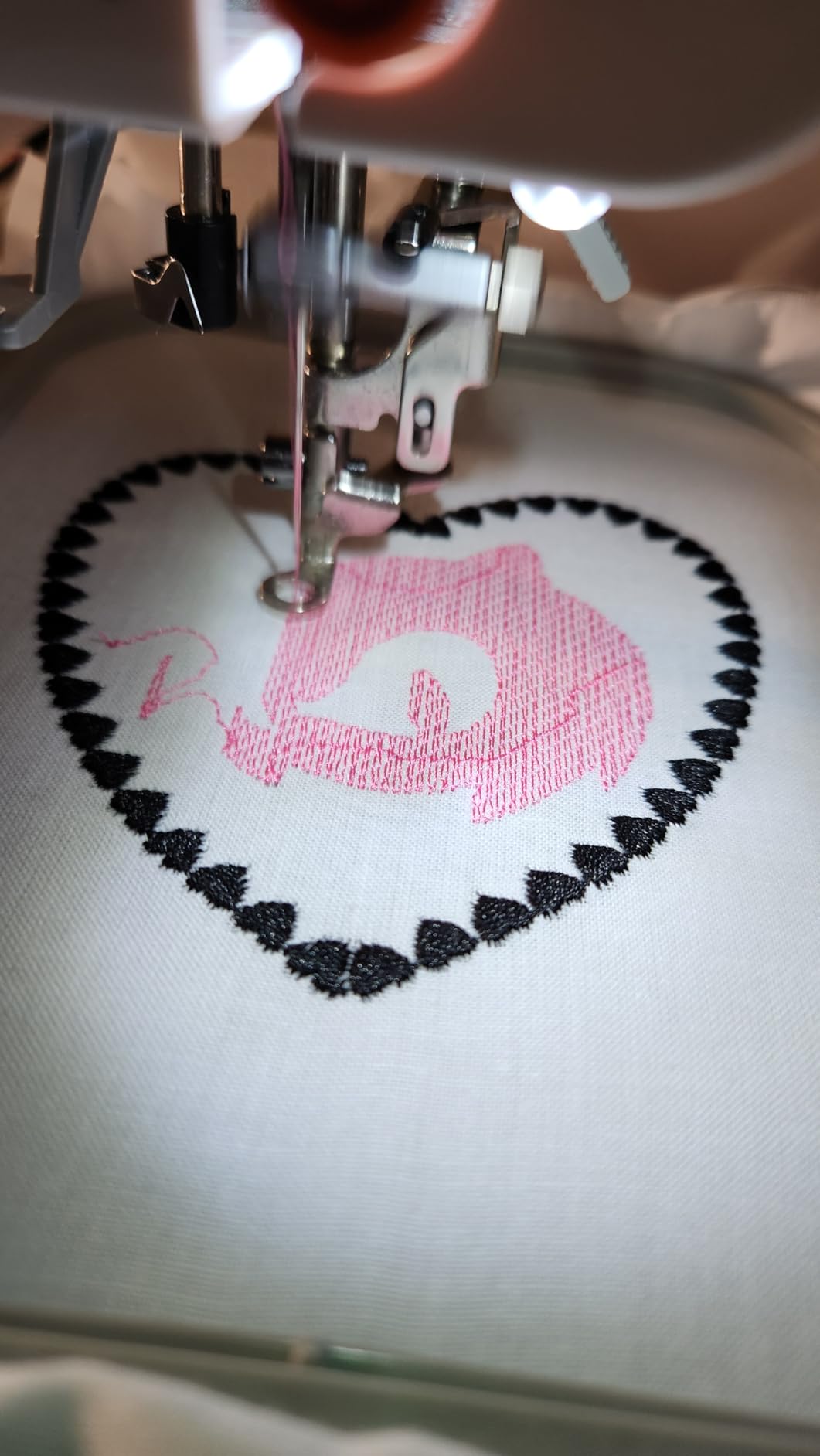
The EOC05 is shaped differently from most entry machines, and that is the point. Its 4 inch x 9.25 inch embroidery area handles long, narrow placements that a square 4 inch x 4 inch hoop cannot, such as a vertical towel edge or a long chest strip. A second 4 inch x 4 inch hoop is included for the small stuff.
Complete beginners dominate the reviews and report embroidering within a day of unboxing, with consistent stitch quality on pillows, aprons, patches and towels. The package is unusually complete: 6 rolls of thread, 30 pieces of stabilizer, 25 bobbins, a thread stand, 9 needles and a USB drive.
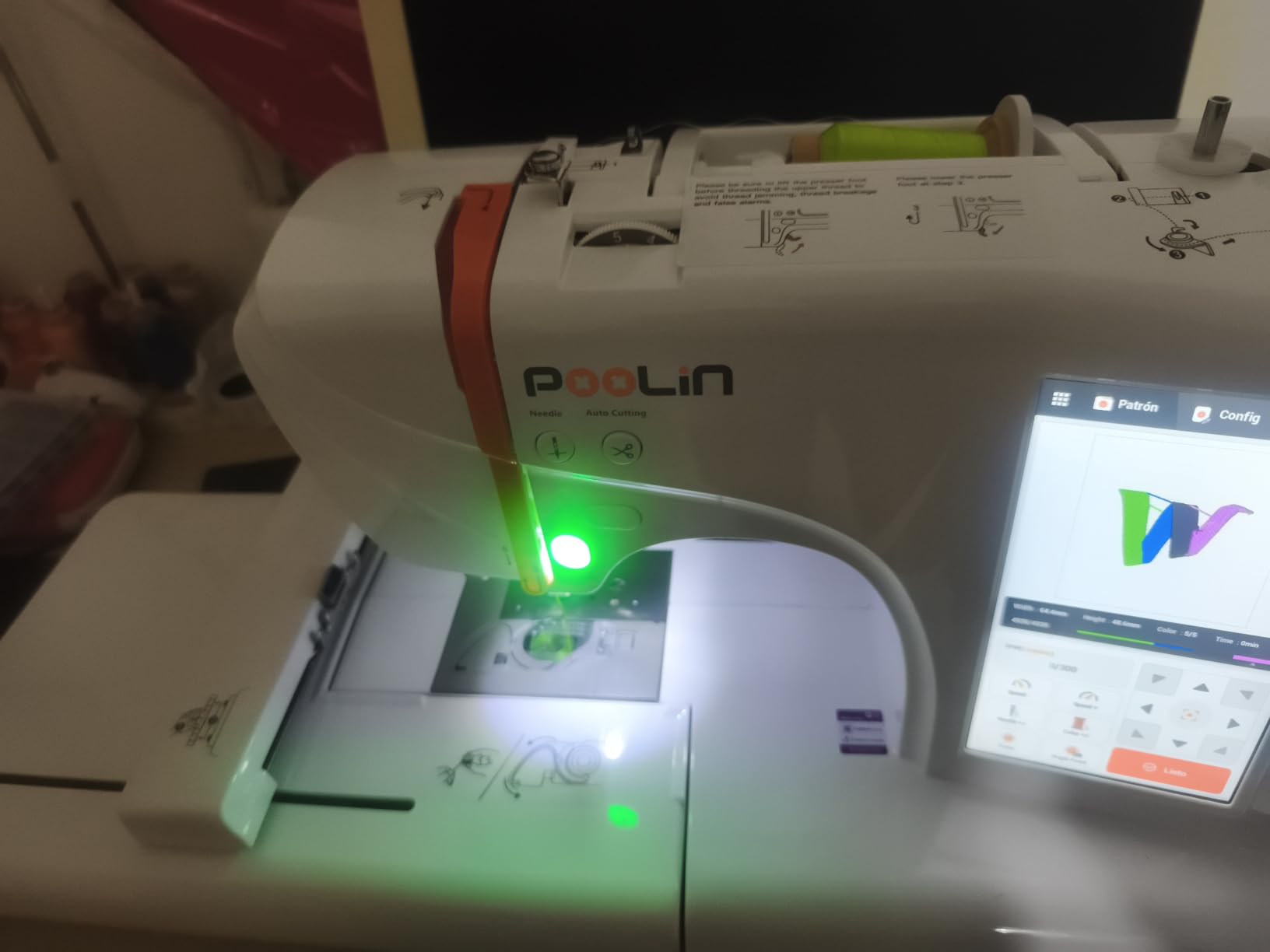
Control comes through the Institch OS2 system on a 7 inch colour touchscreen, with WiFi and USB design transfer through the Institch website and free embroidery design software included. At 22 pounds and 10.8 inch deep by 21.5 inch wide by 8.7 inch high, it is quiet enough for apartment use.
The one complaint that comes up again is the lack of a resume function. If the thread breaks or runs out mid-design, you restart the stitching rather than resuming at the break, and the bundled patterns may not lock off cleanly at colour changes. Stock designs are also limited, so custom work needs additional software.
Where the EOC05 works well
Long narrow placements on towels, aprons, bag straps and vertical chest strips, in a small room. The included supplies mean zero setup cost before the first stitch.
It is also a good first machine for someone teaching a class or a group, because the small size and low weight make it easy to pass around.
Where it frustrates people
No resume after an error is a real productivity problem on anything detailed. Budget extra time for thread breaks until you learn tension settings.
A firmware update is needed at first setup, and the built-in design library is thin, so custom work needs additional software.
6. Smartstitch S-1501 — Best Embroidery Machine for Production Runs and Caps
Smartstitch S-1501 Commercial Embroidery Machine with 15 Needles,14″x20″ Embroidery Area,1200SPM Max Speed,12″ Touch Screen, Wifi available, capable of embroidering on 3D Caps, Flat, T-shirt and more
15 needles
14 inch x 20 inch field
1200 spm
12 inch wide-angle screen
Pros
- 14 inch x 20 inch field handles big multi-colour jobs
- 12 inch wide-angle touch screen
- 270 degree cap system for 3D caps and cap sides
- Starter pack of thread and stabilizers plus training included
Cons
- 209 lb body needs dedicated floor space
- A serious entry step into the commercial tier
- Older review base than newer units
The S-1501 is the volume machine in this roundup. Fifteen needles, a 14 inch x 20 inch embroidery area and up to 1200 spm maximum speed means a fifteen-colour job loads once and runs without a single manual thread change. Buyers describe it as a capable, well-supported entry point for starting an embroidery business.
The wide-angle cap system is the detail that separates it from the general commercial heads. At 270 degrees it covers 3D caps and cap sides, not just flat panels, and the machine also handles denim, canvas, leather, vinyl, shoes and bags.
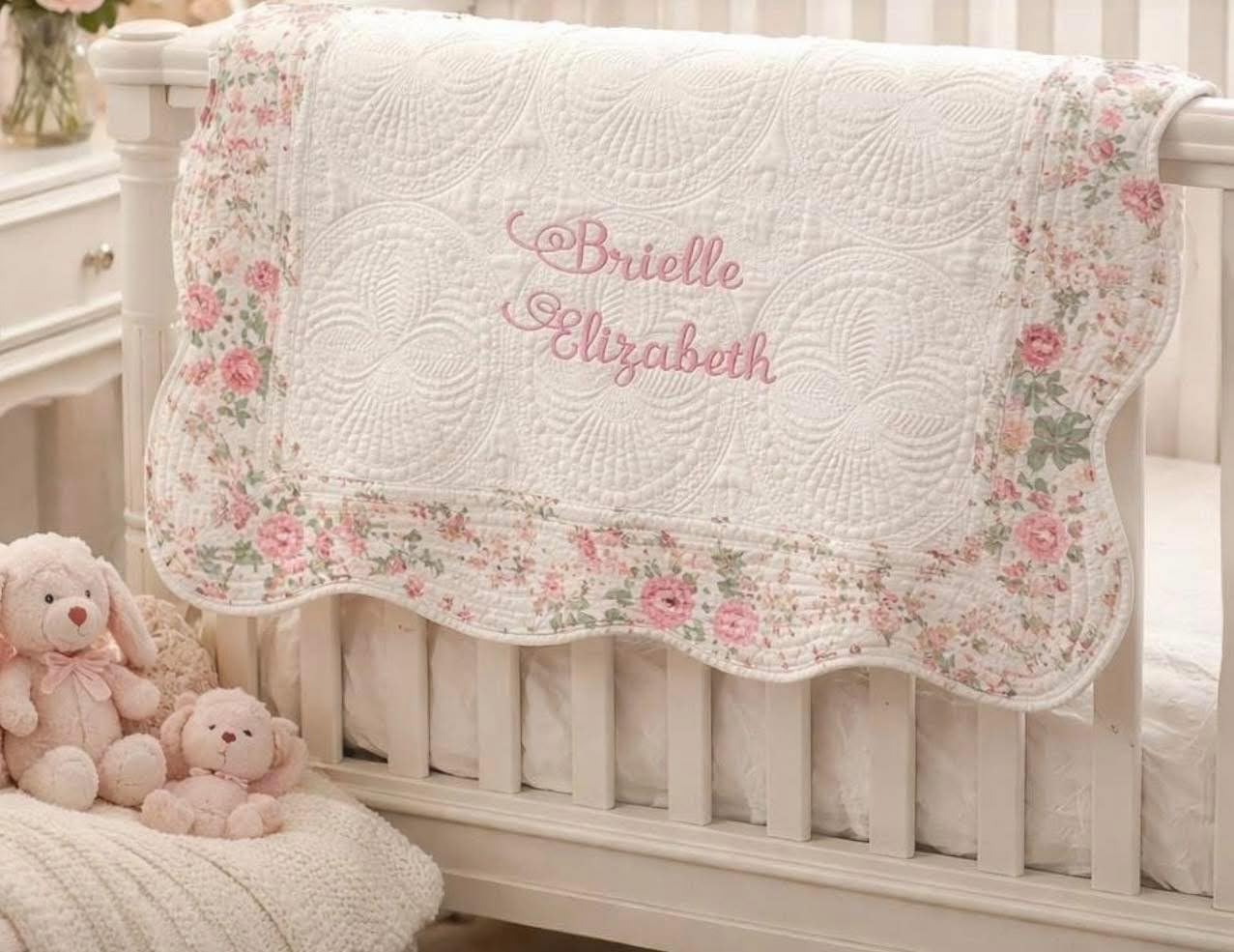
The 12 inch wide-angle touch screen makes design placement and machine control straightforward, and laser positioning plus automatic colour change remove a lot of guesswork. File transfer works over USB or WiFi using DST and DSB files.
Feedback emphasises the vendor’s training, live demo appointments and engineering support rather than stitch quality complaints. The practical drawback is size: 209 pounds at 28 inch deep by 30 inch wide by 32 inch high means a dedicated corner, and the platform is an investment you should approach with a product line in mind.
Where the S-1501 works well
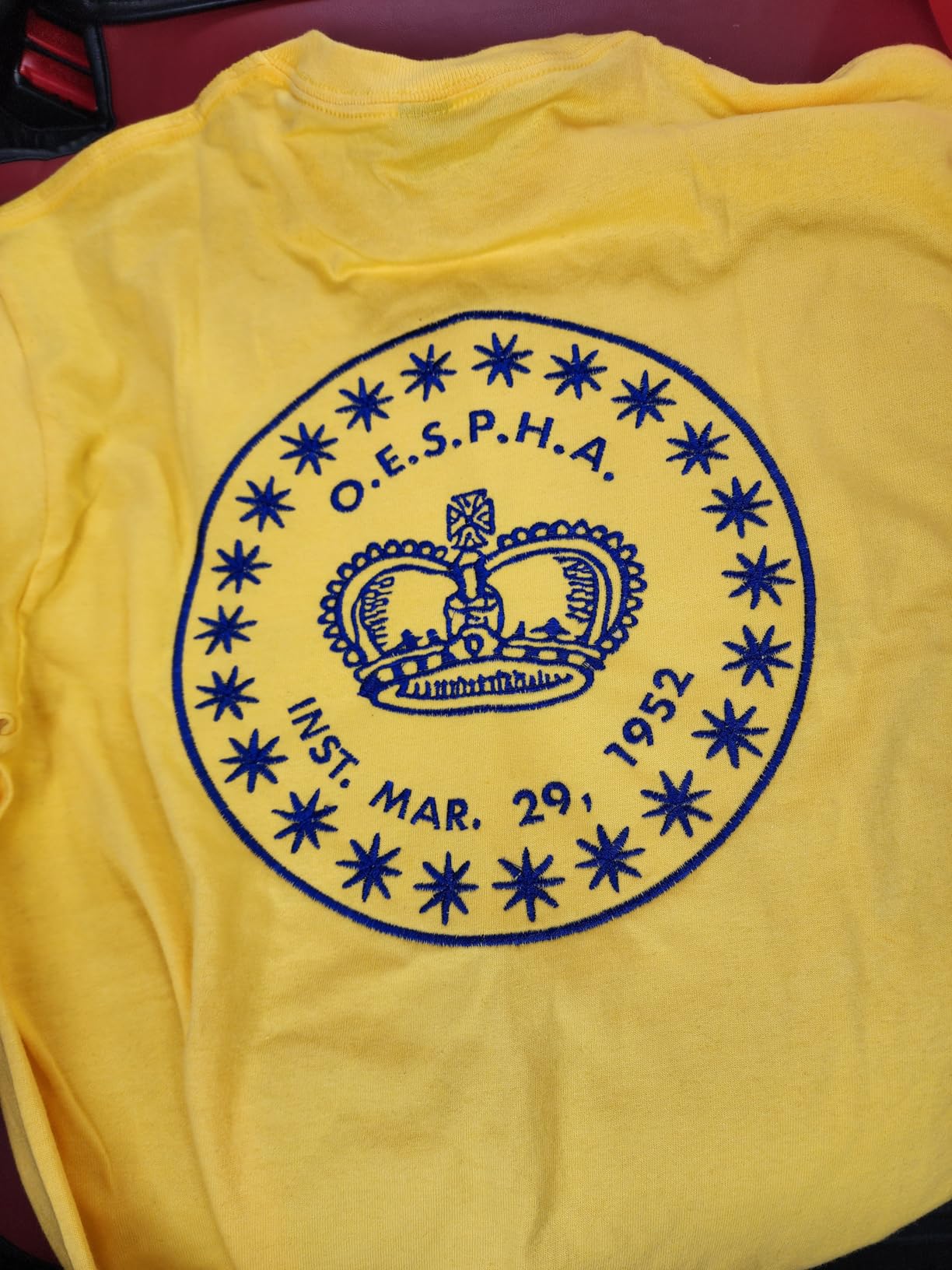
Cap and hat programmes, where the 270-degree system and 850-plus class cap speed matter more than anything else on the spec sheet. It is the only machine here that treats caps as a first-class job.
Large back panels and multi-colour uniform runs also suit it, since 15 needles keep the run continuous.
Where it frustrates people
The footprint and weight. This is a floor machine, not a table machine, and moving it twice is a two-person job.
If you are still deciding whether to go commercial, this is a serious commitment. The S-1001 covers the same ground at a lower tier.
7. Smartstitch S-1201 Plus — Best Large Field on a 12-Needle Head
Smartstitch S-1201 Plus Embroidery Machine with 12 Needles, 1200SPM Max Speed, 10″ Touch Screen, 12″x16″ Embroidery Area, Wifi, New Gen of Commercial Embroidery Machine for Flat, Hat, T-shirt and more
12 needles
12 inch x 16 inch field
1200 spm
10 inch touch screen
Pros
- 12 inch x 16 inch field cuts down on rehooping
- Direct vertical guide keeps noise and vibration low
- 10 inch screen plus physical control buttons
- Starter pack and training and engineering support
Cons
- Newer model with a smaller review base
- Still a commercial-scale footprint
The S-1201 Plus makes a deliberate trade: fewer needles, bigger field. Its 12 inch x 16 inch embroidery area is unusually large for a 12-needle machine, which means fewer rehoops on back panels and towels, while 12 needles still handle a realistic colour count without babysitting.
Owners highlight quiet, stable operation and the unusually large working area for the needle count, along with responsive vendor support and training. Because it is a recent-generation release, the review pool is smaller and skewed heavily positive, with limited critical commentary on stitch quality.
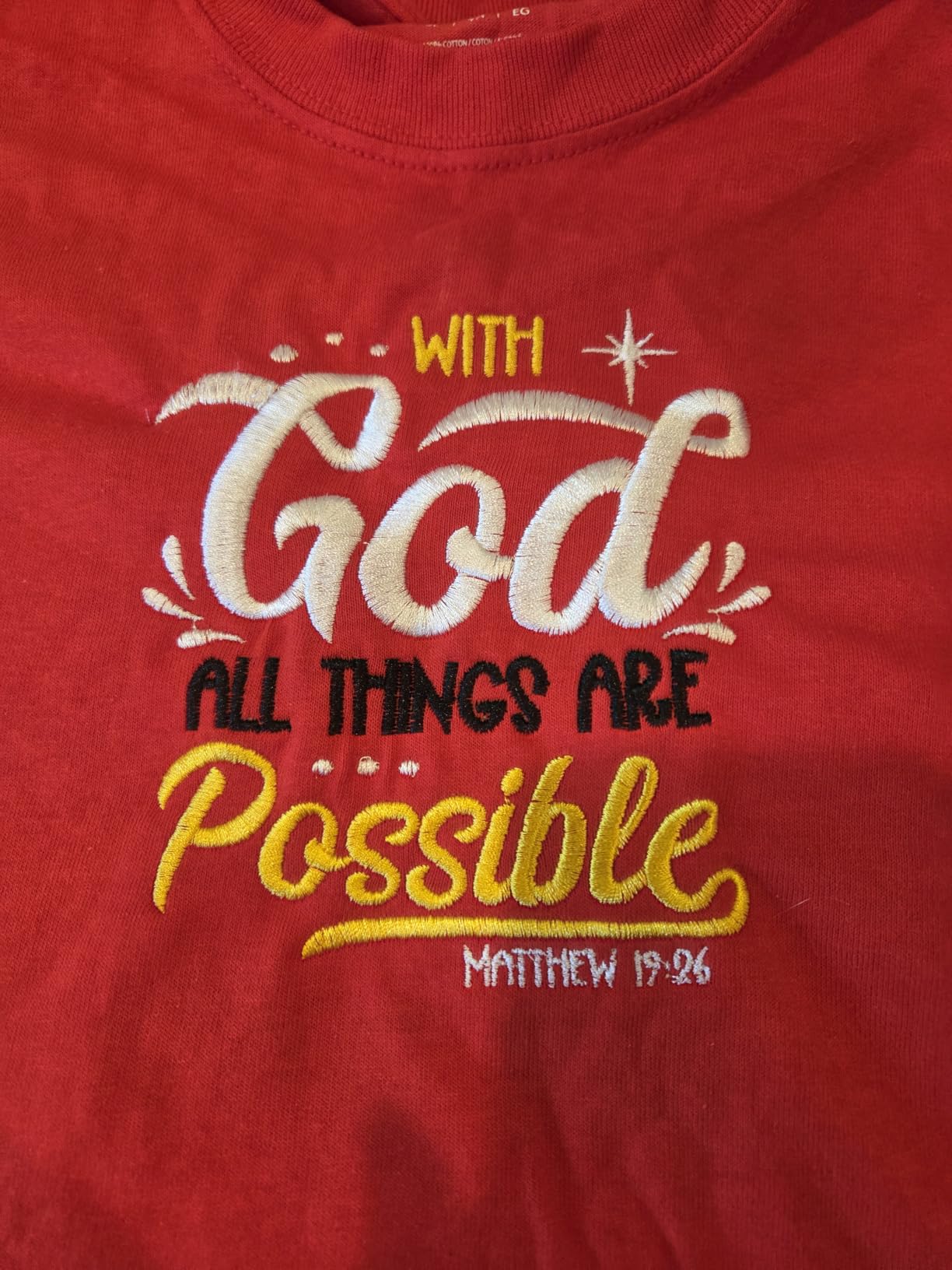
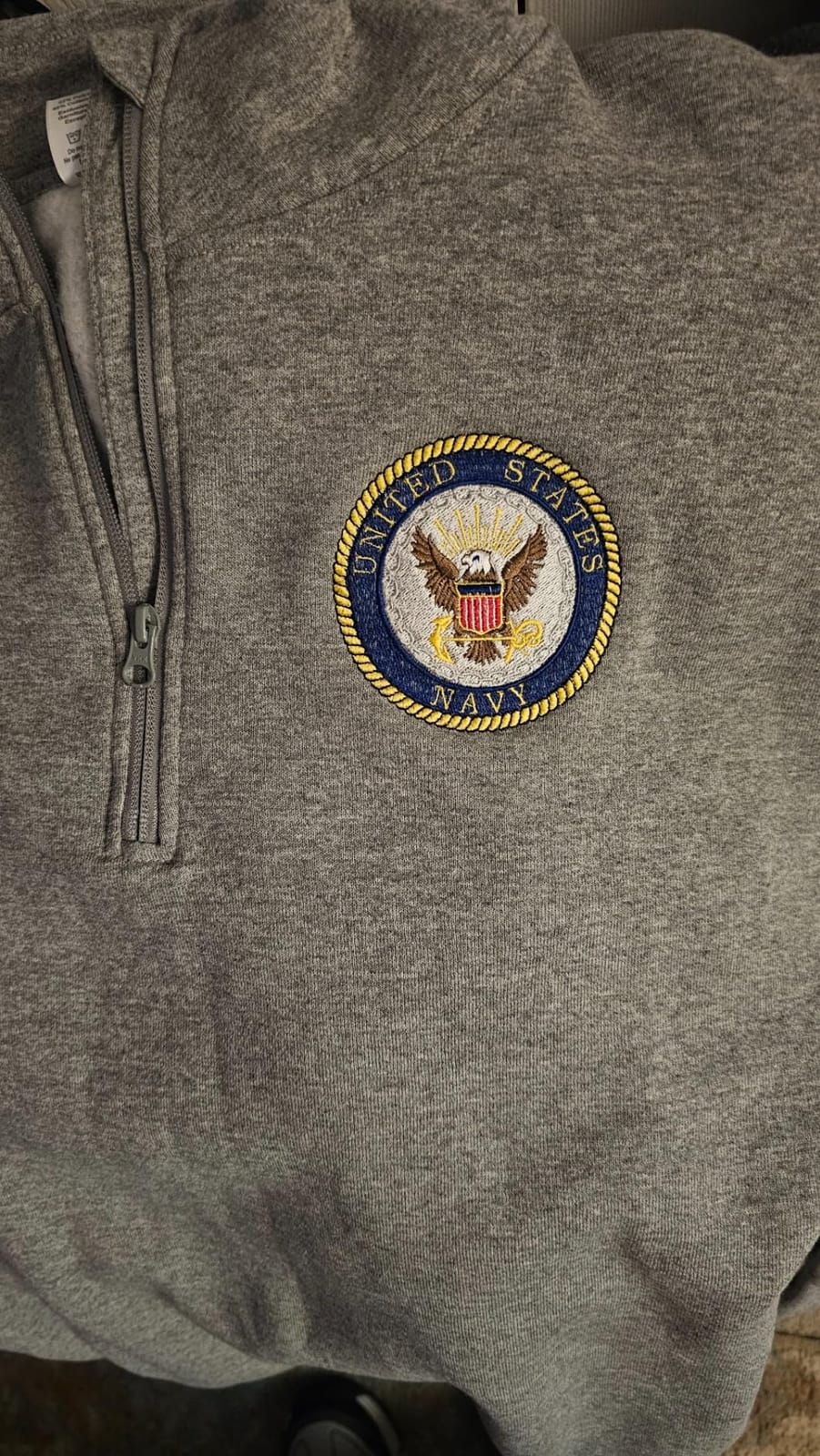
The new-generation direct vertical guiding system is the engineering story here. It adds stability and lowers noise, and the machine also carries auto thread trimming, auto colour change, self-lubrication and thread break detection, with a 10 inch touch screen and added physical control buttons for running jobs.
The V7 smart control system stores up to 100 million stitches, and laser embroidery positioning helps with placement. Files come in over USB or WiFi. Weight is not listed by the manufacturer, though the 22 inch by 17 inch by 29 inch body is still commercial in scale.
Where the S-1201 Plus works well
Large single placements: a full back, a quilt panel, a wide towel or an apron. A bigger field means fewer joins, and joins are where registration errors show up.
Shared studio or classroom work also suits it, because the low noise and physical buttons make it easy to hand to a new operator.
Where it frustrates people
Twelve needles means more thread changes than a 15-needle head on very colourful work. If every job is fifteen colours, step up a tier.
The thin review history is worth noting if you care about long-term reliability data rather than current owner satisfaction.
8. Janome Memory Craft 9850 — Best Sewing and Embroidery Combo With a Long Arm
Janome Horizon Memory Craft 9850 Embroidery and Sewing Machine
Sewing and embroidery in one
Extended arm workspace
Touchscreen pattern selection
Pros
- Sewing and embroidery in one machine with a large extended work area
- Built-in design and decorative stitch library
- Memory storage for custom patterns and settings
Cons
- Lower average rating with a 12 percent one-star share
- Older model generation
- Touchscreen navigation is dated
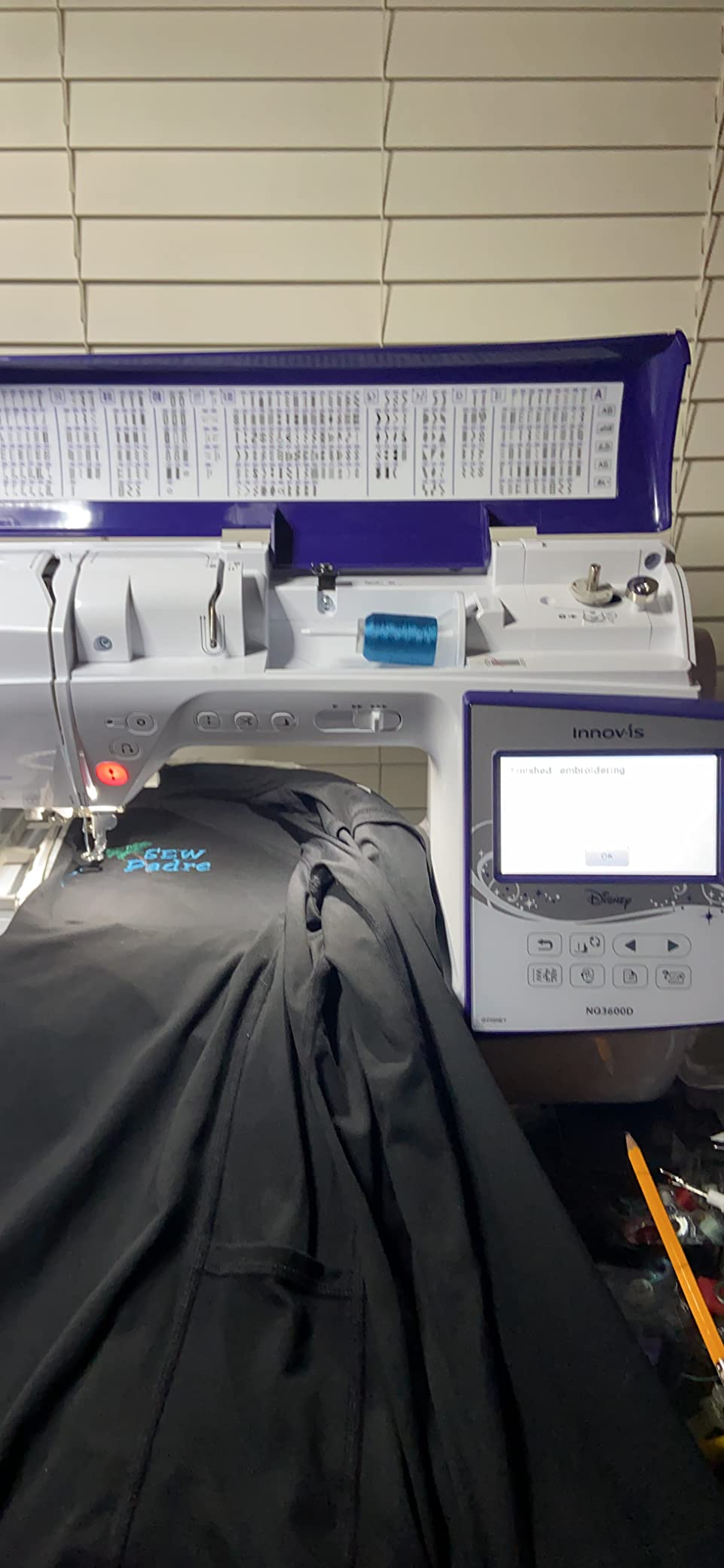
The Janome 9850 is the choice for someone whose sewing workload is real, not occasional. The extended arm gives a large workspace for bulky fabrics and quilts, and the computerized Memory Craft controls store custom patterns and settings rather than making you reload every time.
Feedback centres on the versatility of having embroidery and sewing in one long-arm-style machine with plenty of room for quilts and bulky fabrics. Owners also value the built-in design and decorative stitch library as a starting point instead of a blank canvas.
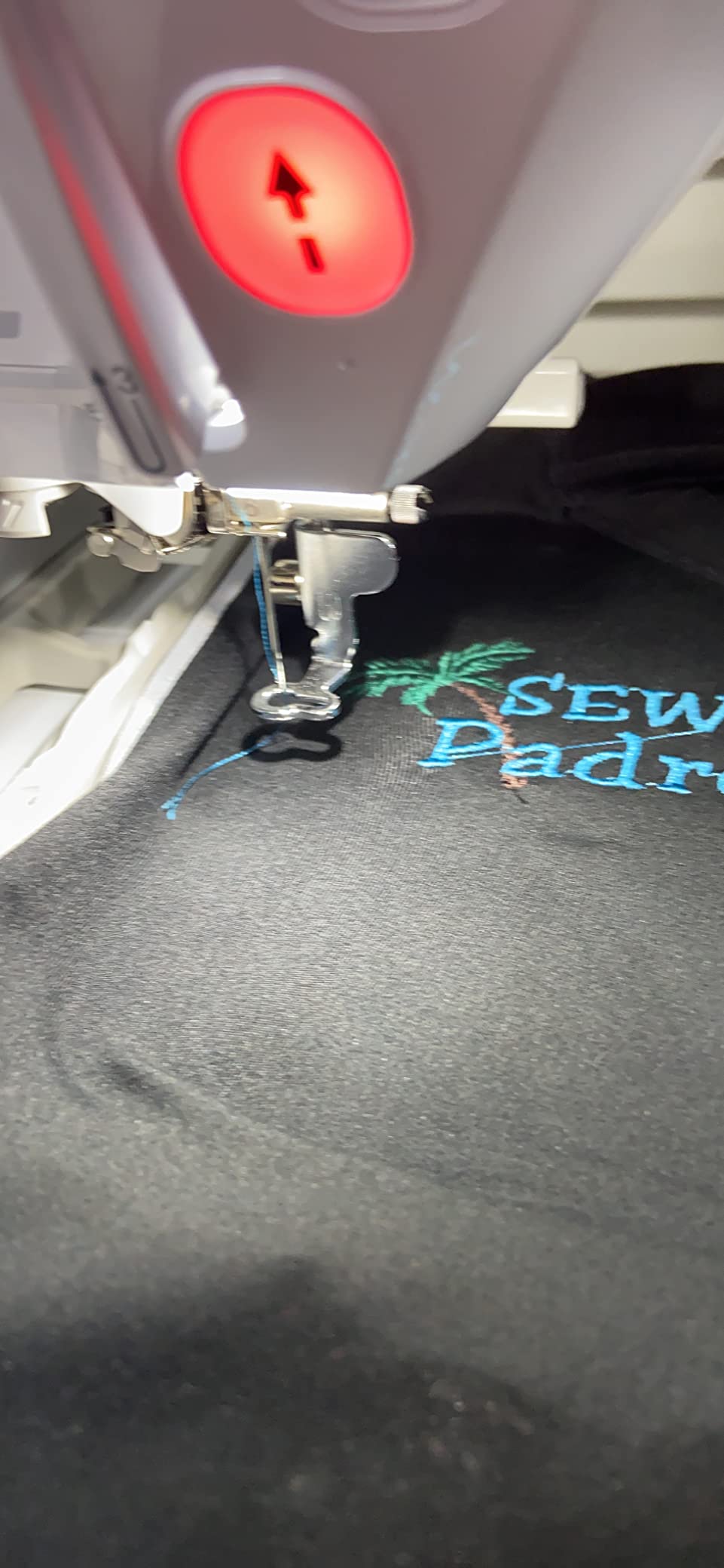
Two cautions. This is an older model generation, and its touchscreen navigation is dated against the machines listed around it. It also carries the highest one-star share of the home machines in this roundup, with 12 percent, against a 4.3 average.
At 23 pounds and 8.8 inch deep by 18.7 inch wide by 12.4 inch high, it is smaller than its long-arm reputation suggests, which is good for a dedicated corner. Judge it on the sewing capability and the arm rather than the embroidery feature list.
Where the 9850 works well
Quilting, bags, garment construction and home decor, where you want a proper sewing machine and embroidery is a bonus rather than the main event. The extended arm handles thick batting and quilted pieces.
It is also a sensible one-machine solution for someone starting out and unsure whether they will stay interested in embroidery.
Where it frustrates people
Its embroidery side is not competitive with the Brother and Poolin machines here. A buyer focused purely on embroidery should look at the SE600, PE800 or EOC06 instead.
Older generation means dated navigation and fewer connectivity options than newer units.
9. Smartstitch S-1001 — Best Entry Point Into a Commercial Embroidery Head
Smartstitch S-1001 Upgraded Embroidery Machine with 10 Needles, 1200SPM Max Speed, 7″ Touch Screen, 9.5″x14.2″ Embroidery Area, New Gen of Commercial Embroidery Machine for Flat, Hat, T-shirt and more
10 needles
9.5 inch x 14.2 inch field
1200 spm
7 inch touch screen
Pros
- Compact and lighter than 12 and 15 needle models
- Auto trimming and colour change and thread break detection
- Handles denim and canvas and leather and caps and shoes
- Training and local engineering support
Cons
- Smaller 7 inch screen and 10 needle head
- Still a 93 lb commercial-class machine
The S-1001 is the least intimidating way into a commercial head. It keeps the 1200 spm speed of the larger Smartstitch machines while weighing 93 pounds, which is roughly half the S-1501, so it fits in a small production room without a reinforced floor plan.
This entry-level commercial head is rated by owners for output quality and ease of automation, with notes on low noise and a stable structure. The vendor’s training and support programme is credited with shortening the learning curve, and critical feedback is minimal.
Ten needles, a 9.5 inch x 14.2 inch embroidery area and a 7 inch touch screen sit under a new-generation compact, lighter chassis. Auto thread trimming, auto colour changing, self-lubrication and thread break detection do most of the babysitting for you, and laser positioning plus physical buttons help with setup.
It handles denim, canvas, leather, vinyl, caps, shoes and bags, and the starter pack includes thread, stabilizers and bobbin thread with manuals, video training and local technical support. Files transfer over USB or WiFi in DST and DSB formats.
Where the S-1001 works well
A first production room, a small uniform or workwear run, and a maker moving from home machines to a real order book. Ten needles cover most logo colour counts.
The 9.5 inch x 14.2 inch field handles a back panel, which is the piece most home machines cannot take in one go.
Where it frustrates people
Ten needles still means manual intervention on very colourful designs, and the 7 inch screen is small next to the 10 inch and 12 inch panels on the machines above it.
At 93 pounds it is a floor machine in practice. Budget the table and the space as part of the purchase.
10. Poolin EOC07 — Best Embroidery Machine for Long Panels and Towels
Poolin EOC07 Embroidery Machine,15″x 7.9″ Large Embroidery Area & 4 Hoops
7.9 inch x 15 inch field
4 hoops included
Institch OS3
7 inch colour touchscreen
Pros
- 7.9 inch x 15 inch field reduces rehooping
- 7 inch colour touchscreen with stitch progress tracking
- WiFi plus USB transfer with cost calculators
- Starter thread and stabilizer and bobbins included
Cons
- Smallest review pool in the group
- 40 lb machine is heavier than the smaller home models
The EOC07 is the long-hoop specialist. A 7.9 inch x 15 inch maximum embroidery area is genuinely unusual on a home machine, and it is the answer for anyone stitching towels, table runners, quilt borders and long panels who keeps hitting the limit on a squarer field.
Owners are overwhelmingly positive about the extended area and the simple control system, with frequent mention of responsive one-on-one after-sales support. Because the machine is newer, the feedback set is small and contains almost no negative commentary, which is a benefit and a caveat at once.
It runs the Institch OS3 system with a 7 inch colour touchscreen that tracks stitch progress, 200 built-in patterns, 8 fonts and 10 languages. Design transfer works over WiFi through the Institch website or by USB flash drive, and the box includes four hoops, 6 rolls of thread, 20 pieces of cut stabilizer, 25 pre-wound bobbins, a thread rack stand, a cover bag and an accessories bag.
Built-in cost calculators are a nice touch for anyone pricing jobs, and free one-on-one after-sales support with manuals and a quick start guide gets you moving. At 40 pounds, it is heavier than the smaller home models but still portable.
Where the EOC07 works well
Long narrow work: towels, runners, quilt borders, apron ties and vertical garment panels. The field means one hooping instead of three, which also means fewer registration seams.
The included cost calculators make it a practical choice for someone starting to quote real jobs rather than making gifts.
Where it frustrates people
Only 35 reviews exist, so the reliability picture is thin. If long-term dependability is your priority, the EOC06 has a much deeper owner base.
It is single-needle, so multi-colour production still stops for every colour change.
11. Brother PE800 — Best Value Embroidery Machine With a 5 inch x 7 inch Field
Brother PE800 Embroidery Machine, 138 Built-in Designs, 5″ x 7″ Hoop Area, Large 3.2″ LCD Touchscreen, USB Port, 11 Font Styles
5 inch x 7 inch field
138 built-in designs
11 font styles
3.2 inch touchscreen
Pros
- 5 inch x 7 inch hoop is a real step up from 4 inch x 4 inch
- Easy to use out of the box with a clear manual
- Works across cotton and felt and cording and Vilene
- Remembers stitch position after power loss
Cons
- Bobbin sensor is unreliable with some bobbins
- On-board editing and internal memory are limited
- Needle threader is inconsistent until you learn the sequence
The PE800 is the pick we keep coming back to for anyone who has outgrown a 4 inch x 4 inch hoop but is not ready to spend on a commercial field. At 5 inch x 7 inch, it handles a name on a shirt chest, a decent towel corner and most monogram placements without a re-hoop.
Owners report that it handles nearly every fabric without thread breakage once simple spool-pad and spool-net fixes are applied, and they praise the intuitive screen and generous design library. 138 built-in designs, 11 built-in fonts (7 English, 3 Japanese, 1 Cyrillic) and a USB port make it a working library rather than a starting one.
It is embroidery-only and weighs 17.6 pounds at 10.48 inch deep by 18.48 inch wide by 12.81 inch high. On-board design editing and stitch recall after a power loss are both included, which is a quiet safety net on a long design.
The recurring negatives are specific. The bobbin sensor does not reliably warn about a low bobbin, internal memory holds only a handful of patterns, on-board editing is limited, the single USB port rules out attaching a larger display, metal bobbins are not detected properly, and the auto needle threader can be inconsistent until you learn the sequence.
Where the PE800 works well
Everyday home embroidery: monograms, chest lefts, towels, tote bags, patches. The field is big enough that most single-placement jobs fit, which removes the re-hooping frustration that pushes people off the craft.
138 designs and 11 fonts mean you can produce lettering work without buying a design pack, and the machine is US 120V only.
Where it frustrates people
Large multi-colour work. One needle means a stop for every colour, and 400 class speeds make a big design a long sitting.
Internal memory and on-board editing are minimal, so serious design work happens in software on your computer rather than on the machine.
12. Janome Memory Craft C400E — Best Embroidery Machine for Home Monogramming
Janome Memory Craft C400E Computerized Embroidery Machine – MC400E Monogram Machine with 160 Built in Designs, 4 Hoops, and 6 Monogramming Fonts, Digital Embroidery Unit for Home, Beginners
7.9 inch x 7.9 inch field
160 designs and 6 monogram fonts
Auto return after thread break
Pros
- 7.9 inch x 7.9 inch area is generous for a home machine
- Auto return after a thread break resumes exactly
- 160 built-in designs and 6 monogram fonts
- Touchscreen editing of rotate and resize and mirror and combine
Cons
- Lowest average rating in the group with a 13 percent one-star share
- Embroidery only so there is no sewing function
- Bulkier footprint than the Brother home machines
The C400E is an interesting pick because of one feature: auto return after a thread break. It picks up exactly where stitching stopped instead of restarting the design, which on a long monogram or a multi-line script is the difference between a five-minute fix and a lost afternoon.
Owners who have learned the workflow appreciate the large 7.9 inch x 7.9 inch hoop, the auto-return feature and the built-in design library. The 13 percent one-star share points to a real group of buyers who found the learning curve and the edit workflow harder than expected relative to the machine’s position in this list.
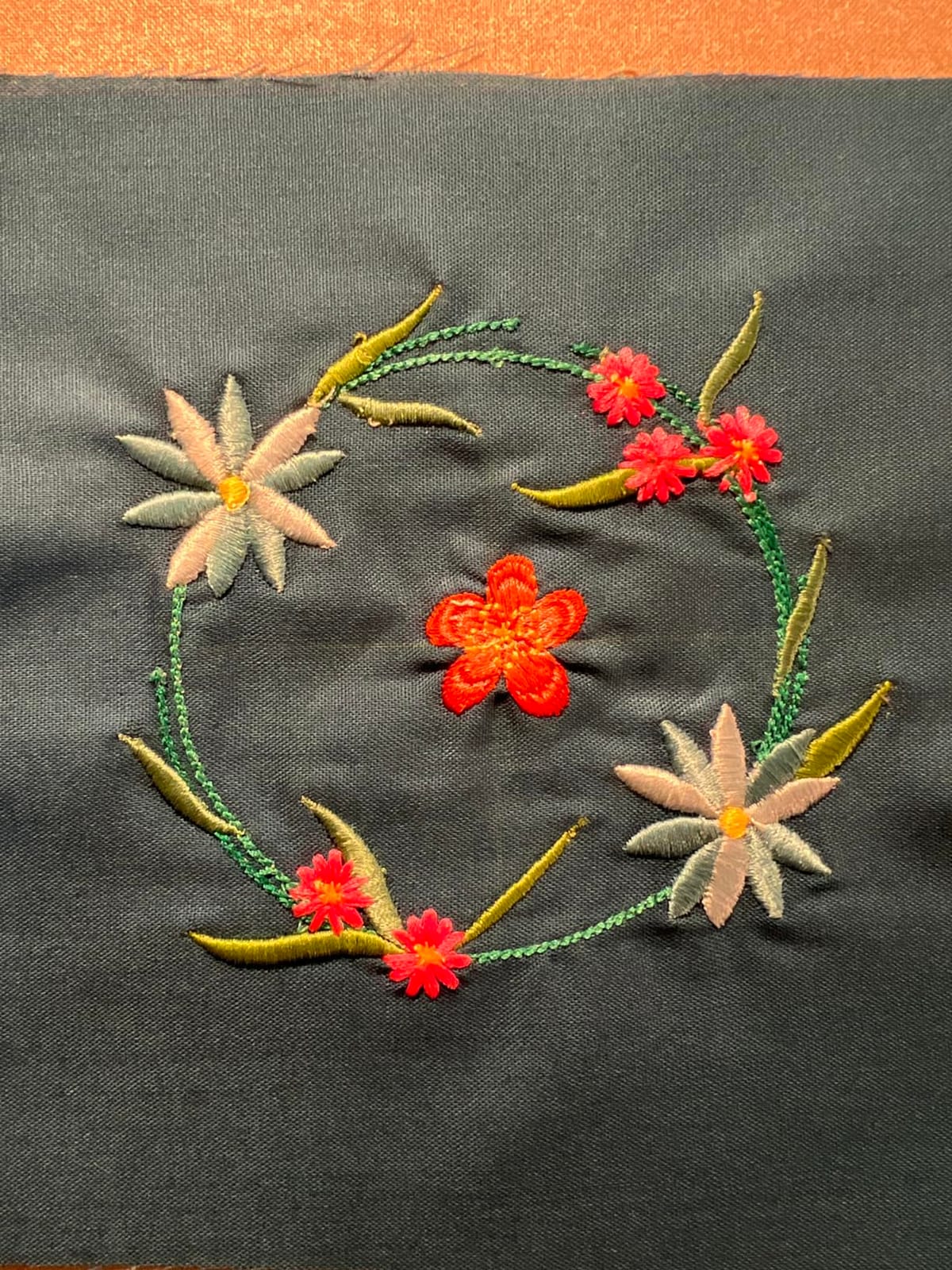
Specifications: 160 built-in designs and 6 monogram fonts, a maximum embroidery area of 7.9 inch x 7.9 inch with 4 included hoops, an LCD colour touchscreen with rotate, resize, mirror and combine, automatic thread tension control and flexible stitch travelling, and USB design import with PC-compatible AcuStitch software.
Warranty coverage is the strongest in the roundup at 25 years on mechanical parts, 2 years on electrical parts and 1 year on labour. The trade-offs are the 25 pound weight at 22.01 inch by 25.98 inch by 21.81 inch, which is bulky next to the Brother home machines, and the fact that it does not sew at all.
Where the C400E works well
Monogramming and small multi-line lettering at home, where the four hoops and six monogram fonts cover most jobs and the 7.9 inch square is a genuine luxury compared with a 4 inch x 4 inch machine.
Anyone who breaks thread regularly will feel the auto return more than they expect, and the long mechanical warranty reduces the risk of a first purchase.
Where it frustrates people
It carries the lowest average rating in this group at 4.2, with 13 percent one-star reviews, and the complaints cluster around the learning curve rather than the hardware.
If you sew as well as embroider, this is the wrong machine, because there is no sewing function at all.
Embroidery-Only vs Sewing and Embroidery Combo Machines
The single most common question in beginner buying threads is whether a combo machine is a compromise. Sometimes it is. A combo machine gives you a full sewing machine and a 4 inch x 4 inch embroidery unit in one body, and you accept a small field and one needle to get the sewing function free.
Buy a combo when sewing is at least half of your workload. The Brother SE600 in this roundup is the clearest example: 103 sewing stitches, 10 auto-size buttonholes and a 3.2 inch colour screen in one 26.2 pound machine, which is one table instead of two.
Buy embroidery-only when embroidery is the job. A dedicated machine gives you a larger field for the same money, because none of the budget goes into the sewing mechanism. Every Poolin model here is embroidery-only, and the 7.9 inch x 11 inch EOC06 field is the clearest proof of the trade-off.
Janome straddles the line differently. The 9850 is a sewing-first machine with embroidery attached, and its extended arm is worth more to a quilter than its embroidery features. Judge it on the sewing.
Single Needle vs Multi-Needle: Which One Do You Need?
A single-needle machine has one thread path. Every colour change means the machine stops, you cut the old thread, thread the new colour and restart. On a four-colour monogram that is a few minutes of work. On a twelve-colour logo across fifty caps, it dominates your entire production time.
A multi-needle machine carries 6 to 15 needles, each threaded to a different colour. It advances to the next needle automatically. The three commercial machines in this roundup run 10, 12 and 15 needles, and the BAI Mirror’s Institch OS5 setup guidance exists because the colour sequence has to be programmed before the first stitch.
Single-needle is the right answer for gifts, monograms, home decor and a business that mostly does one or two colour designs. Multi-needle is the right answer when you are quoting per-piece prices and colour changes would eat your margin.
Do not buy a multi-needle machine because a video impressed you. Buy one when you have a product list and a colour count. The machines here are genuinely capable, but a 15-needle head that mostly runs two-colour jobs is an expensive paperweight, and we have seen that pattern in owner threads more than once.
Baby Lock, Brother and Janome: How the Brands Really Differ
Brother and Baby Lock machines above a certain tier are built in the same factory with near-identical specifications and different branding. A Baby Lock Flare and a Brother PE800 are the same machine with different badges. So when you read that Baby Lock is better than Brother, or worse, the honest answer is that for the matching model, neither is true.
Where they genuinely differ is the ecosystem. Brother has the deepest owner community, the longest-running support and the largest catalogue of hoops and attachments. Baby Lock is often easier to find through a dealer with in-person training. For most buyers at the same price, pick whichever brand has a dealer within driving distance.
Janome takes a different position. Janome machines tend to be sewing-first with strong mechanical build, a long warranty on mechanical parts, and a smaller embroidery library than the Brother twins. If a search result tells you Janome is better than Baby Lock for embroidery, check whether the comparison is between matching models.
The practical test we would use: in a similar price bracket, buy the machine with the larger embroidery field. That peer consensus shows up repeatedly in owner forums, and it holds more often than any brand ranking.
What You Actually Spend: Price Tiers and Running Costs
The sticker price is roughly half the cost of owning an embroidery machine. The other half is consumables, and this is the factor most roundups skip.
Entry tier. Home machines with a 4 inch x 4 inch or 4 inch x 9.25 inch field. Running cost is stabiliser, thread and needles, and the small field is the hidden cost because you re-hoop more often.
Home tier. Machines with a 5 inch x 7 inch to 7.9 inch x 15 inch field and 80 to 200 built-in designs. Add design software, extra hoops and a cap frame if caps are on the list. This is where most hobbyists should stop.
Commercial tier. Ten to fifteen needle heads. Add an operator’s time, a dedicated table, servicing, and digitising either bought in or done in-house. Consumables scale with volume, so the per-unit cost falls as orders grow.
Add to every tier: stabiliser, which is the item that decides whether a project succeeds or puckers. Buy a hoop for the fabric you actually make rather than the fabric you plan to make. A cap frame is worth adding early, because it is the attachment that changes what a business can sell. And allow for a professional service every few years, which is the line item owners forget until the machine stops mid-run.
Our guide to portable washing machines covers running costs from a different angle, but the rule is the same: the purchase is the smallest part of the line.
Buying Used, Maintenance and When to Upgrade
Buying used saves real money, and it is where most regret comes from. The rule owner communities agree on is simple: have a local technician inspect the machine before you pay, and prefer dealer-refurbished over a private sale because the dealer stands behind the unit.
On a used machine, check three things. First, that the machine completes a full design without thread breaks in the middle of a fill. Second, that the automatic features work: needle threader, bobbin winding, thread trimmer. Third, that the hoop set you need exists, since hoops and attachments age badly.
Maintenance is boring and it decides the lifespan. Clean lint from the bobbin area and the needle path regularly, change the needle more often than you think, and use a ball point needle for knits. Owners who report machines lasting a decade are almost always the ones who treated lint as a weekly task rather than a yearly one. It is the same lesson we drew in our best cable machines guide, where local repair access mattered more than any headline specification.
Upgrade when one of these is true: you re-hoop every single project because the field is too small, colour changes cost you more time than the stitching, or you are losing work to hoops and attachments you cannot buy for your current machine.
Do not upgrade because a faster machine looks better in a photo. A 1200 spm commercial head running two-colour jobs produces exactly the same result as a 400 spm home machine, just later.
Frequently Asked Questions
What is the best embroidery machine for home use?
The Brother SE600 is the best embroidery machine for home use for most people, because it sews as well as it embroiders and its 3.2 inch colour touchscreen makes a beginner confident quickly. If embroidery is your only interest and you want a bigger field, the Brother PE800 with its 5 inch x 7 inch area is the better home machine.
What is the top of the line embroidery machine?
Among the machines tested here, the BAI The Mirror is top of the line: 15 needles, a 20 inch x 14 inch embroidery area and speeds to 1200 spm on flat work and 850 spm on caps. Owners rate it 4.8 out of 5 across 324 reviews. It is a commercial machine, not a home one.
Is Baby Lock better than Brother for embroidery?
Not at the matching model. Baby Lock and Brother embroidery machines above the entry tier are built in the same factory with near-identical specifications, so pick on dealer proximity, attachment availability and which brand has a technician near you. Baby Lock often has easier dealer access; Brother has the larger design and hoop library.
How much does a good quality embroidery machine cost?
A good home embroidery machine sits in the low hundreds, a large-hoop home machine in the high hundreds to low thousands, and a commercial multi-needle head runs from the mid thousands upward. Budget roughly a third of the machine cost again for stabiliser, thread, needles, hoops, attachments, software and servicing over the first year.
Do I need a multi-needle embroidery machine?
Only if you are stitching multi-colour work repeatedly. A single-needle machine stops for every colour change, which is fine for monograms and gifts but dominates production time on logos across dozens of pieces. If each job is two or three colours, a single needle machine like the Brother PE800 is the better buy.
What hoop size should I start with?
Most owners wish they had bought a bigger field than they did. A 4 inch x 4 inch area handles monograms and small chest lefts but forces re-hooping on anything larger. The 5 inch x 7 inch field is the practical minimum, and the 7.9 inch x 11 inch and 7.9 inch x 15 inch fields are worth the step up for towels and panels.
Conclusion: The Best Embroidery Machine for Your Work
Buy the Brother SE600 if you want one machine for sewing and embroidery and you are starting out. Buy the Brother PE800 if you are dedicated to embroidery and want the largest field you can get for the money. Buy the Poolin EOC06 if hoop size is the feature you will use every week.
If you are stitching for paying customers, the decision is about colour changes and speed, not about field size. The Smartstitch S-1001 is the sensible first commercial head, and the BAI The Mirror is the machine for teams running multi-colour work at volume.
In every case, buy the largest embroidery field you can afford, and budget for stabiliser and thread from day one. That is the advice we give every friend who asks.