
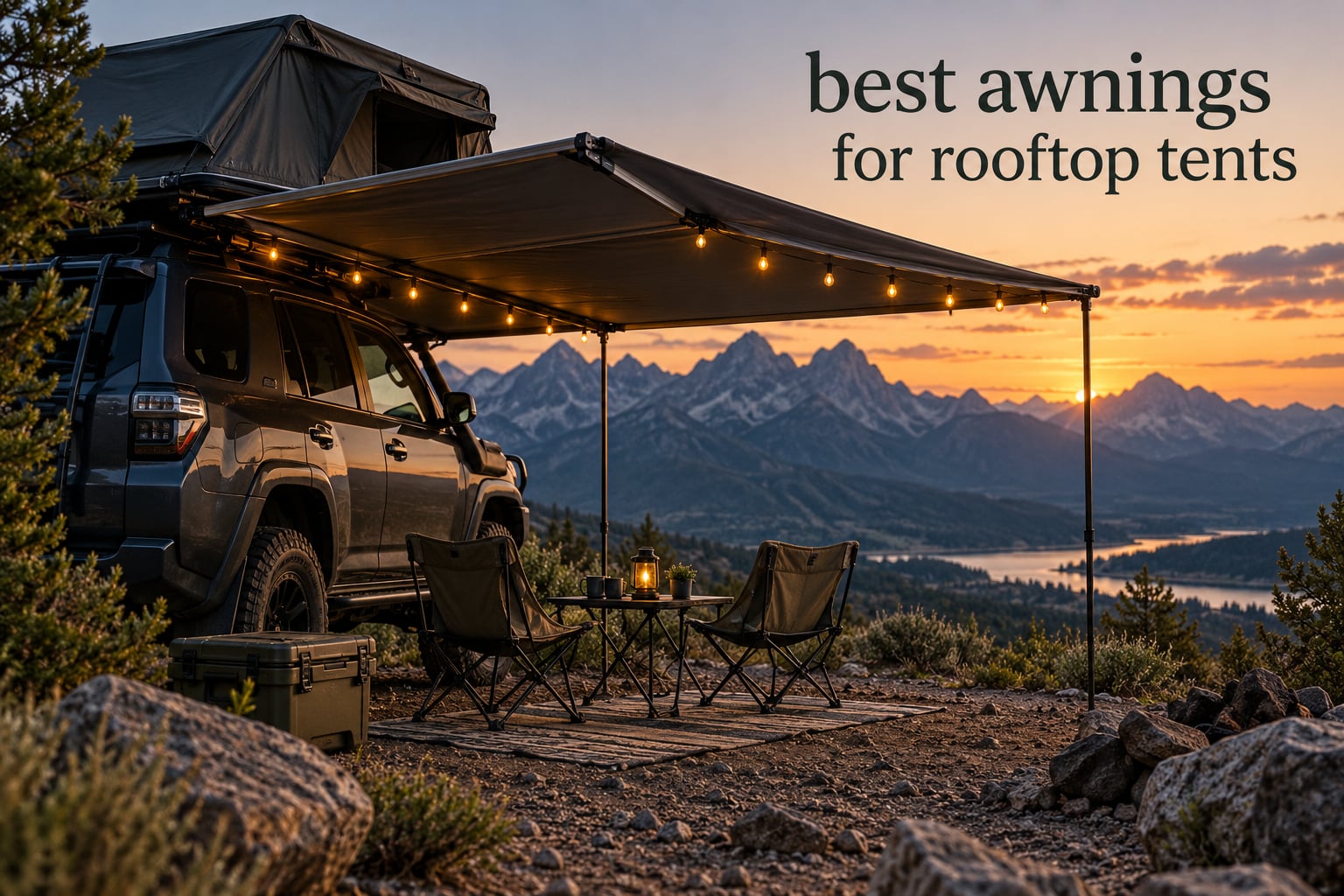
A rooftop tent gives you somewhere to sleep and nowhere to actually live. You climb the ladder, you zip out of the hatch, and then you are standing in the rain trying to cook on a tailgate. The best awnings for rooftop tents fix exactly that gap, adding shade, rain cover and a dry place to sit that the tent itself can never provide.
We spent 2026 season working through ten rack-mounted and hard-mounted awnings and comparing the numbers that actually matter when a tent is already on your roof: square feet of coverage against stowed weight, waterproofing ratings, stated wind limits, and whether the mounting hardware clears a hard-shell gas-strut door. Every review below carries a stated drawback, because an awning that flogs itself apart in a crosswind is worse than no awning at all.
We also kept the roof-load math honest. A rooftop tent is already eating your dynamic load rating before you add a single bracket, and the cheapest-looking awning in the group is not automatically the one that leaves your rack happy. If you are still building out the rest of your rig, our rooftop cargo carrier picks for SUVs cover the other half of that weight budget.
Table of Contents
Top 3 Best Awnings for Rooftop Tents (October 2026)

OVS Nomadic 270 HD
- 129 sq ft of coverage
- 280G poly-cotton ripstop
- Three pivoting aluminum poles
- No tools for base deploy

Timber Ridge 8.2 x 6.5 Awning
- 53.3 sq ft of shade
- PU 10000mm waterproofing
- 4ft to 7ft adjustable height
- Vented on three sides

VEVOR 6.6 x 8.2 Pull-Out Awning
- 54 sq ft of coverage
- 280GSM polyester-cotton ripstop
- One-minute twist-lock setup
- Universal mounting kit
The OVS Nomadic 270 wins the top slot because it is the strongest combination of big coverage and a deploy you can finish before the weather turns. The Timber Ridge takes the value spot on the strength of its waterproofing spec and owner satisfaction, and the VEVOR is the pick if the budget is the first constraint and the second constraint is a full mounting kit in the box.
Best Awnings for Rooftop Tents in 2026 at a Glance
| Product | Specifications | Action |
|---|---|---|
| OVS Nomadic 270 Degree HD Awning |
|
Check Latest Price |
 ALL-TOP 6.6 x 8.2 Pull-Out Awning ALL-TOP 6.6 x 8.2 Pull-Out Awning |
|
Check Latest Price |
| VEVOR 6.6 x 8.2 Roof Rack Awning |
|
Check Latest Price |
| Timber Ridge 8.2 x 6.5 ft Camper Awning |
|
Check Latest Price |
 OVS Nomadic 180 Awning OVS Nomadic 180 Awning |
|
Check Latest Price |
 Rhino-Rack Batwing Awning Rhino-Rack Batwing Awning |
|
Check Latest Price |
 OVS Nomadic 180 LTE Awning OVS Nomadic 180 LTE Awning |
|
Check Latest Price |
 Sanhima 270 Freestanding Awning Sanhima 270 Freestanding Awning |
|
Check Latest Price |
 Rough Country 270-Degree Awning Rough Country 270-Degree Awning |
|
Check Latest Price |
 Rhino-Rack Sunseeker 2.0m Awning Rhino-Rack Sunseeker 2.0m Awning |
|
Check Latest Price |
Two entries deserve an early flag. The Sanhima is the only awning here that publishes a wind number, and it publishes a modest one. The Rhino-Rack Sunseeker is the lightest unit from a premium-brand name in the group, which matters more than any other spec if your rack is already carrying a hard-shell tent.
1. OVS Nomadic 270 HD Awning Review: Big Coverage, Two-Person Lift
Overland Vehicle Systems 19529907 HD Nomadic 270 Degree Awning Passenger Side | 129 Sq Ft of Coverage | Dark Gray Fabric with Travel Cover Included | Twist and Lock Technology | Weather-Resistant
129 sq ft coverage
280G poly-cotton ripstop
84.8 lb stowed
Three pivoting aluminum poles
Pros
- 129 sq ft of passenger-side shade
- No poles required for the base deploy
- 280G poly-cotton ripstop with heat-sealed seams
- Quick-lock pole height adjustment without tools
- Backed by a four-year limited warranty
Cons
- Heaviest unit here at 84.8 lb and awkward for one person
- Listing shows a 30 day warranty term alongside the four-year claim
- Only driver-side and passenger-side variants offered
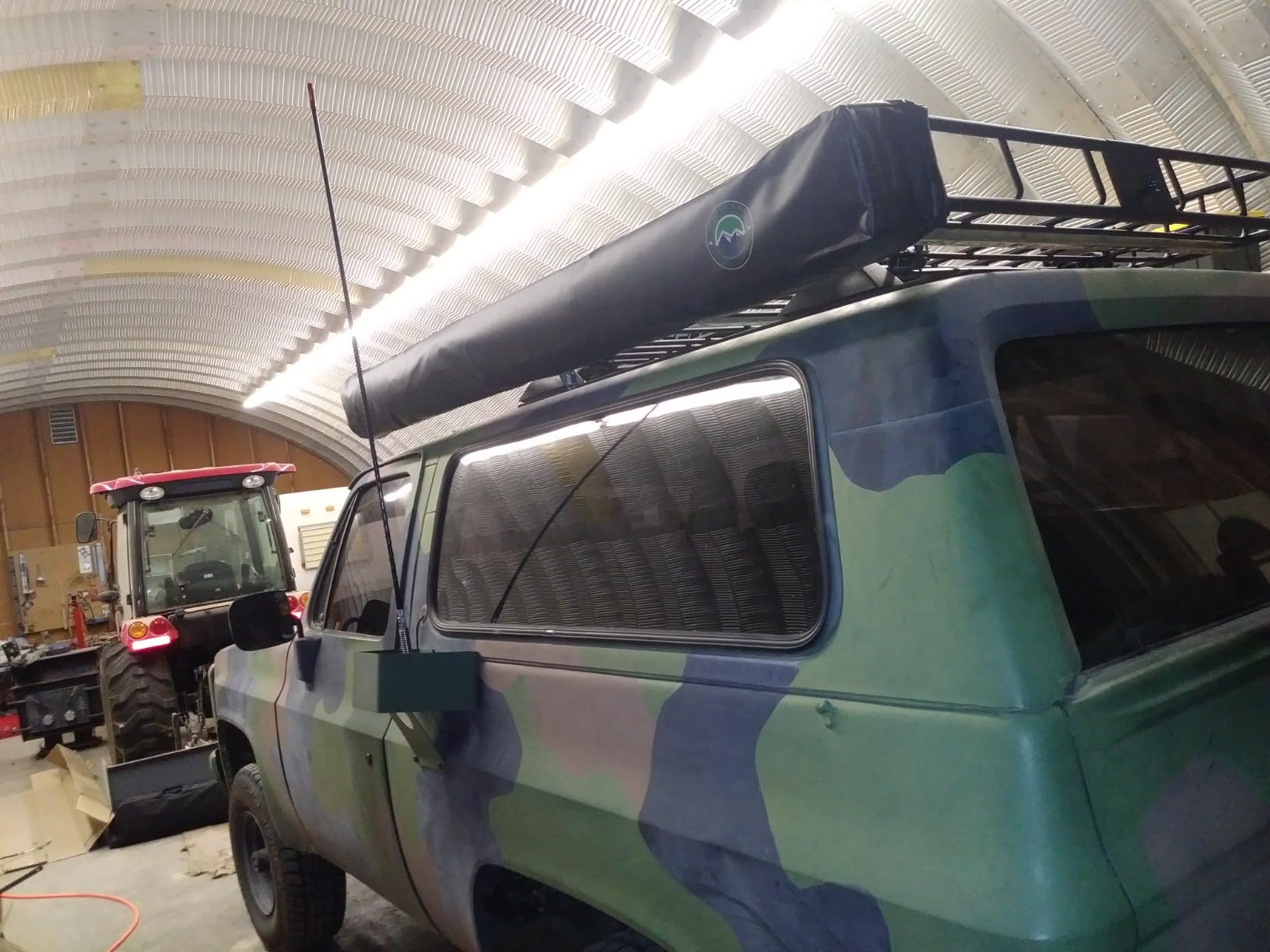
Plan on two people for this one. It is the heaviest unit in the roundup at 84.8 pounds, and that weight is the biggest single reason we like it anyway. The base deploy needs no poles at all, because the reinforced oversized hinges and heavy-duty rafters hold the frame out on their own. You pull, you walk to the corner, you clip, and the shade is up.
Coverage is the headline. At 129 square feet of passenger-side shade, this sits in the top tier for footprint in the roundup, and the extra area is exactly what a family of four needs for a chairs-and-table living room next to a four-person rooftop tent. The fabric is 280G poly-cotton ripstop with heat-sealed seams, which is the specification we want to see in sustained rain rather than a light shower.
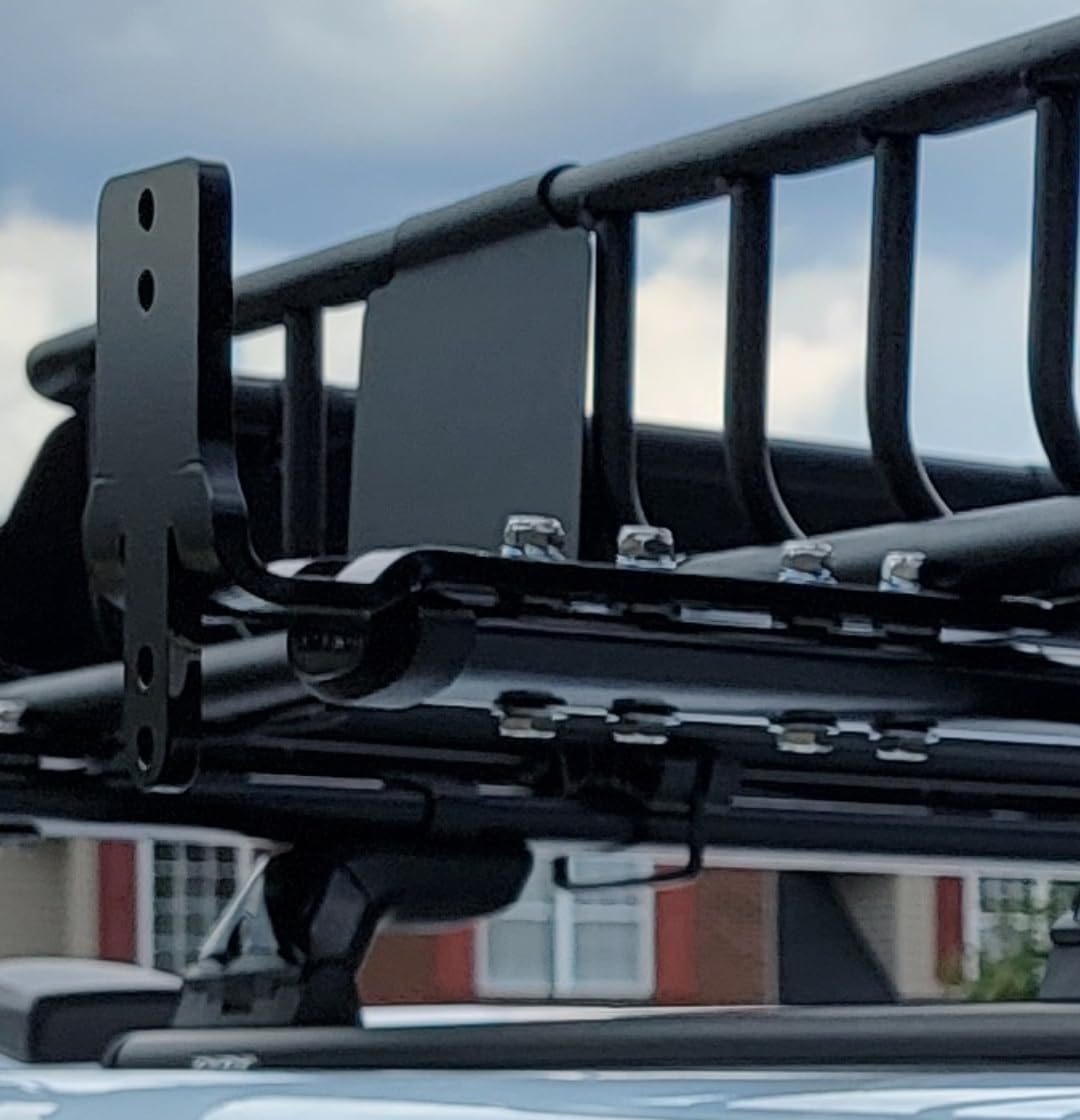
The three pivoting aluminum poles are what separate this from a generic pull-out. They deploy from the frame and lock at height with a quick-lock system, no tools, which turns a shade structure into something you can leave standing through a shower. Owners also praise how quietly the heavy canvas sits on the road at highway speed compared with lighter budget fabrics that rattle.
Three pivoting poles also means more surface area for the wind to load, so the guy-out discipline matters. Run every guy line, keep the pitch sloped toward the low side, and treat this as a fair-weather-to-moderate unit rather than a storm structure.
When the Nomadic 270 is the right call
Pick it if you are running a four-person rooftop tent and you genuinely want usable living space beside it rather than a strip of shade over the ladder. It is also the right answer for desert basecamp trips, where dropping from direct sun to shade is the difference between cooking and not cooking.
It is one of two models here big enough to make a family setup feel like a campground instead of a campsite. If you plan to spend real hours under it rather than brushing your teeth in the rain, the coverage pays for itself in use.
When the Nomadic 270 is the wrong call
Skip it if your roof rack is already near its dynamic limit with a hard-shell tent up, or if you load and unload solo. Eighty-plus pounds of awkward lift is a real problem, and the manufacturer warranty listing on this item is inconsistent with the four-year claim in the feature copy, so read the fine print before you rely on it.
It is also the wrong pick for a small 2P mini rooftop tent. You will end up with more shade than you need and a lot more weight than you want on the roof.
2. ALL-TOP 6.6 x 8.2 Pull-Out Awning Review: Best Accessory Ecosystem
ALL-TOP Vehicle Awning 6.6’x8.2′ Roof Rack Pull-Out Sun Shade UV50+, Weatherproof 4×4 Side Awning for Camping & Overland (Hardware Included)
About 54 sq ft of shade
PU 10000mm waterproofing
4ft to 7ft height
10.95 kg stowed
Pros
- Sets up and packs down in about a minute
- Complete hardware kit with brackets stakes ropes and wrenches
- PU 10000mm waterproofing with UV 50+ protection
- Side walls front wall and awning room all sold as add-ons
- Six size variants from 30 to 82 sq ft
Cons
- Plastic pole hinges instead of metal hardware
- Fabric feels thin next to premium overland awnings
- Roof-basket mounting hardware may need modification on crossbar-only racks
- The larger 6.6 x 8.2 size is trickier solo
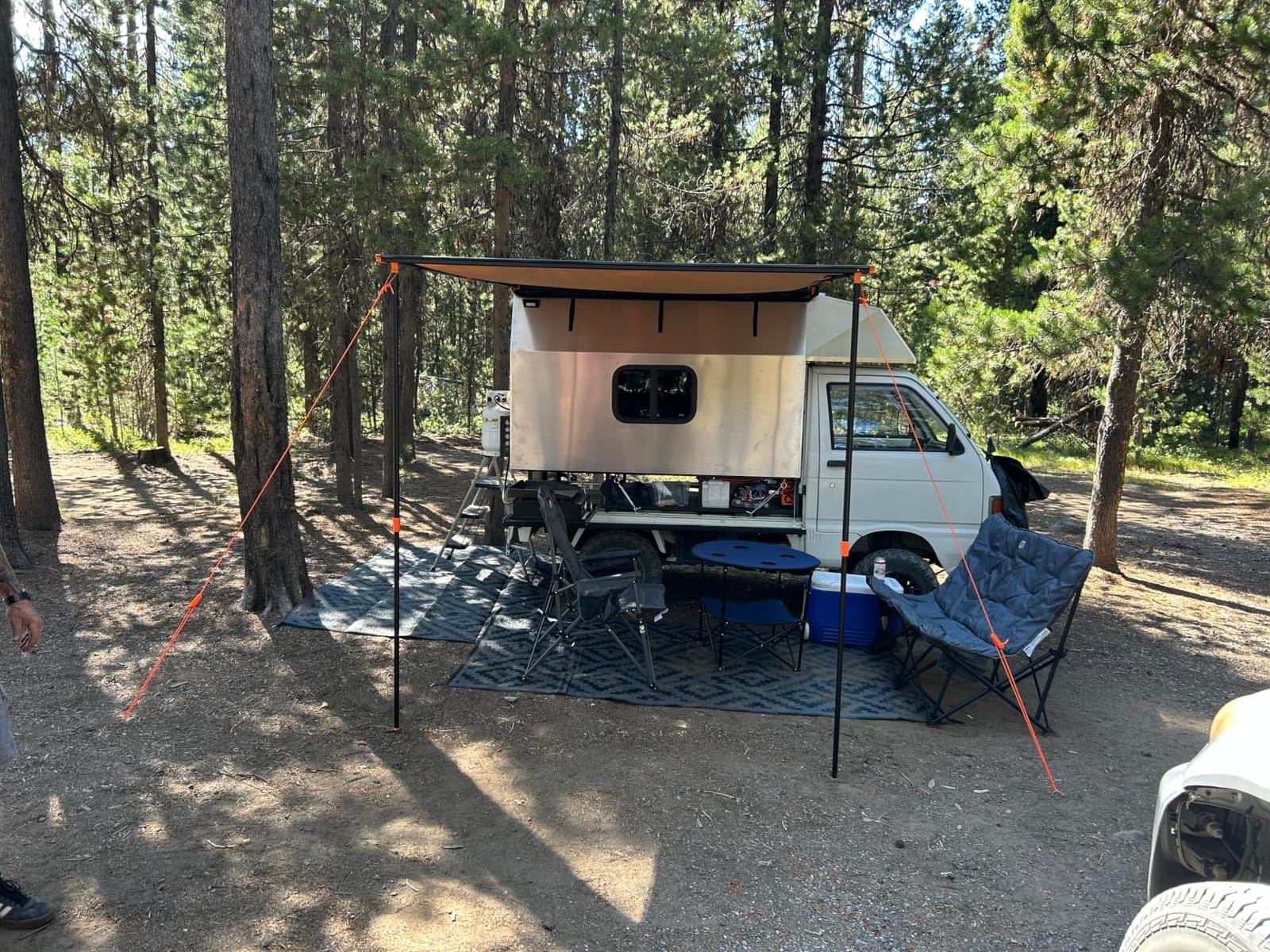
The ALL-TOP is the awning we keep recommending to people who want a full camp kitchen, not a tarp. The side walls, the front wall and the awning room are all designed to bolt onto this specific frame, so the upgrade path is a real path rather than a guess. That matters more for a rooftop tent owner than the raw shade number, because enclosed space next to a tent is the whole point.
Specification-wise it punches above its tier. The 280GSM polyester-cotton ripstop carries PU 10000mm waterproofing and UV 50+ protection, a top-tier waterproof figure in the roundup and one of the reasons we rank it so high on value. The telescopic twist-lock frame adjusts from 4ft to 7ft, and owners report setting and packing it in about a minute.
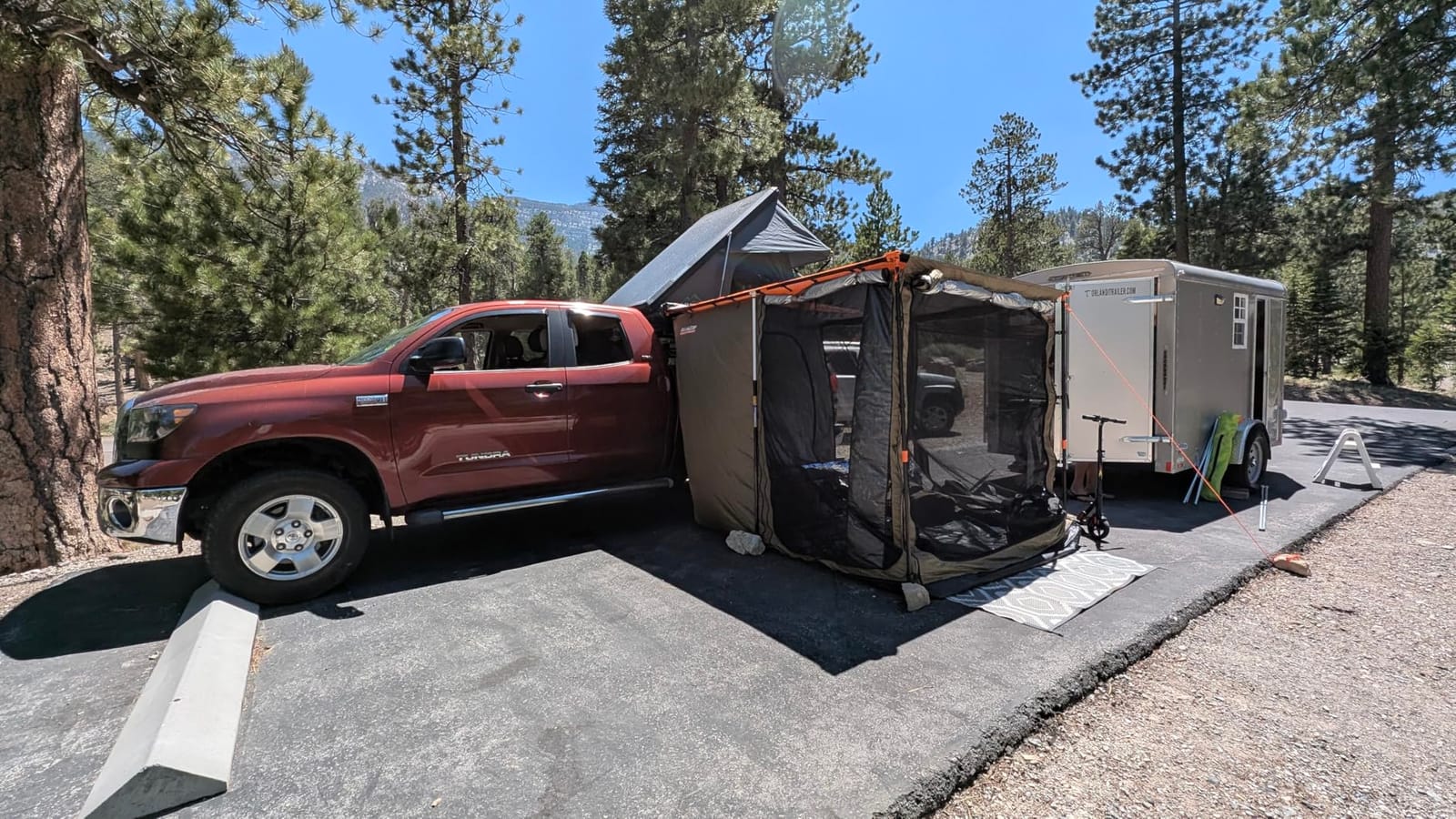
The hardware kit is unusually complete for this class. Reflective wind ropes, L-brackets with backing plates, ground stakes, wrenches, bolts and nuts are all included in the box, and the stowed package lives in a 1000D PVC weatherproof bag. For someone building a first awning setup, nothing else here hands you fewer reasons to make a second hardware run.
The weak point is the hardware itself. The pole hinges are plastic rather than metal, and that is the first thing that worries anyone who has seen a bent bar and a torn mounting plate after a 25-35 mph gust event, as one reviewer reported. Sloped for runoff and guyed out with every rope, it holds; pitched flat and unbraced, it asks more of the hinges than they were built to give.
When the ALL-TOP is the right call
Choose it when you want to grow into an enclosed kitchen area. Because the side walls and room attach directly to this frame, you are buying a platform rather than a one-off shelter, and the smaller 30 sq ft and 38 sq ft variants let a couple of smaller tents scale down.
The setup is genuinely quick, and with the hardware in the box there is nothing else to buy before the first trip.
When the ALL-TOP is the wrong call
Pass if you are running a large hard-shell rooftop tent and need serious crosswind resistance, because a leg-supported plastic-hinged frame is not the structure you want exposed. Also skip it if your rack is a bare crossbar setup and you are not willing to modify the basket hardware.
Buyers who wanted a heavy-duty basecamp frame and ended up disappointed by the fabric weight are the most common complaint pattern, and it is worth weighing before you commit.
3. VEVOR 6.6 x 8.2 Roof Rack Awning Review: The Lowest-Cost Way to Start
VEVOR Vehicle Awning 6.6’x8.2′ Roof Rack Pull-Out Sun Shade UV50+ PU3000mm, Retractable Weatherproof 4×4 Side Awning for SUV Outdoor Camping & Overland (Hardware Included), w/Waterproof Storage Bag
54 sq ft of shade
280GSM poly-cotton ripstop
19.8 lb stowed
Twist-lock aluminum frame
Pros
- Best-value entry point for 54 sq ft of coverage
- One-minute twist-lock setup with anodized aluminum hardware
- Complete universal mounting kit for racks platforms or baskets
- Very wide variant range including 270-degree and LED models
Cons
- Listing title says PU3000mm while the feature copy claims PU 10000mm
- Build quality feels budget-grade next to premium rivals
- Bulky 19.8 lb pack weight for the size it covers
The VEVOR exists because a lot of rooftop tent owners want shade for one trip a season and cannot justify a premium frame. At 54 square feet of coverage with a 4ft to 7ft telescopic height, it does the basic job well, and the anodized aluminum twist-lock frame means no poles to lose in the grass.
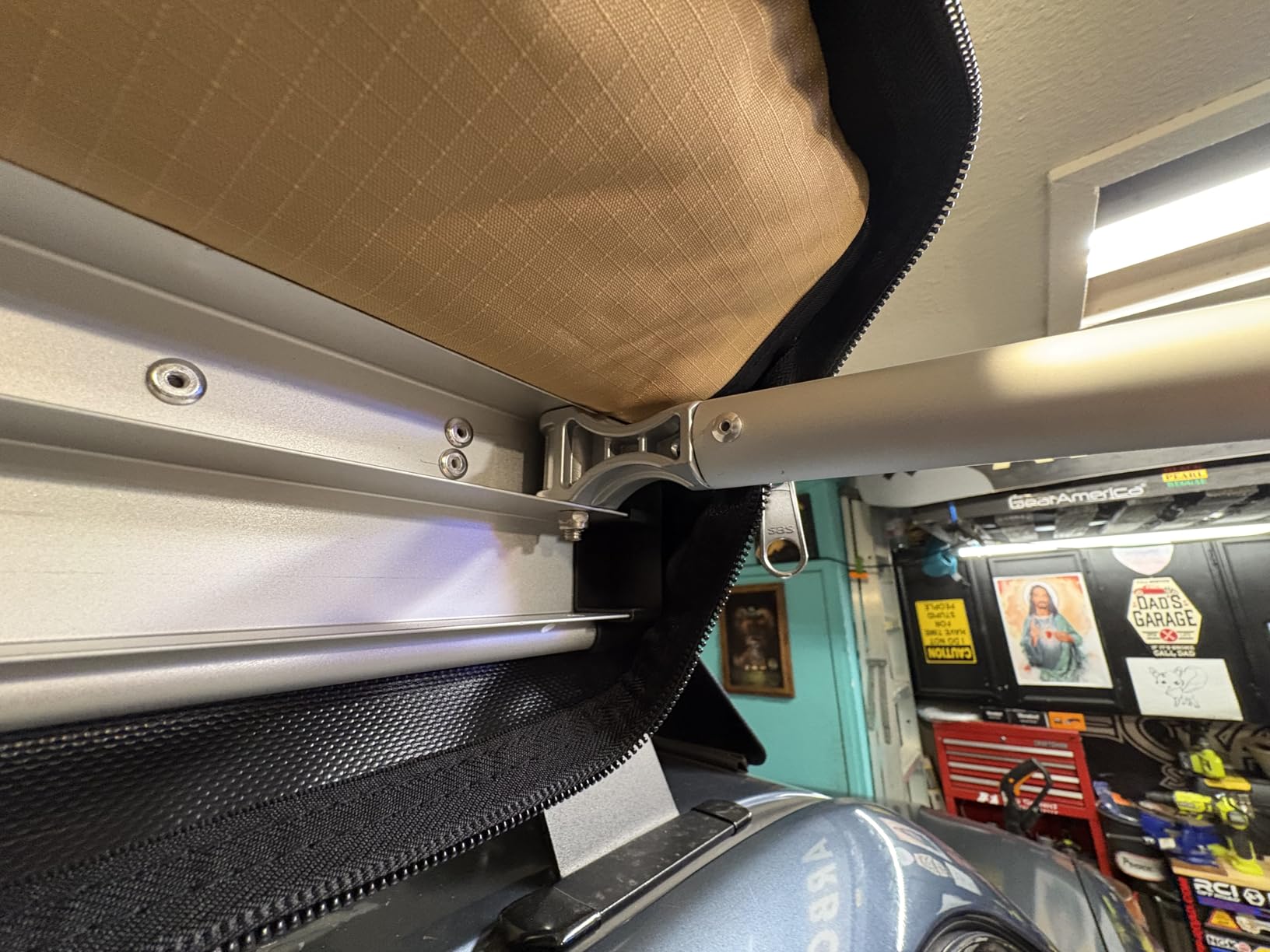
Owners consistently single out the included hardware as the reason they like it. Reflective wind ropes, powder-coated stainless L-brackets with backing plates, ground stakes, wrenches, bolts and nuts are all included, and the 1000D PVC storage bag keeps the whole thing dry between trips. The one-minute setup claim holds up in practice for two people.
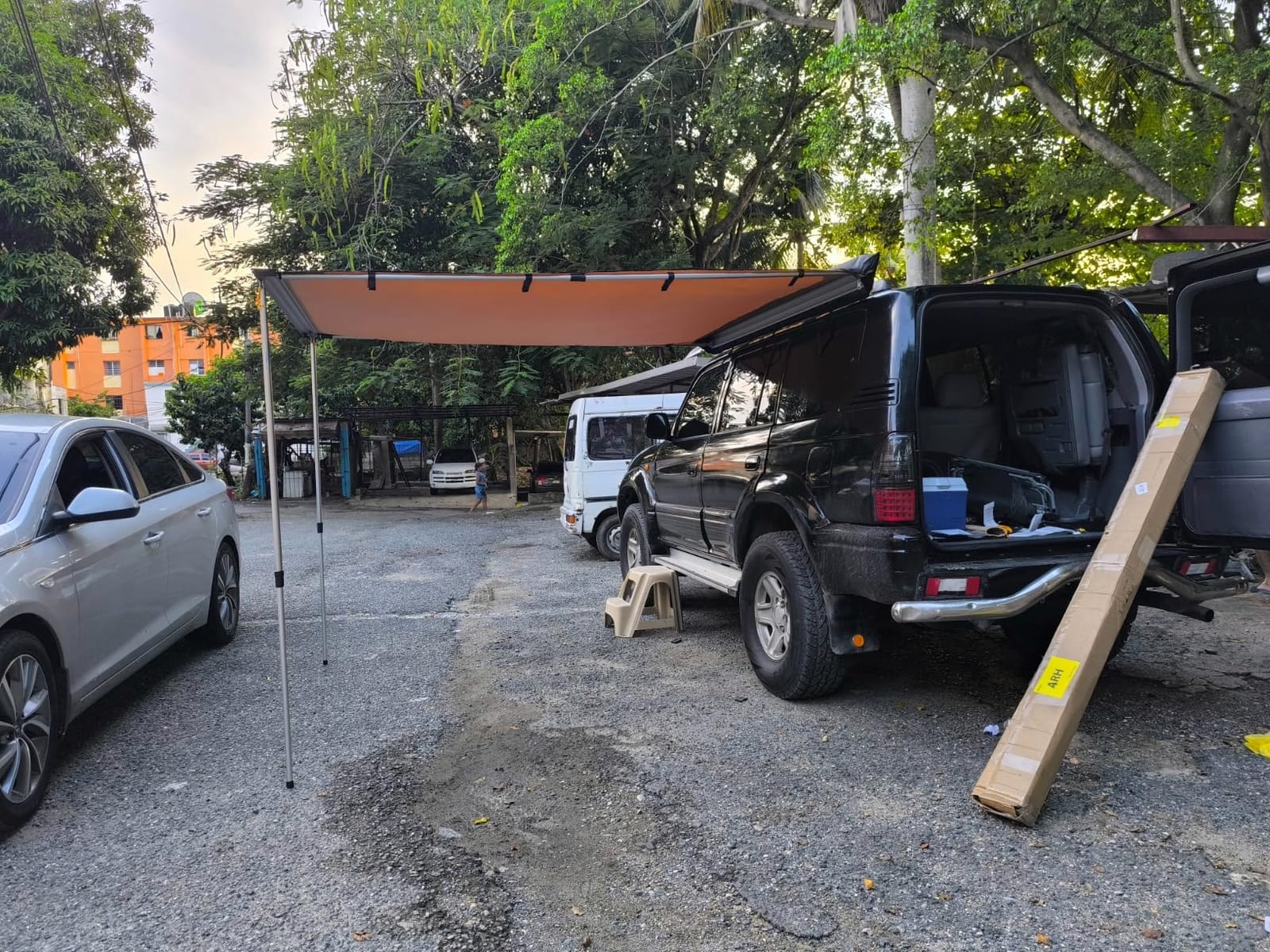
There is a spec inconsistency you should know about before you buy. The listing title says PU3000mm waterproofing while the feature description claims PU 10000mm. Treat the lower figure as the realistic one until you have handled it in real rain, and pitch a slope for runoff regardless.
The variant range is genuinely useful, though. Alongside the 6.6 x 8.2 side awning there are 270-degree 10.5 x 5.3ft and 18.7 x 6.4ft options, a 20 x 6.7ft model, an LED-equipped version and a compact 4.6 x 6.6ft. If your first awning is a stopgap and you think you will outgrow it, the same brand has somewhere to take you next.
When the VEVOR is the right call
It is right for occasional weekend campers, for anyone testing whether an awning belongs in their setup at all, and for smaller rooftop tents where 54 square feet is genuinely more than you need. The 19.8 lb pack weight is easy to load onto a rack solo.
For anyone buying their first awning on a limited budget, the complete mounting kit removes the single most common reason people give up on a first setup.
When the VEVOR is the wrong call
Do not buy it as your main expedition shelter. The fabric and hardware feel budget-grade under load, and the waterproofing claim is contradictory. If you camp in sustained rain or deploy in exposed ground, the price gap to a PU 10000mm unit is worth paying.
It is also the wrong choice beside a large hard-shell tent, where the extra crosswind surface on a leg-supported frame is the last thing you want exposed on a ridge in spring.
4. Timber Ridge 8.2 x 6.5 Camper Awning Review: A 4.4 Owner Rating
Timber Ridge Car Awning Camper Awning 8.2X6.5ft Truck Tent Waterproof PU10000mm UV50+ Rooftop Overland Camping, Retractable Side Tent Shade for Car/SUV/Truck/Van, Beige
53.3 sq ft of shade
PU 10000mm and UV 50+
4ft to 7ft height
24.5 lb stowed
Pros
- 4.4 star owner rating with a large five-star share
- PU 10000mm waterproofing and UV 50+ in a mid-tier package
- Adjustable 4ft to 7ft height with three-sided ventilation
- Silver-plated coated aluminum frame resists rust
Cons
- Heavier than most budget side awnings at 24.5 lb
- Only a 1-year manufacturer warranty
- Included stakes and hardware are considered basic
The Timber Ridge is the one we would hand to someone who asked for one awning and did not want to think about it again. Complaints in the review data are about weight and the length of the warranty, not about whether it works in the field, which is the clearest signal of a product that simply does its job.
Coverage is 53.3 square feet from an 8.2ft by 6.5ft set-up size, with an adjustable height range from 4ft to 7ft so you can open it up for standing room or drop it low for a windier pitch. The fabric is rated PU 10000mm with UV 50+ protection, which puts it in the top tier for waterproofing in the roundup.
Three-sided ventilation is the detail we did not expect to care about and ended up caring about a lot. It means the awning stays usable as a cooking shelter in the heat rather than becoming a sweat box, which is exactly what you want when the tent is on the roof and the sun is coming down on a metal roof panel all afternoon.
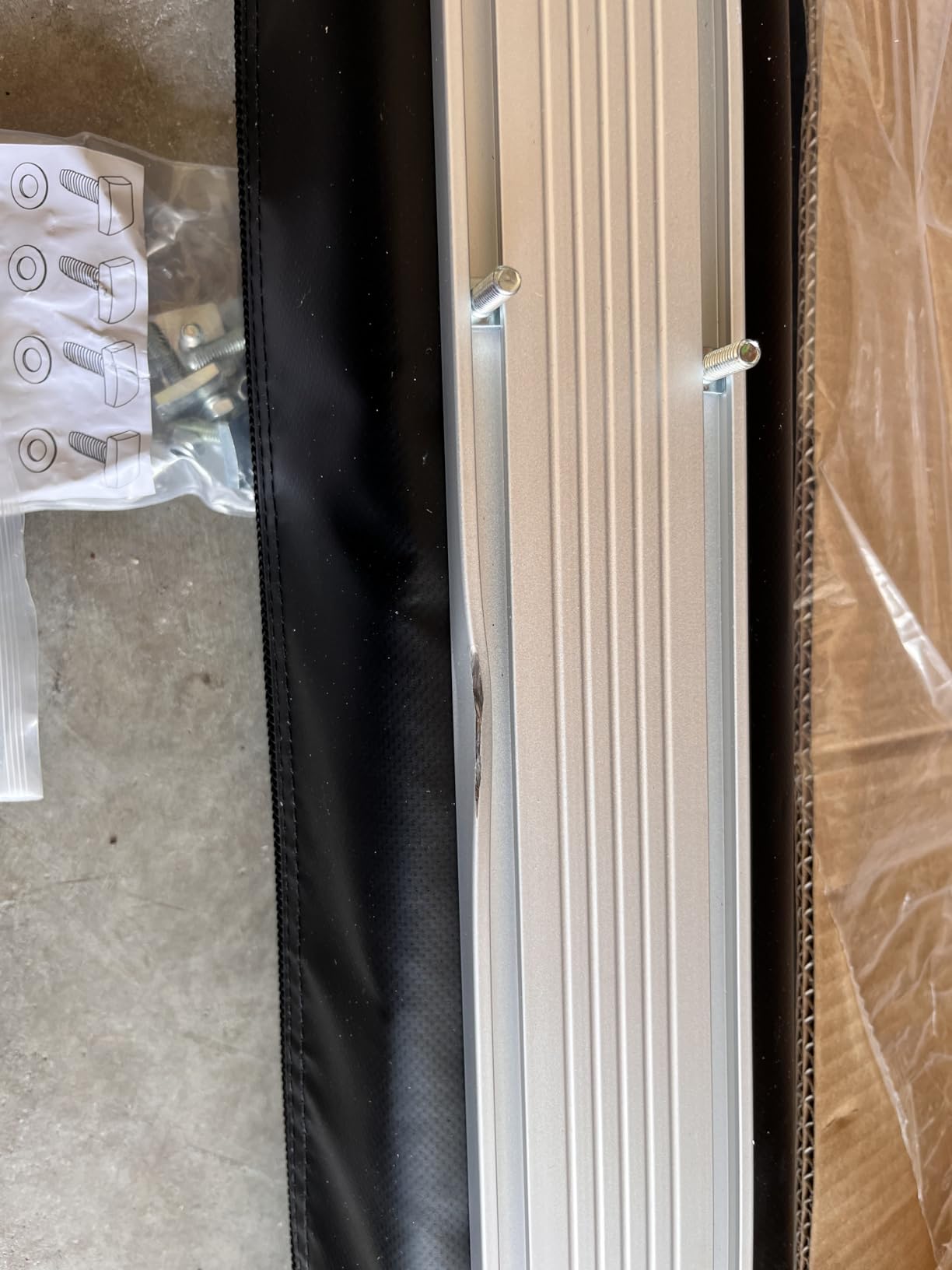
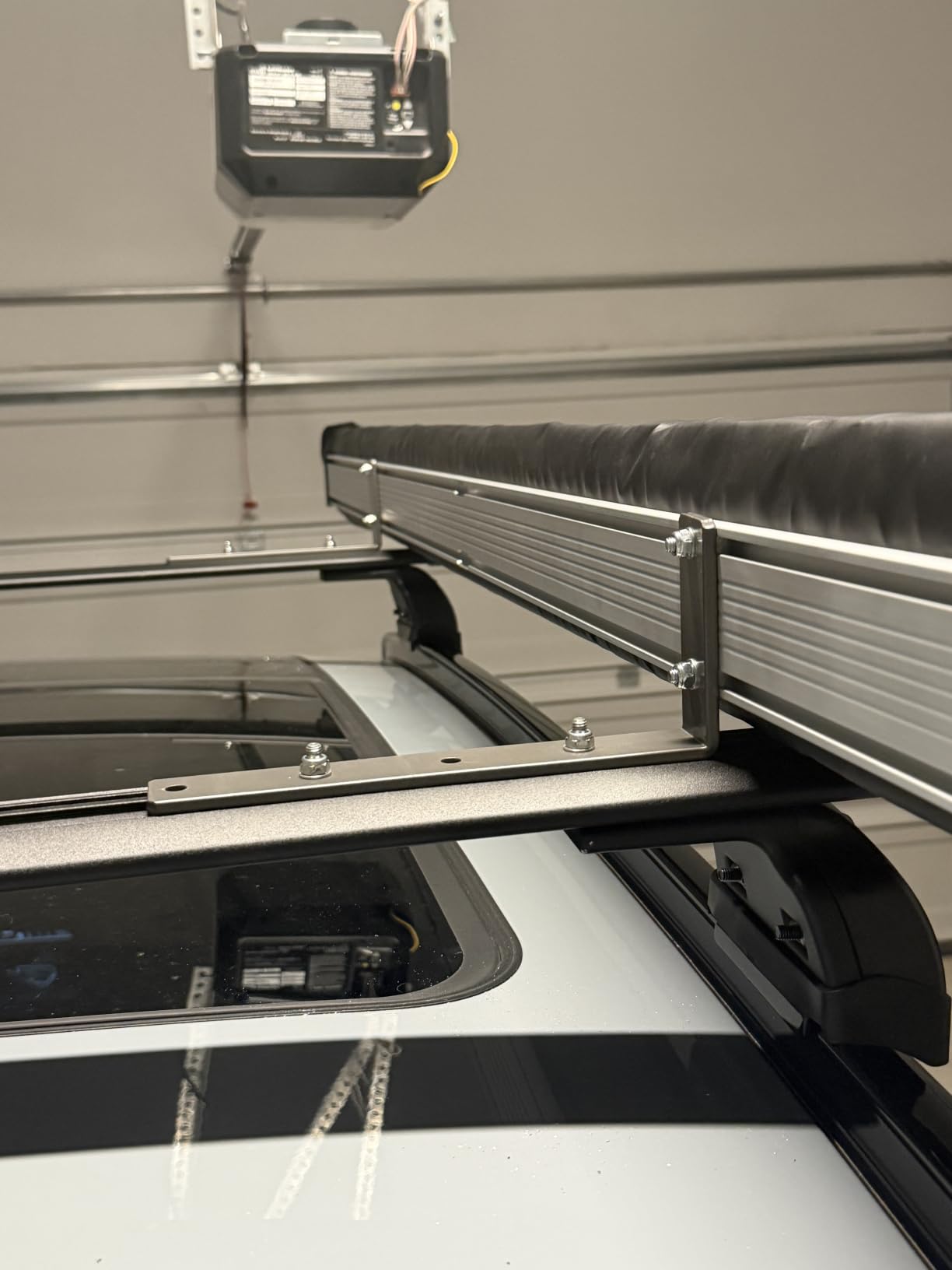
The aluminum frame carries a waterproof silver-plated protective coating against rust, and the whole package stows in a weather-resistant PVC bag with four guylines and four heavy-duty stakes. Installation is a bracket-and-bolt job that most people finish in an afternoon.
When the Timber Ridge is the right call
It fits couples and solo campers who want a dependable kitchen shelter with real weather resistance and no learning curve. For anyone who camps in the rain, the PU 10000mm rating removes the biggest argument against budget-class awnings.
It also works well as a shade structure for tailgates and beach parking where you want airflow. The three-sided venting keeps it livable in the desert heat that turns a solid awning into an oven.
When the Timber Ridge is the wrong call
It is not the right tool for a family basecamp. At 53.3 square feet it does not give a group of four enough room to sit comfortably beside a four-person rooftop tent, and the 24.5 lb weight is on the heavy side for what you get.
The one-year warranty is the other reason to look elsewhere. If you run gear hard across multiple seasons, a longer warranty is worth something real.
5. OVS Nomadic 180 Awning Review: Best All-Weather 180
OVS Nomadic 180 Awning – Dark Gray with Black Travel Cover – Universal
88 sq ft of coverage
280G poly-cotton ripstop
50 lb stowed
One-man deploy
Pros
- High owner rating of 4.6 for a 180-degree unit
- One-man operation with no poles needed for the base deploy
- Heat-sealed seams in 280G poly-cotton ripstop cut leak risk
- Three pivoting poles add severe-weather capability
- Stows in minutes in the included 1000g PVC cover
Cons
- Heaviest item in its class at 50 lb
- Priced well above generic side awnings with similar coverage
- Full basecamp weather protection needs the optional enclosure
Where the Nomadic 270 is about coverage, the Nomadic 180 is about simplicity. It swings straight out from one side, deploys one-handed with no poles required, and still gives you 88 square feet of shade. For most rooftop tent owners that is the more useful shape, because a single-sided canopy presents far less surface to a crosswind than a batwing does.
The fabric is the same 280G poly-cotton ripstop with heat-sealed seams used on the 270, and the three pivoting aluminum poles with a quick-lock system deploy for serious weather when the base deploy is not enough. The reinforced oversize hinges and heavy-duty rafters are what let it stand unsupported in the first place.
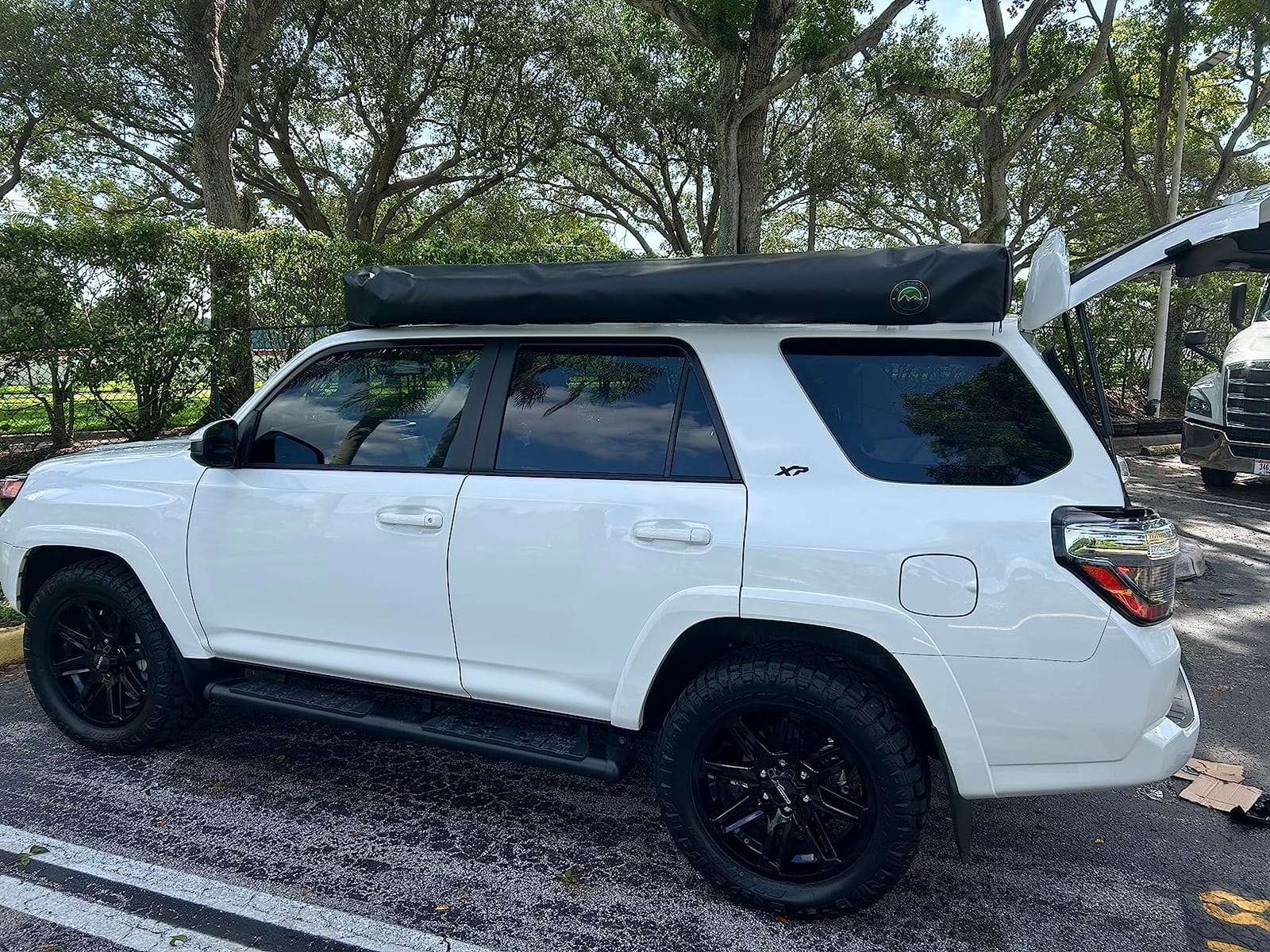
Owners describe the deploy as fast enough to finish while holding a coffee, and they report that the canvas stays quiet on the road. Very few reviews in this roundup focus on function at all, which tells you how little this thing generates complaints. The travel cover is 1000g PVC, and the whole unit folds down in minutes.
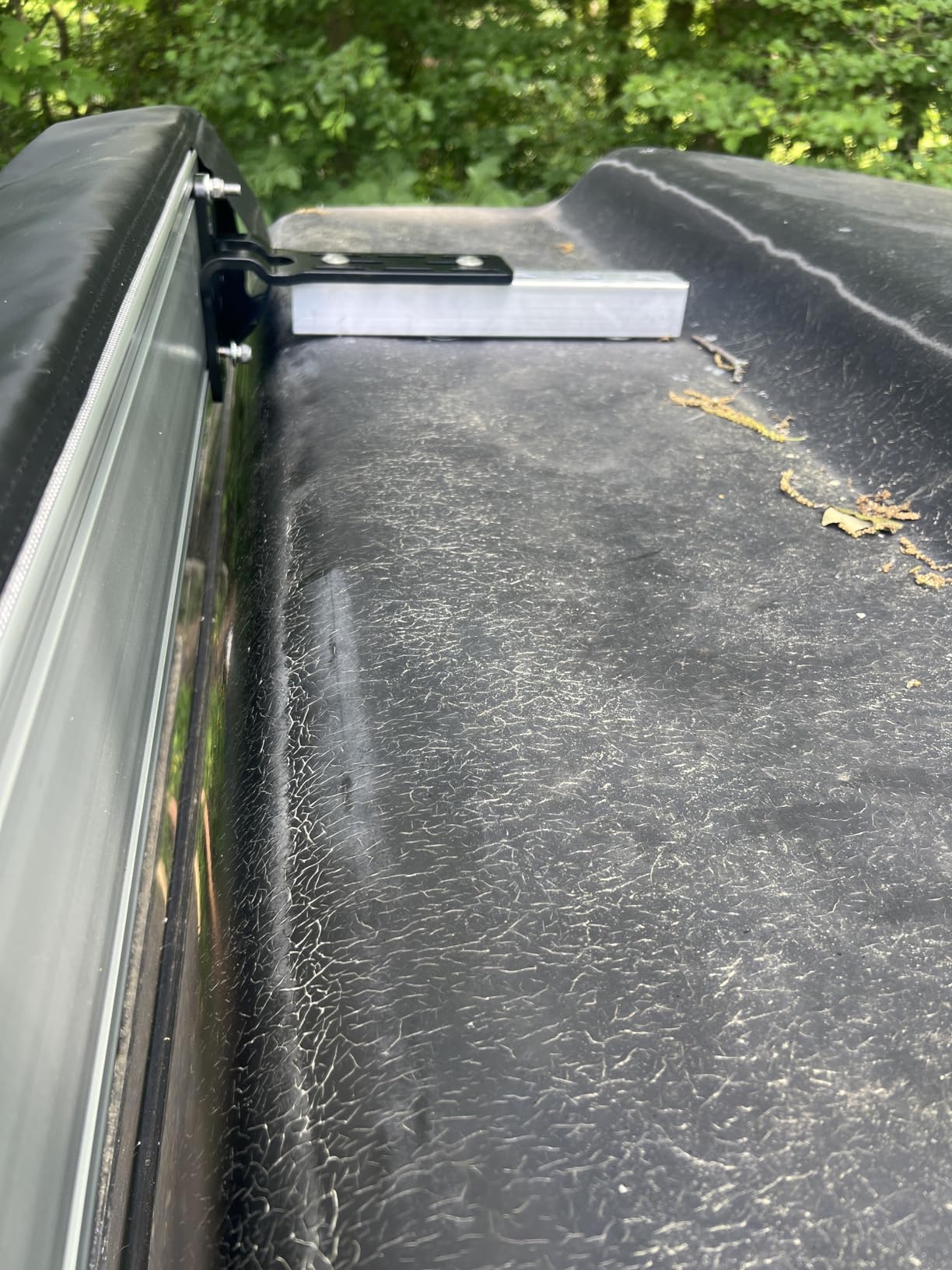
Wind behavior is the reason to pick the 180 over a 270. One flat face is easier to guy out, easier to pitch at an angle and easier to leave standing than a wraparound frame with two exposed corners. It is still not a storm shelter, and the optional enclosure shelter is the piece that turns it into one.
When the Nomadic 180 is the right call
Choose it if you camp in exposed ground, on ridges, or anywhere wind is the deciding factor. A one-sided deploy with poles available on demand is a far calmer structure than a batwing at the same footprint.
It is also right for a couple or a solo camper who wants a big, quiet, quick-deploy shade panel and does not need enclosed space. The one-man operation matters when you are tired and it is raining.
When the Nomadic 180 is the wrong call
Fifty pounds is heavy for the coverage you get, and it is the heaviest unit at 180 degrees here. If your roof rack is already loaded with a hard-shell tent and a cargo box, this is a lot of added mass for one flat panel.
It is also the wrong call if you want a kitchen room or privacy. Without the optional enclosure, you have shade and nothing else, and the accessory adds cost most people are trying to avoid.
6. Rhino-Rack Batwing Awning Review: Nothing Left to Buy on Setup Day
Rhino Rack Batwing Awning
118.5 sq ft over 270 degrees
210D P/OX at PI 2000mm
47 lb stowed
Powder-coated frame
Pros
- Large 118.5 sq ft of 270-degree coverage
- Kits out with 10 pegs 8 ropes 2 brackets and spare hinge knuckles
- Deploys and packs within minutes by folding out the arms
- Replaceable hinge knuckles extend service life
Cons
- 4.1 average sits below the premium units in this group
- PI 2000mm waterproof rating sits well below the PU 10000mm rivals
- Heavy at 47 lb with a 98-inch packed footprint
- Side walls extensions and floor all sold separately
The Batwing is the kit we would hand someone who wants nothing else to buy on setup day. Ten pegs, a peg bag, two multi-fit brackets with hardware, two spare hinge knuckles, eight ropes, the awning itself, fitting instructions and a 580Gsm PVC bag. Everything is in the case. That completeness alone justifies a lot of the weight.
Coverage is 118.5 square feet across 270 degrees, which is enough to shade the tailgate and one full side. The frame is powder-coated for rust resistance, and the molded foot on the adjustable legs makes staking straightforward. The replaceable hinge knuckles with two spares included are a genuinely thoughtful detail given how often hinges are the failure point.
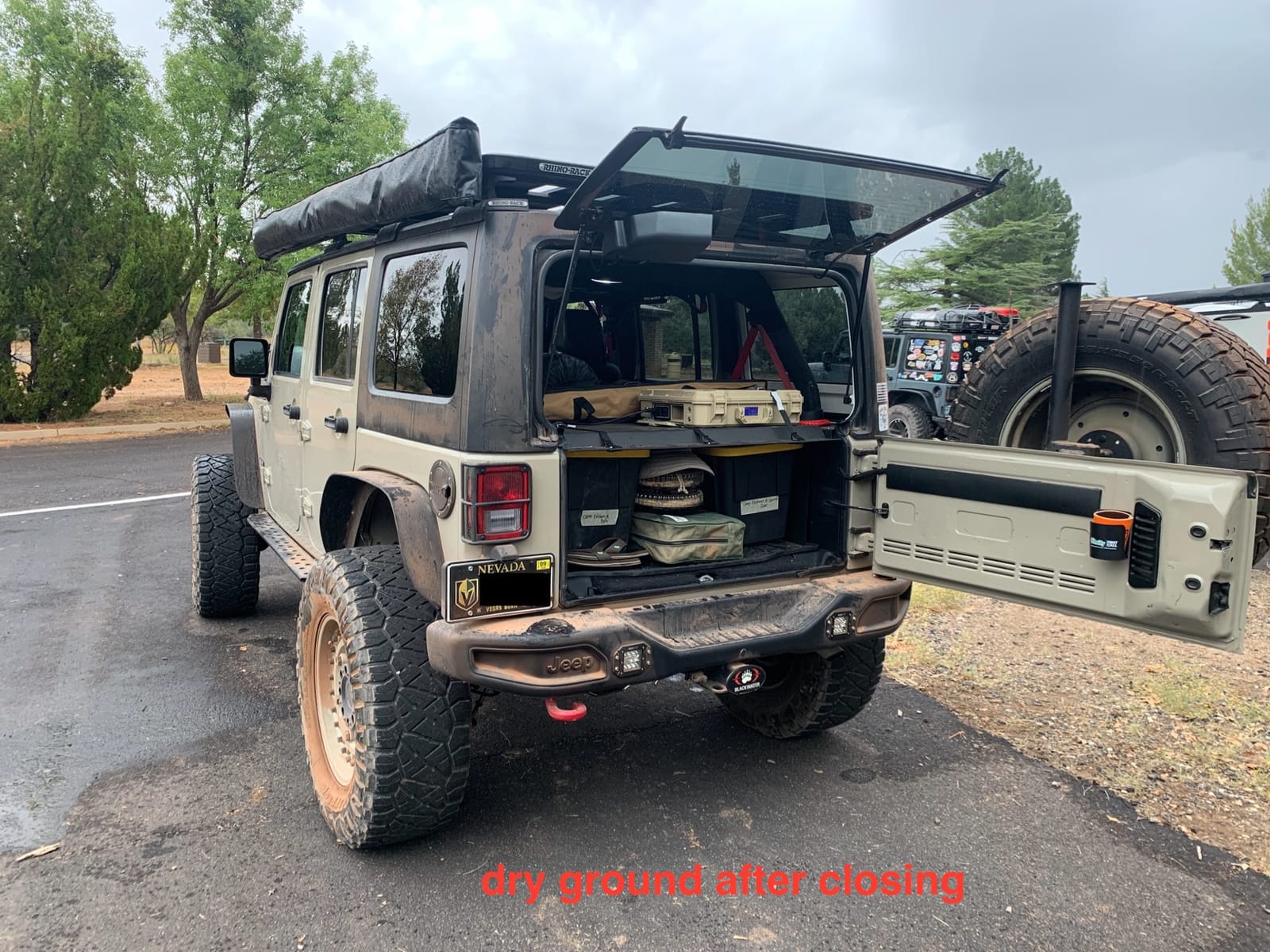
Where it loses ground is fabric. At 210D P/OX with a PI 2000mm rating and UPF 50+, it sits toward the light end of the fabrics tested here and it shows in sustained rain. The reviewers who rate it lowest are almost all talking about waterproofing expectations, not about the frame or the deploy.
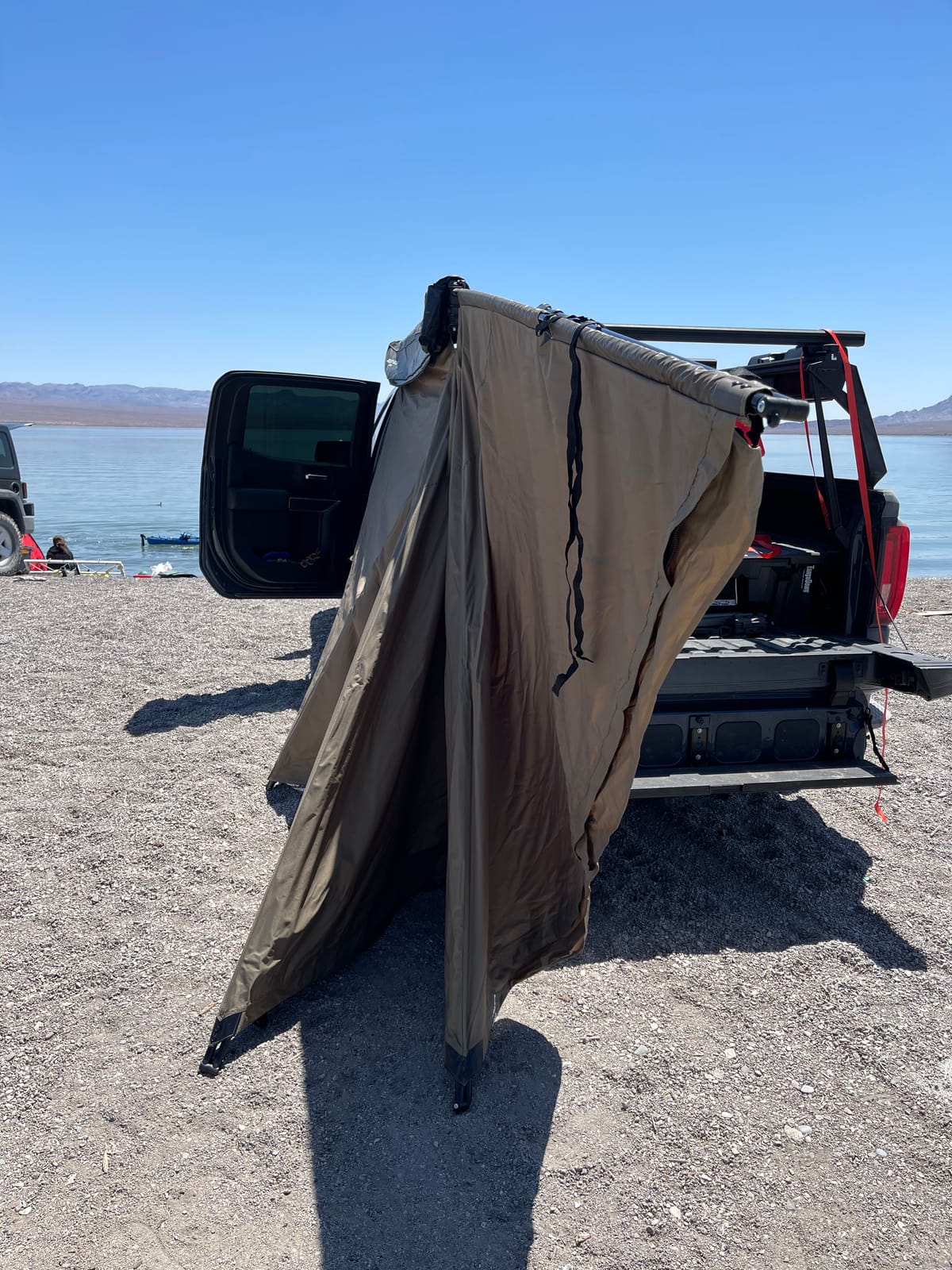
Compatibility is broad: Pioneer platforms, Rhino-Rack and Thule crossbars, with a fit kit possibly required depending on your bar. Both hand variants are made, and extensions, side walls and a floor are available separately for people who want to close it in.
When the Batwing is the right call
It is the right pick for someone who wants tailgate shade and already owns Rhino-Rack or Thule hardware. The multi-fit brackets and the spare hinge knuckles mean you will not be ordering parts after the first storm.
For a family that camps at tailgates and game days, 118.5 square feet of 270-degree coverage is a real outdoor living room rather than a sun shade.
When the Batwing is the wrong call
The fabric rating is the honest reason to pass. If your trips are wet multi-day basecamp trips, PU 10000mm fabric is worth the upgrade, and you should not expect a PI 2000mm canopy to keep rain off your cooking area for long.
It is also heavy and bulky to stow, and the expansion accessories are all extra purchases. If you are trying to build a complete shelter on a fixed budget, buying the base unit plus walls gets expensive fast.
7. OVS Nomadic 180 LTE Awning Review: Our Pick at 33.5 Pounds
Overland Vehicle Systems 19609917 HD Nomadic 180 LTE Awning Universal | 59 Sq Ft of Coverage | Dark Gray Fabric with Black Travel Cover Included | Twist and Lock Technology | Heat-Sealed Seams
59 sq ft of coverage
280G poly-cotton ripstop
33.5 lb stowed
No poles for base setup
Pros
- Four-year limited warranty on the fabric and frame
- Fast solo setup and pack-down with no poles needed
- Owners report it holds up in wind rain and difficult weather
- Heavy-duty hinges with thick canvas that stays quiet on the road
- Compatible with four-season side walls
Cons
- Legs and tie-down kit must actually be used every time
- Listed dimensions of 1 x 1 x 1 inch are placeholders
- Does not include LED lighting despite buyer expectations
- Tie-down strap routing is fiddly until loop mounts are added
This is the awning we would buy for ourselves. It is smaller than the Nomadic 180 at 59 square feet, but the fabric is the same 280G poly-cotton ripstop with heat-sealed seams, the hinges are the same reinforced oversized units, and it carries a four-year limited warranty, matching the longest stated term in this roundup.
Owners describe it as close to set-and-forget. The deploy is fast enough for one person, the thick canvas does not rattle on the road, and the whole thing folds into a 1000g PVC travel cover. A large share of ratings across the review set are five-star, with a very small one-star share.
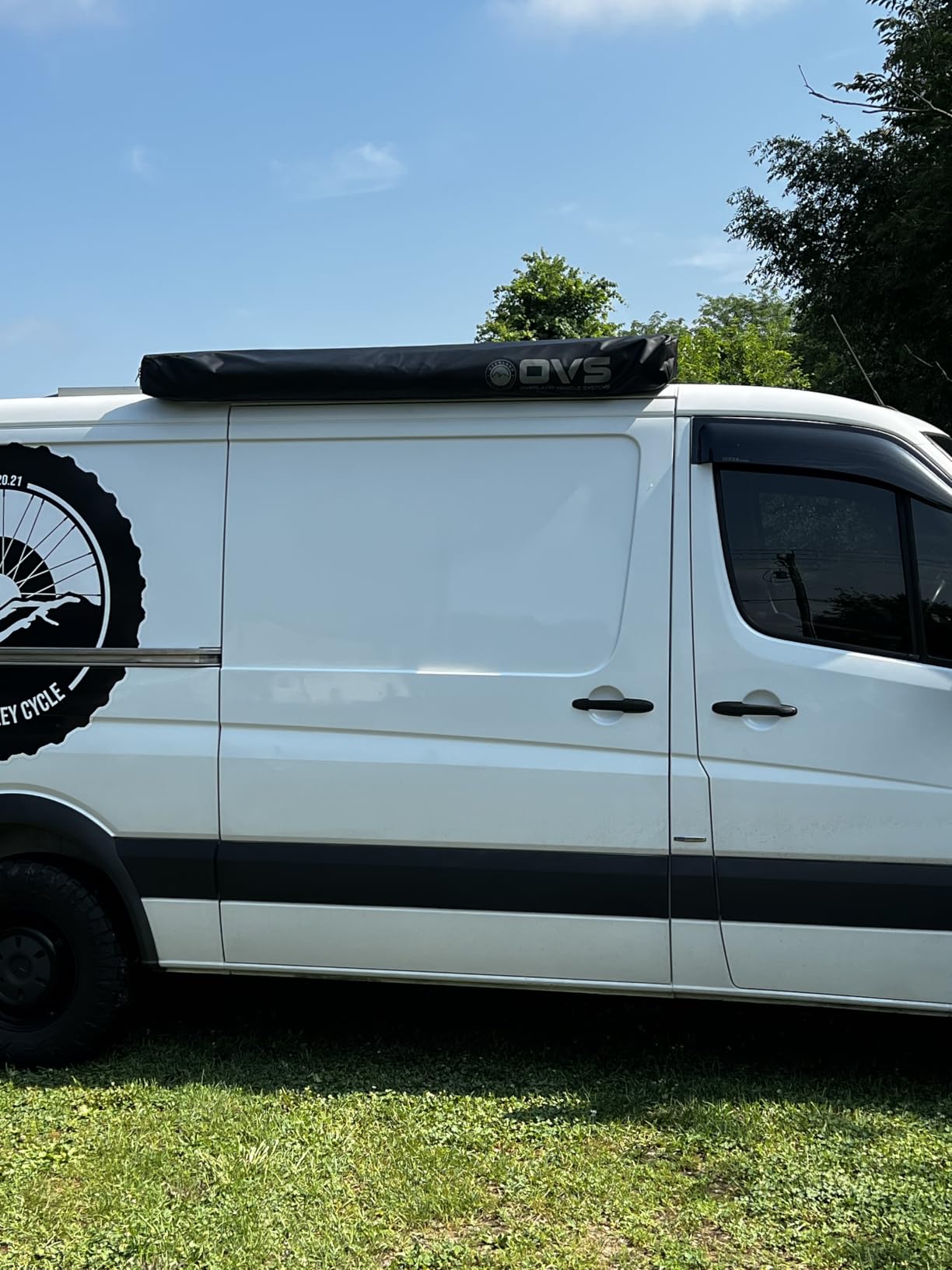
There is one consensus instruction buried in the reviews, and you should follow it without exception. The fabric and frame strength depend on deploying the support legs and the included tie-down kit every single time. Owners who skipped that step and still had the awning up in wind had the worst experiences.
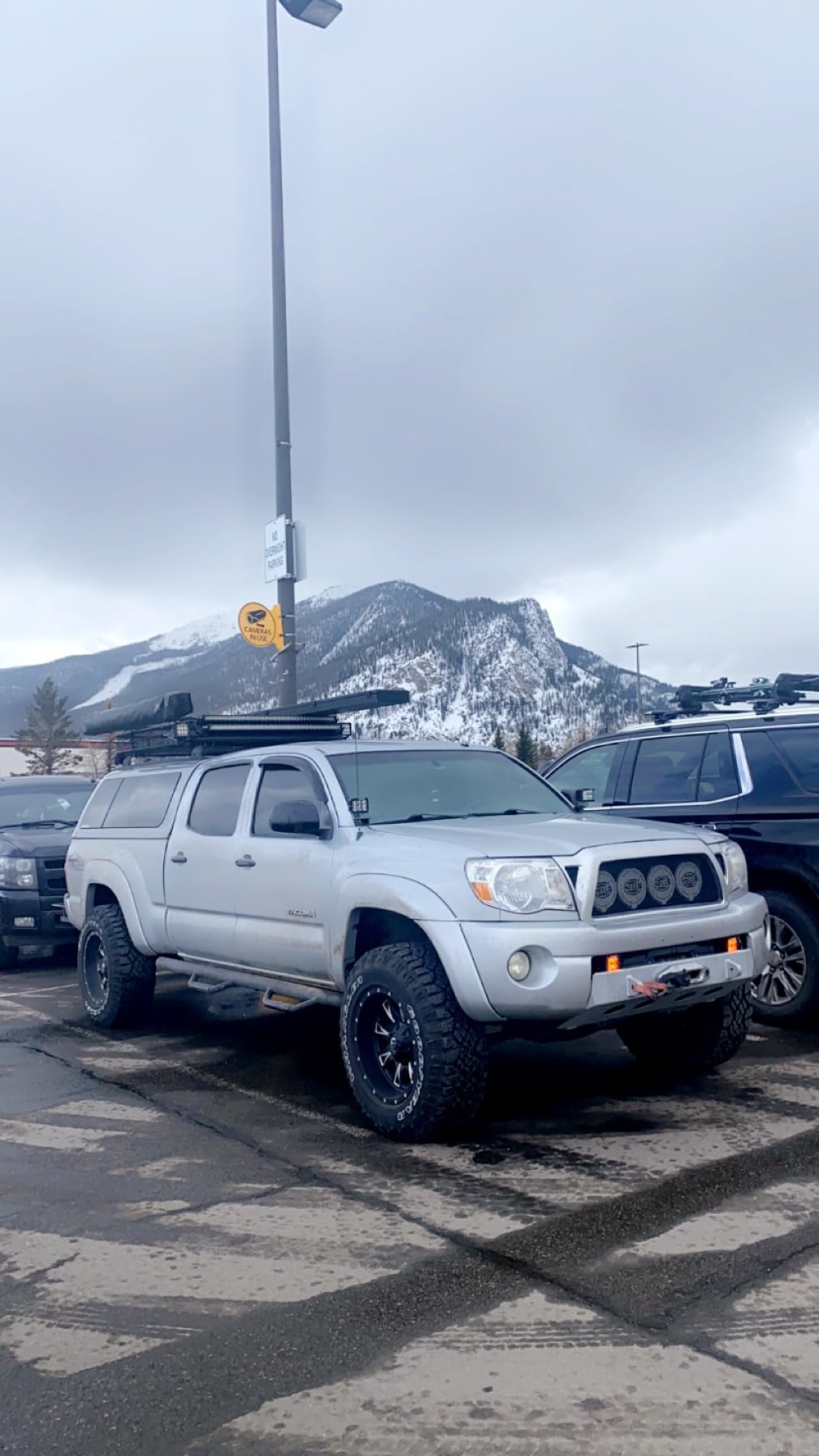
Compatibility with four-season side walls is worth noting if you want an enclosed room later. The listed dimensions on the product page are placeholder values, so measure your case space before you plan the install, and do not expect LED lighting because the photos sometimes suggest it.
When the Nomadic 180 LTE is the right call
It is the pick for anyone who wants an OVS build at a smaller size and a lighter roof load. Thirty-three and a half pounds works out to about two thirds the weight of the full Nomadic 180, which makes it far kinder to a rack already carrying a hard-shell tent.
For a two-person rooftop tent, 59 square feet is genuinely enough shade for chairs, a table and a stove, and the four-year warranty means you can run it hard across seasons.
When the Nomadic 180 LTE is the wrong call
Fifty-nine square feet is not enough for a family of four sitting around a table. If your tent sleeps four and you want to eat with all of them under cover, step up to the larger Nomadic 180 or a 270.
Also skip it if you will not deploy the legs and tie-downs every time. That is not optional for this frame, and the reviews are clear about what happens when people skip it.
8. Sanhima 270 Freestanding Awning Review: Built-In LEDs, Honest Wind Limit
Sanhima 270 Awning Free Standing, 129.2 sq.ft Driver Side Vehicle Awning
129.2 sq ft of 270 coverage
Rated to 18.6 mph
58.1 lb stowed
Built-in LED lights
Pros
- Legless pivot axis hinge means no legs to deploy
- 129.2 sq ft of 270-degree coverage with built-in LED lights
- One-minute single-person setup from the central hub
- 600D double-ripstop Oxford fabric waterproof to 3000mm with UPF 50+
- Powder-coated aluminum alloy arms with stainless hardware
Cons
- 3.8 average with a 12 percent one-star share
- Stated wind limit of 18.6 mph is modest for a freestanding design
- Weighs 58.1 lb
- heavier than most pull-out models here
- This 270 variant mounts driver-side only
Nothing else in this roundup tells you its wind limit, and that honesty is more useful than it first appears. The Sanhima is rated by its maker to hold in winds up to 18.6 mph on its legless pivot axis hinge system. Read that as the number of miles per hour at which a freestanding frame with no legs deployed should be trusted, and treat anything above it as a take-it-down signal.
The convenience is real. One person deploys 129.2 square feet of 270-degree coverage in about a minute from a central hub, and there are no legs to deploy, dig in or trip over in the dark. Built-in daylight white LED lights run in the arms, which makes evening cooking possible without dragging a separate light string.
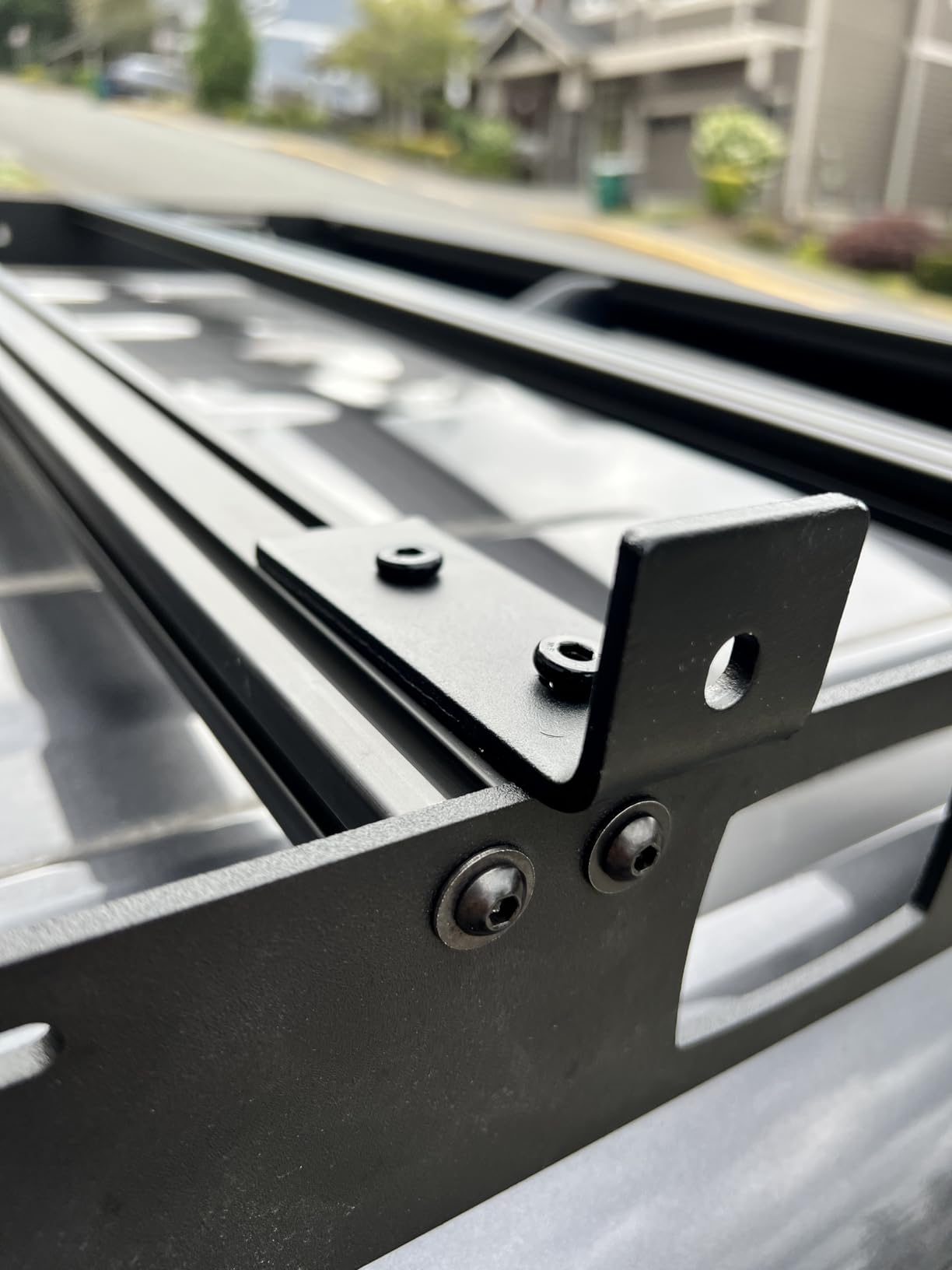
Fabric is 600D double-ripstop Oxford waterproof to 3000mm with UPF 50+, which is a mid-tier figure in this group rather than a top one. The frame is powder-coated aluminum alloy with stainless steel hardware, and the 1680D Oxford travel cover is tougher than most cases in the roundup. Adjustable mounting brackets fit most racks or crossbars, and guy ropes, straps and pegs are included.
The 3.8 average ties for the lowest here, and the 12 percent one-star share is the second-highest of the ten. Buyers split between liking the concept and questioning the execution, and the 18.6 mph ceiling is the honest reason for that split. Treat it as a fair-weather convenience awning, not a basecamp shelter.
When the Sanhima is the right call
It is right for desert and tailgate campers who want wide shade with the least amount of setup work. One person, one minute, 129.2 square feet, and LEDs already built in is a combination nothing else here matches.
If you camp in settled weather and deploy late in the day rather than sitting out a storm front, the freestanding design is genuinely convenient.
When the Sanhima is the wrong call
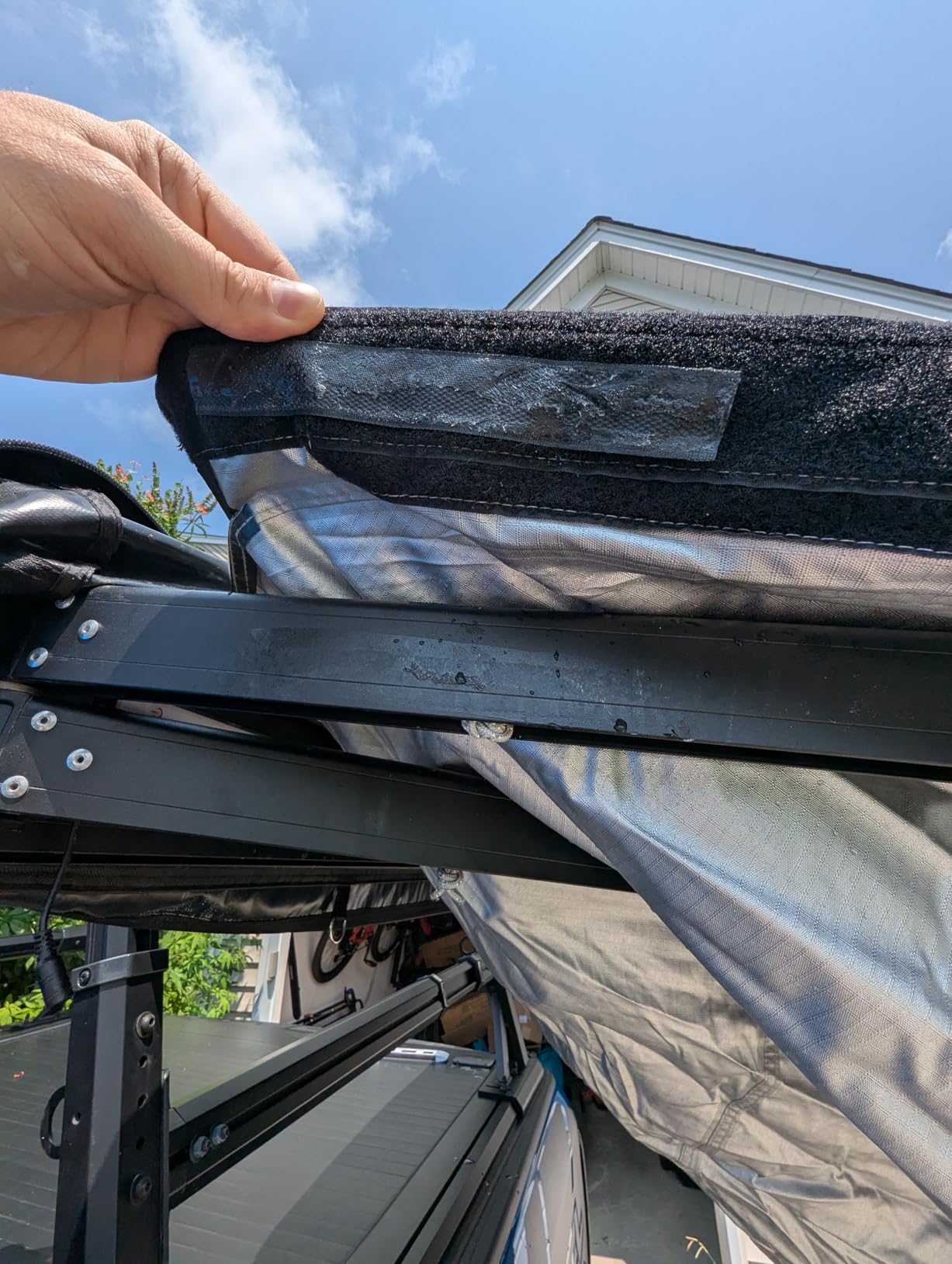
Do not deploy it as your primary shelter anywhere wind is likely. The published 18.6 mph limit is a low bar, and the pivot axis hinge is exactly the component the forum reports fail on other designs under gust front load.
It is also the wrong call for a rig where mounting side matters. This 270 variant mounts driver-side only, so if your rooftop tent entry or your preferred living area is on the other side, you are working around it from day one.
9. Rough Country 270-Degree Awning Review: Steel Frame, Smaller Footprint
Rough Country 270-Degree Awning – Fits Drivers Side, Full Coverage Shade for Trucks, SUVs, and Off-Road Vehicles, Durable, Weather-Resistant
Up to 70 sq ft of shade
600D ripstop canvas
Powder-coated steel frame
44 lb stowed
Pros
- Large five-star share of 84 percent across the review set
- Powder-coated steel framing is stiffer than aluminum rivals
- Deploys in minutes with no legs required for basic use
- Owners report it blocks heat effectively under the canopy
- Universally fits most trucks SUVs and off-road vehicles with racks
Cons
- Up to 70 sq ft is well under the 118 to 129 sq ft other 270s claim
- Only limited warranty terms
- One reviewer received three of four legs missing from the box
- Some owners want more leg braces
The Rough Country takes a different approach from every other 270 here, using black powder-coated steel framing rather than aluminum. That makes it stiffer in a crosswind and heavier on the rack. For a truck that lives on dirt roads, that is a trade most owners in the review set are glad they made.
Coverage is the compromise. At up to 70 square feet of 270-degree wrap, this is a compact 270 by comparison with the 118 and 129 square foot units. It still shades the tailgate and one side, and owners report it blocking heat effectively enough to keep the area underneath noticeably cooler, but it is not a family dining room.
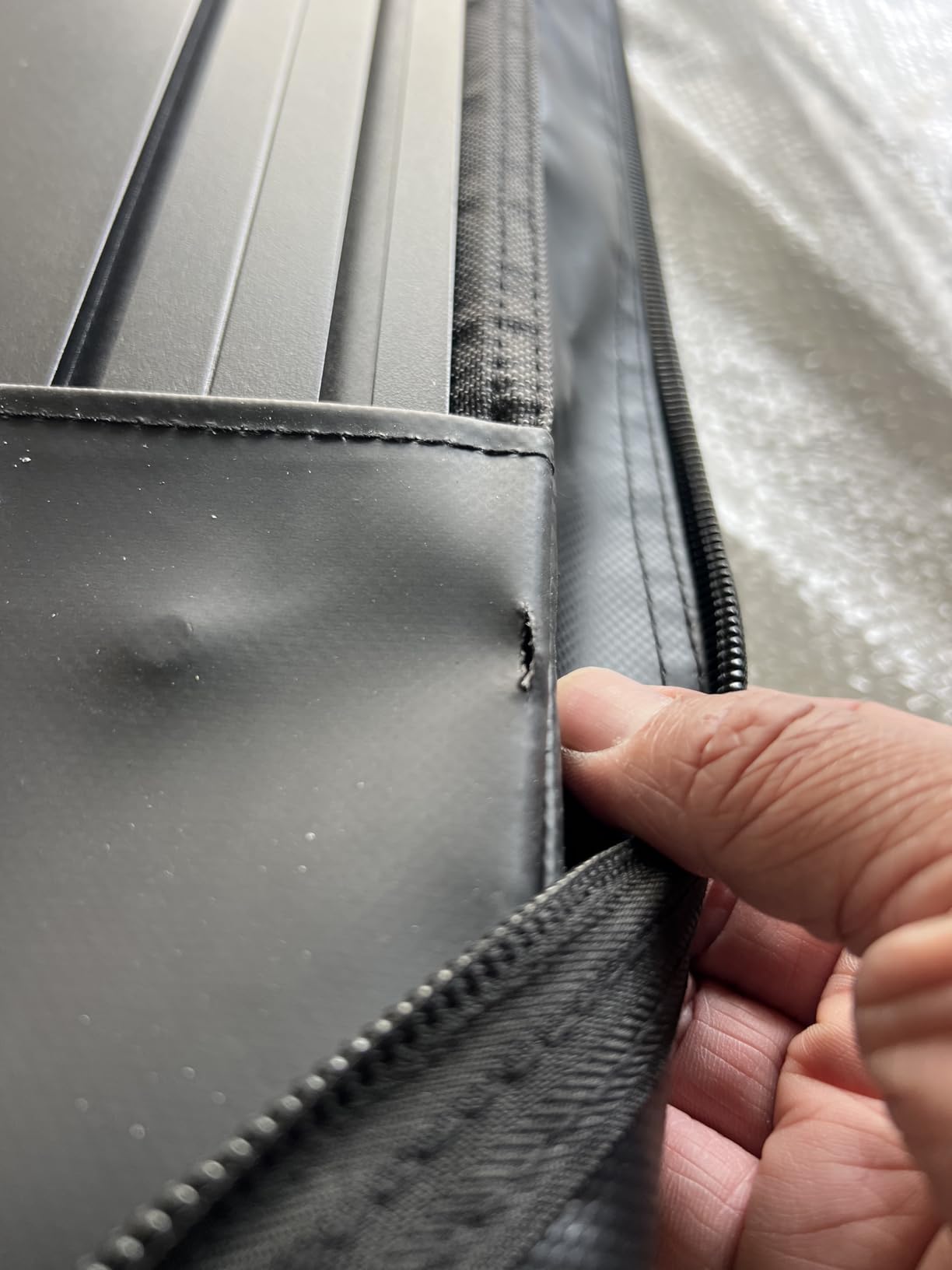
The box contains an 80 by 74 inch awning canvas, the steel framing, a telescopic aluminum pole that runs 52 inches collapsed to 94 inches extended, a rope ratchet and a black PVC storage cover. The rope ratchet is an older and very effective way to tension fabric in wind, and it is worth learning if you have never used one.
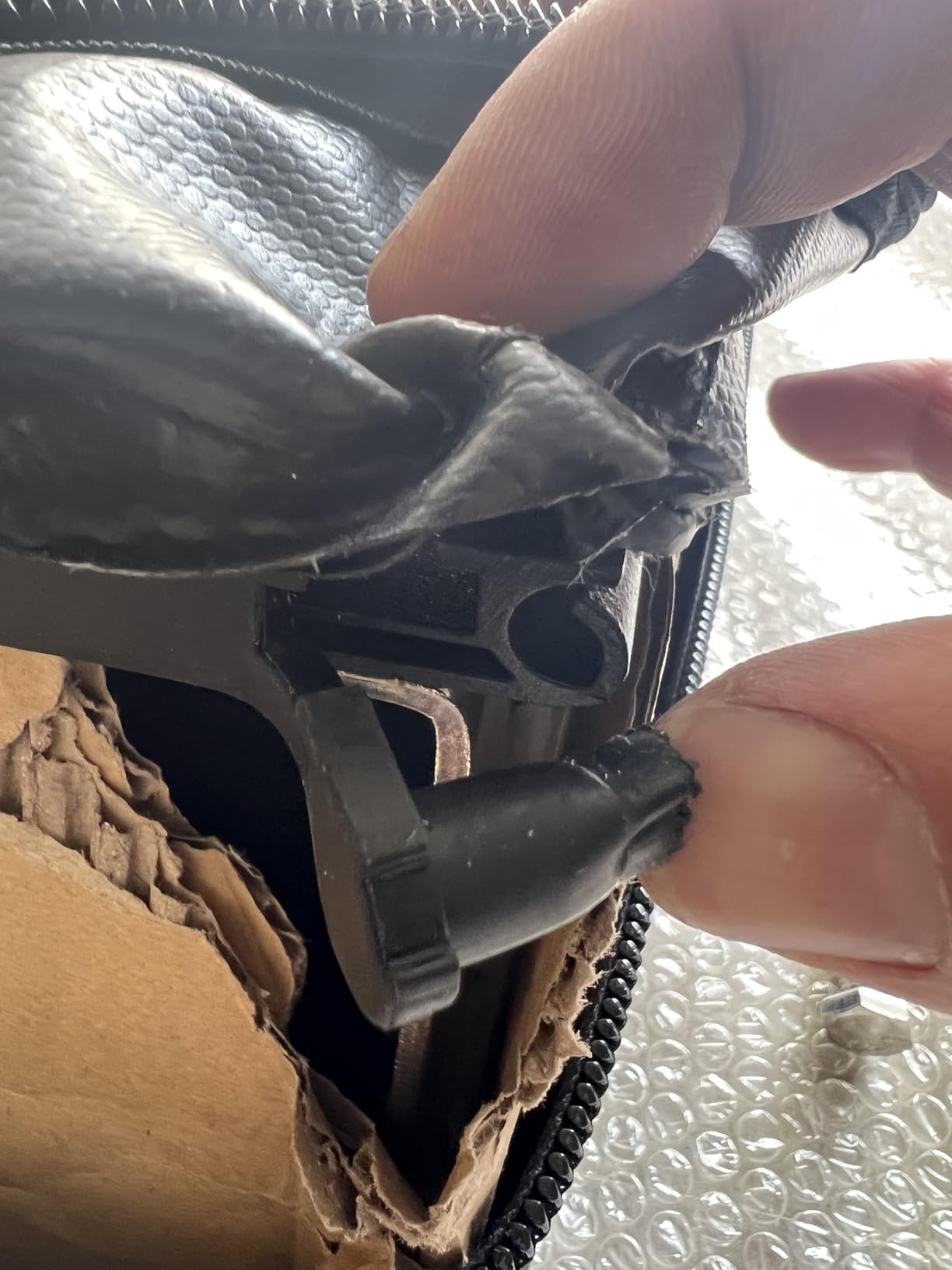
Fabric is 600D ripstop canvas rated PU 2000 waterproof with a 50+ UV rating, which puts it toward the light end of the fabrics tested here. Reviewers raised packing and completeness issues more than product failures, including one delivery missing three of four legs, so inspect the box before you leave the driveway.
When the Rough Country is the right call
It suits truck and off-road campers who want a 270 wrap in a stiffer frame than the aluminum units provide. The steel frame tolerates being knocked around on rough tracks in a way aluminum arms do not.
For a couple, 70 square feet of wraparound shade is a comfortable living area, and the no-legs basic deploy keeps setup under a minute once you have done it twice.
When the Rough Country is the wrong call
It is wrong for a family of four. The coverage gap against the 118 and 129 square foot 270s is large enough that you will end up with people sitting outside the shade, which defeats the purpose of a 270 in the first place.
The PU 2000 fabric rating also rules it out for wet-weather basecamping, and the limited warranty term is thinner than most of the field.
10. Rhino-Rack Sunseeker 2.0m Awning Review: A 22-Pound Rack Load
Rhino-Rack Sunseeker 6.6ft 2.0m Awning (32132), Olive
43 sq ft of shade
210D polycotton ripstop
22 lb stowed
Permanently attached poles
Pros
- Light 22 lb stowed weight for a hard-mounted awning
- Easy one-person setup with poles permanently attached to the frame
- Rust-proof anodized aluminum telescoping poles
- Complete kit with poles ropes pegs PVC bag and fit kit
- Broad compatibility across Rhino-Rack Thule and Yakima bars
Cons
- 3.8 average with a 20 percent one-star share
- PU 2000mm waterproof rating is well below the PU 10000mm options
- Stylename and variant listings are inconsistent for this item
- Expansion requires separately purchased extension or side wall
Twenty-two pounds is the headline for anyone whose roof rack is already carrying a hard-shell rooftop tent, and the Sunseeker hits that mark while still covering 43 square feet. The permanently attached telescoping anodized aluminum poles fold out from the frame itself, which means nothing to lose in the grass and nothing to reassemble in the dark.
Rack compatibility is the other strength. The kit fits Rhino-Rack Vortex, Euro and Heavy Duty bars, plus Thule square, pro and aero bars and Yakima round bars, with a fit kit included. Very few awnings in any price class list that many bar types without requiring you to source your own hardware.
Fabric is 210D ripstop polycotton canvas rated water resistant to PU 2000mm with a UV 50+ rating. That is the thinnest fabric spec in the roundup and it is the clear tradeoff for the low weight. In a dry desert or a mild week it is fine; in sustained rain you will want a roof over your cooking area.
The review data shows a wide spread, with a 20 percent one-star share and a 3.8 average. Some buyers love the easy setup and rack fit, others report dissatisfaction, and the inconsistent stylename and variant listings on the product page add to the confusion. Check that you are getting the 2.0m olive version you actually want.
When the Sunseeker is the right call
It is the right answer for small rooftop tents and for anyone with a strict roof load budget. The 43 square feet is a shade panel plenty for a solo camper or a couple, and at 22 lb it is the easiest of the hard-mounted units here to lift onto a high rack alone.
If you run a mixed-brand rack, the bar compatibility list means it will mount without extra hardware, which is rarer than it should be.
When the Sunseeker is the wrong call
It is the wrong call for anyone whose trips involve sustained rain. The PU 2000mm rating is the lowest waterproof class in this group, and lightweight fabric and heavy rain do not mix well on a roof-mounted canopy.
It is also the wrong choice if you want to grow the shelter into a room. The extension and side wall are both separate purchases, so the total cost of a finished living area climbs quickly from an already modest starting point.
Awning vs Tarp vs Ground Tent for Rooftop Tent Owners
This is the most common question on r/rooftoptents and the one this roundup has the least room to answer with product data, so here it is in plain terms. One owner of a mini rooftop tent started with a tarp specifically because it is more versatile, planning to add a tent-mounted awning later. That is a defensible sequence, not a compromise.
A tarp is lighter, cheaper and more flexible. You can pitch it anywhere, in any configuration, and it can span between your rig and a tree. What you give up is deploy speed in wind, structural integrity in a gust, and any chance of attaching a wall to it. Ties and hardware also eat into the same gear weight budget.
An awning is rigid, fast to deploy and predictable. It comes with a defined coverage area, a defined mounting point, and in several cases here a defined expansion path with side walls. What you give up is flexibility, packed size, and a meaningful amount of roof load and packed weight.
A ground tent gives you enclosed weather protection that neither of the other two can, at the cost of much more weight, more setup and far more space. If you already run a hard-shell rooftop tent, most owners are not adding a second enclosed sleeping space, so the ground tent sits mainly in the family-camping and bad-weather category.
Our read: a tarp first if you are experimenting or travelling light, an awning if you camp at sites where you cannot pitch into trees, and a ground tent only if you regularly camp in real weather. A lot of owners end up with a tarp and a small awning, and that pairing covers more ground than either one alone.
How to Choose an Awning for Your Rooftop Tent
Start with coverage matched to tent size, because this is where people most often over-buy. A solo or two-person rooftop tent only needs the 43 to 59 square foot class, and buying a 129 square foot 270 for it means carrying 39 lbs of heavier roof weight for shade you will not use. A four-person family rooftop tent is the opposite case, and needs the 118 to 129 square foot class or you will have people sitting in the sun.
The second decision is freestanding versus leg-supported, and it comes down to wind. Freestanding awnings deploy fastest because there are no legs to place, and they are the most exposed when gusts arrive because nothing is braced. Leg-supported awnings take an extra two minutes and hold far better once every guy line is tensioned. If you camp in exposed ground, choose leg-supported every time.
Third, roof load. A dynamic load rating covers what your rack can hold while you are driving over rough surface, and a static rating covers a parked vehicle. A rooftop tent already consumes a large share of the dynamic figure before an awning goes anywhere near the rack, so subtract the tent weight first, then the awning, then anything else you carry. Our rooftop cargo carrier guide for SUVs works through the rest of that budget.
Fourth, mounting position and hard-shell clearance. A rear-mounted awning is close to useless on a side-access rooftop tent, and a case that mounts on the wrong side can physically collide with a hard-shell tent’s gas-strut door. Measure the door swing and the case clearance before you order, and confirm which side of the vehicle you actually use to climb in.
Fifth, fabric rating. Anything at PU 2000mm is a dry-weather awning. PU 10000mm is the figure that tells you the canopy can stay out through a real rain band, and it is worth paying up for if you camp in weather rather than around it. UV 50+ is standard across most of this field.
Sixth, wall kits and side walls. They are worth the extra weight if you cook in the rain or want a changing area for kids, and not worth it if you are a solo camper who just wants a dry place to sit. Check that the wall kit matches your awning model, because the fit is model-specific rather than universal.
Finally, think about whether you want a permanent case or a stowable one. A case-mounted awning is always there and adds highway drag and noise on long transits. A stowable unit lives in a bag until you need it, which is why some owners keep a lightweight tarp permanently. If your transits are longer than your camps, that is worth thinking through. For reference on lighter-shelter alternatives, our canvas tent picks for glamping cover fixed shelter rather than vehicle-mounted shade.
Maintenance is unglamorous and simple. Let wet fabric dry before you fold it, because trapped moisture is what degrades seam tape and coatings. Check the seam lines annually, rinse salt off coastal gear, and store the case in shade. If you camp at festivals or in open fields where ground moisture is constant, our festival tent guide covers the same drying discipline.
Frequently Asked Questions
What is the best overland awning?
The OVS Nomadic 270 is our best overall overland awning for rooftop tent owners, with 129 sq ft of coverage, 280G poly-cotton ripstop with heat-sealed seams, and three pivoting aluminum poles for bad-weather support. If your roof load is tight, the Rhino-Rack Sunseeker at 22 lb keeps the added mass down, and if budget is the first constraint, the VEVOR 6.6 x 8.2 comes with a complete mounting kit.
Is 20 mph wind strong for a tent?
20 mph is a meaningful crosswind for any vehicle-mounted shelter. The only awning in our roundup with a published wind figure, the Sanhima 270, is rated to 18.6 mph. Above roughly 20 mph, deploy with every guy line tensioned, put your rooftop tent on the sheltered side, and take the awning down if gusts build further.
What wind speed is an awning safe in?
It depends entirely on the design. Leg-supported awnings with telescoping legs and tensioned guy lines handle considerably more wind than legless freestanding frames, which rely on hinge geometry alone. The Sanhima 270 publishes 18.6 mph for its freestanding pivot system. Most manufacturers publish nothing, so stake every guy line and pitch with a slope for runoff regardless of the claimed rating.
What are the best awning brands on the market?
For rooftop tent duty, Overland Vehicle Systems is the strongest all-round brand here, with heat-sealed poly-cotton ripstop and the longest warranty terms in this group. Rhino-Rack offers the widest published rack compatibility and the most complete hardware kits on a 270. Budget buyers find serviceable options from ALL-TOP and VEVOR, and Rough Country supplies the only steel-framed 270 in this group.
Can you attach an awning directly to a rooftop tent?
Yes, but true RTT-integrated awnings with a ladder-access zipper or hatch are rare and none of the ten models here include one. The usual approach is a rack-mounted awning beside the tent. If you specifically need ladder access under cover, look for an awning case that mounts on the same side as your tent entry, because rear-mounted awnings are close to useless on side-access tents.
What size awning do I need for a 4 person rooftop tent?
A family of four needs the 118 to 129 sq ft class to have a table and chairs under cover. The OVS Nomadic 270 at 129 sq ft, the Sanhima 270 at 129.2 sq ft and the Rhino-Rack Batwing at 118.5 sq ft all fit that brief. The 43 to 59 sq ft models are sized for one or two campers and will leave people sitting outside the shade.
Is a tarp better than an awning for rooftop tent camping?
A tarp is lighter, cheaper and more flexible, and it can be pitched anywhere including between your rig and a tree. An awning is rigid, deploys in about a minute, and offers a defined coverage area plus a model-specific path to side walls. Many owners start with a tarp to test whether vehicle shade matters to them, then add an awning once they know they want it every trip.
How much weight can my roof rack hold with a rooftop tent and awning?
Subtract the rooftop tent weight from your rack’s dynamic load rating first, then the awning, then any other cargo. Dynamic ratings apply while driving over rough surface and are lower than static ratings. Awnings in this roundup range from 19.8 lb for the VEVOR to 84.8 lb for the OVS Nomadic 270, so the choice materially changes your remaining budget.
Are rooftop tents safe in thunderstorms?
Wind is the bigger risk of the two, and a deployed awning makes it worse by adding sail area to a vehicle already sitting high. Lightning risk comes from your rig’s height rather than the tent, so a rooftop tent does not change the exposure of the vehicle beneath it. If a storm front is forecast, stow the awning first, then close the tent.
Our Verdict on the Best Awnings for Rooftop Tents
The OVS Nomadic 270 is our pick for the best awnings for rooftop tents in 2026, because it pairs top-tier coverage with a deploy you can finish before the weather turns. If your roof rack cannot take 84.8 lb of awning on top of a tent, the OVS Nomadic 180 LTE at 33.5 lb gives you the same fabric and hinges at a fraction of the weight, and the Rhino-Rack Sunseeker at 22 lb is the pick when load is the binding constraint.
Whichever one you land on, treat the wind seriously. Guy every line, pitch with a slope, keep the tent on the sheltered side, and stow the canopy before a storm front rather than after. That habit will save you more money than any spec on this list.