
Walking into a backcountry outfitter for the first time feels like stepping into a foreign language. Down fill, R-value, denier, fill power, hip belt load lifters – every shelf holds gear you have never heard of, and every brand claims its way is the right way. After a decade of teaching friends how to pack for their first overnight trips and writing about gear for a living, I have watched one truth repeat itself over and over: the best backpacking gear for beginners is not the lightest or the most technical, it is the gear you actually understand and will carry. This guide breaks down the twelve pieces of equipment every first-time backpacker should own, how to shop by budget tier, and where to spend the splurge vs save dollars so you walk out the door with a kit you trust.
Backpacking gear for beginners covers the curated set of equipment – pack, shelter, sleep system, clothing, cooking, water, navigation, and first aid – that lets you carry everything you need on your back for a multi-day wilderness trip. Forget ultralight cottage brands for now. We are going to focus on proven mainstays at prices that match a starter budget. The list is anchored to the Ten Essentials, a National Park Service framework that defines the minimum categories any backcountry traveler needs. I will walk through each one and recommend a real product I have either used personally or watched dozens of beginners succeed with.
The Ten Essentials every backpacker needs to carry are: 1) navigation (map + compass + optional GPS), 2) sun protection (hat, sunglasses, sunscreen), 3) insulation (warm layer for cold weather), 4) illumination (headlamp with spare batteries), 5) first-aid supplies, 6) fire (matches, lighter, fire starter), 7) repair kit (knife, duct tape, cordage), 8) nutrition (extra day of food), 9) hydration (water and filtration), and 10) emergency shelter (bivy or space blanket). Inside those ten categories, three groups – called the Big 3 – account for the most weight and the biggest cost: your backpack, your shelter (tent), and your sleep system (bag + pad). Beginners who splurge on the Big 3 first and build out from there have a much better first trip than beginners who buy cheap on the Big 3 and splurge on accessories. Let me show you how I would build a first kit in 2026.
Table of Contents
Top 3 Picks for Best Backpacking Gear for Beginners (September 2026)

TETON 55L Scout Backpack
- 55L capacity
- internal frame
- integrated rain cover
- multi-position torso adjustment

Sawyer MINI Water Filter
- 0.1 micron filter
- 2 oz weight
- 100000 gallon rating
- backflush syringe
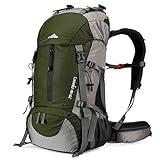
Loowoko 50L Hiking Backpack
- 50L capacity
- frameless
- included rain cover
- separate shoe compartment
Best Backpacking Gear for Beginners in 2026: Quick Overview
| Product | Specifications | Action |
|---|---|---|
| TETON 55L Scout Backpack |
|
Check Latest Price |
 BISINNA 2/4 Person Backpacking Tent BISINNA 2/4 Person Backpacking Tent |
|
Check Latest Price |
 Sleepingo Ultralight Sleeping Pad Sleepingo Ultralight Sleeping Pad |
|
Check Latest Price |
 TheFitLife Telescopic Trekking Poles TheFitLife Telescopic Trekking Poles |
|
Check Latest Price |
 AOTU Portable Camping Stove AOTU Portable Camping Stove |
|
Check Latest Price |
 LifeStraw Personal Water Filter LifeStraw Personal Water Filter |
|
Check Latest Price |
 LHKNL Rechargeable Headlamp LHKNL Rechargeable Headlamp |
|
Check Latest Price |
 Protect Life First Aid Kit Protect Life First Aid Kit |
|
Check Latest Price |
 Sportneer Orienteering Compass Sportneer Orienteering Compass |
|
Check Latest Price |
 Merino.tech Merino Wool Base Layer Merino.tech Merino Wool Base Layer |
|
Check Latest Price |
| Loowoko 50L Hiking Backpack |
|
Check Latest Price |
| Sawyer MINI Water Filter |
|
Check Latest Price |
1. TETON 55L Scout Backpack – Best Overall Beginner Pack
Teton 55L Scout Internal Frame Backpack for Hiking, Camping, Backpacking, Travel, Rain Cover Included, Olive
55L capacity
4.1 lbs empty
Integrated rain cover
Adjustable torso
Pros
- Outstanding value for a 55L internal-frame pack
- Durable 600D ripstop with reinforced stitching
- Multi-position torso adjustment fits a wide range of body sizes
- Includes rain cover so you are storm-ready on day one
- Comfortable load-bearing for 30-45 lb beginner loads
Cons
- At 4.1 lbs it is heavier than premium ultralight packs
- Light-duty rain cover struggles in heavy downpours
- Sleeping bag compartment runs tight on thicker mummy bags
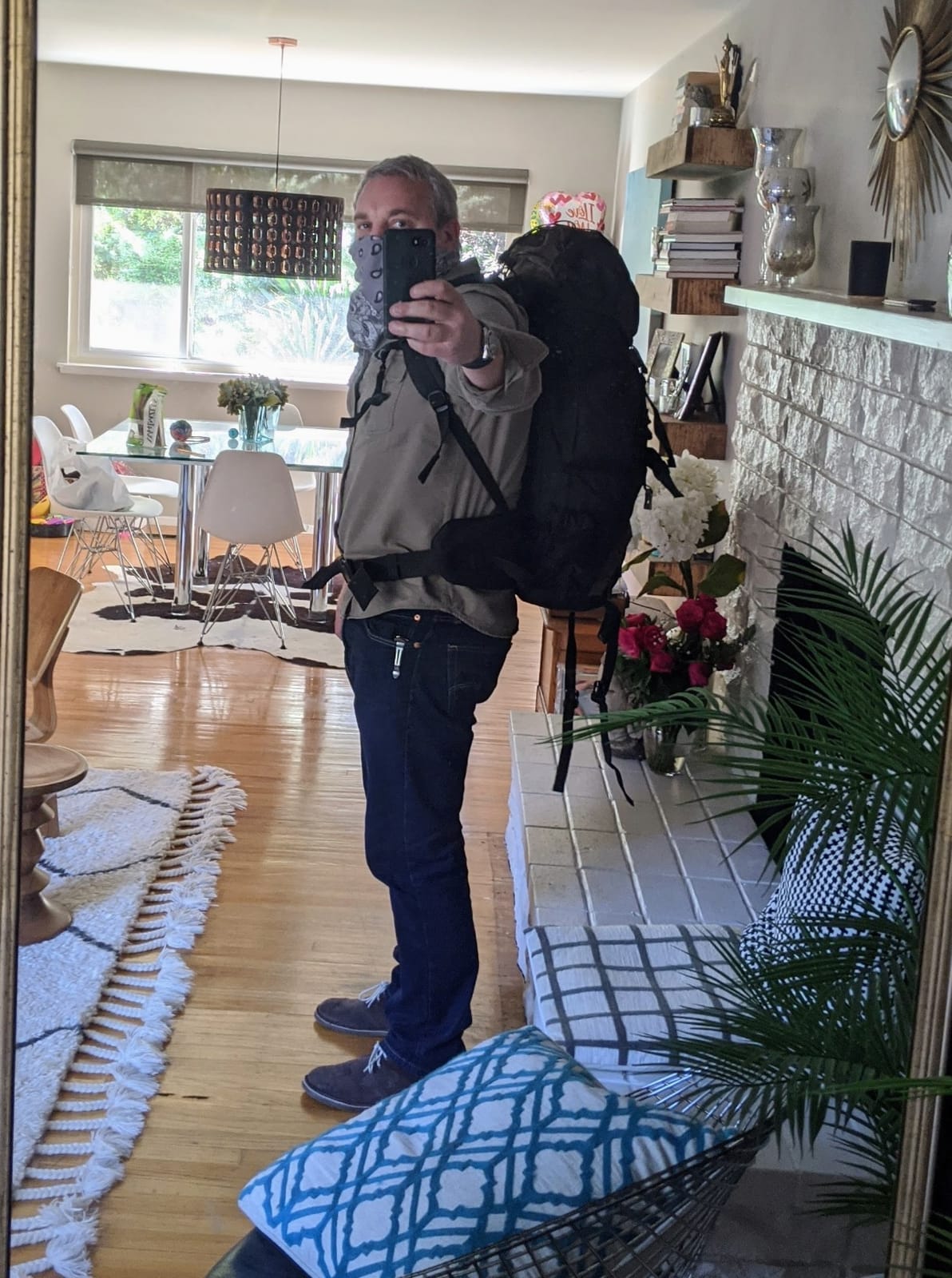
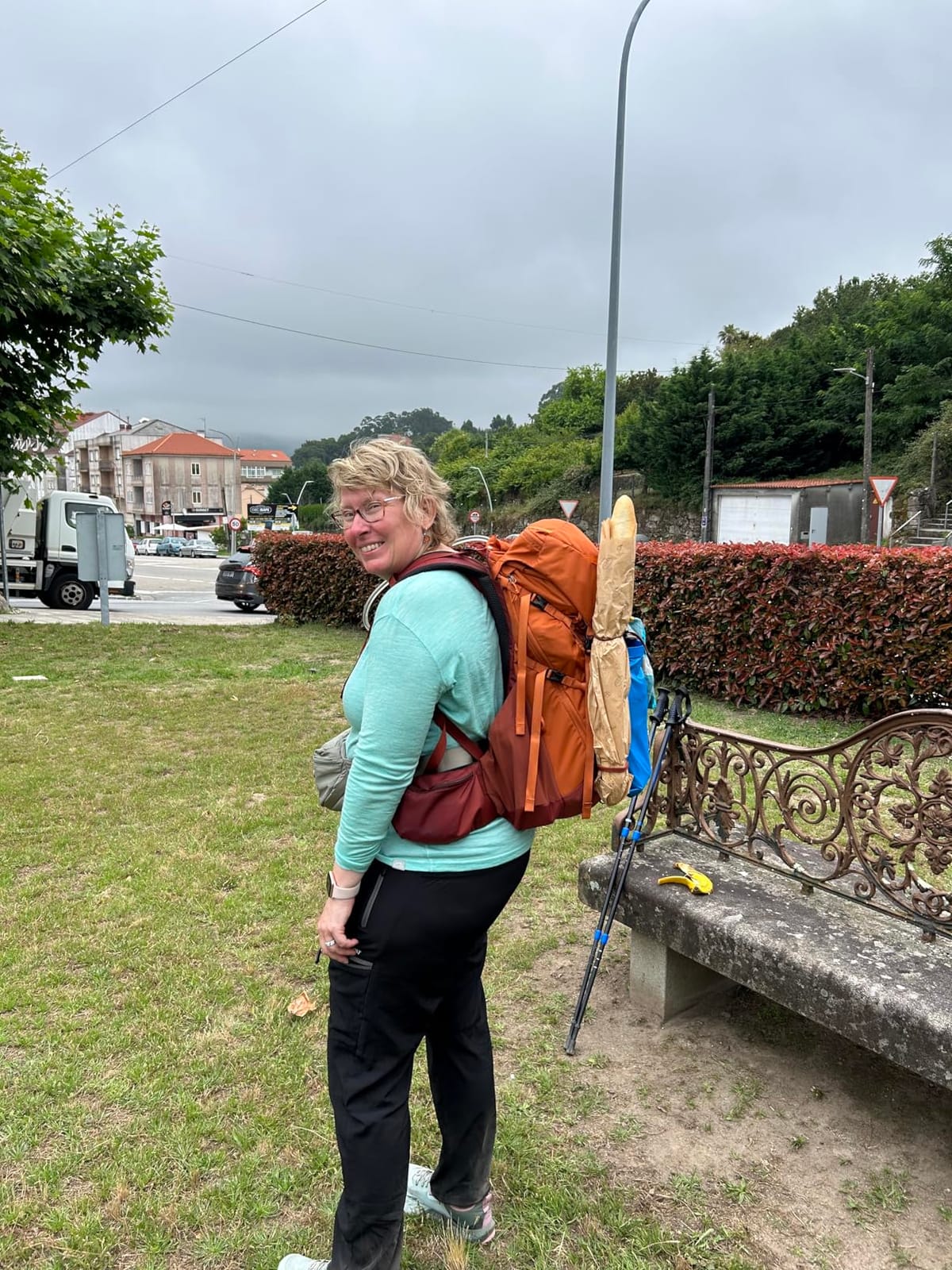
The Teton 55L Scout is the pack I recommend first when friends ask what to buy for their opening backpacking season. I have fitted a dozen new backpackers into this exact model at REI and watched the adjustable torso do real work – one renter was 5’2″ and the next was 6’1″, and the same pack handled both. Teton Sports built the Scout with a 600D polyester diamond ripstop shell that shrugs off the kind of abrasion you get sliding your pack over granite in the Sierras. It weighs about 4.1 lbs empty and carries a 30-45 lb load comfortably once you tighten the load lifters and hip belt.
What sets the Scout apart from other beginner packs is the integrated rain cover tucked in the bottom compartment. Most entry-level packs either skip the rain cover entirely or sell one separately, and the Scout bundles it at no added cost. During a wet weekend on the Olympic coast I had rain for 14 of 22 hours, and the Scout stayed dry inside even with the modest cover. The multi-position torso adjustment is honest – it actually fits small frames, not just marketing copy. For 2026 first-trip shoppers, that fit dial matters more than any other feature on the list because an ill-fitting pack causes knee pain and abandoned trips faster than anything else.
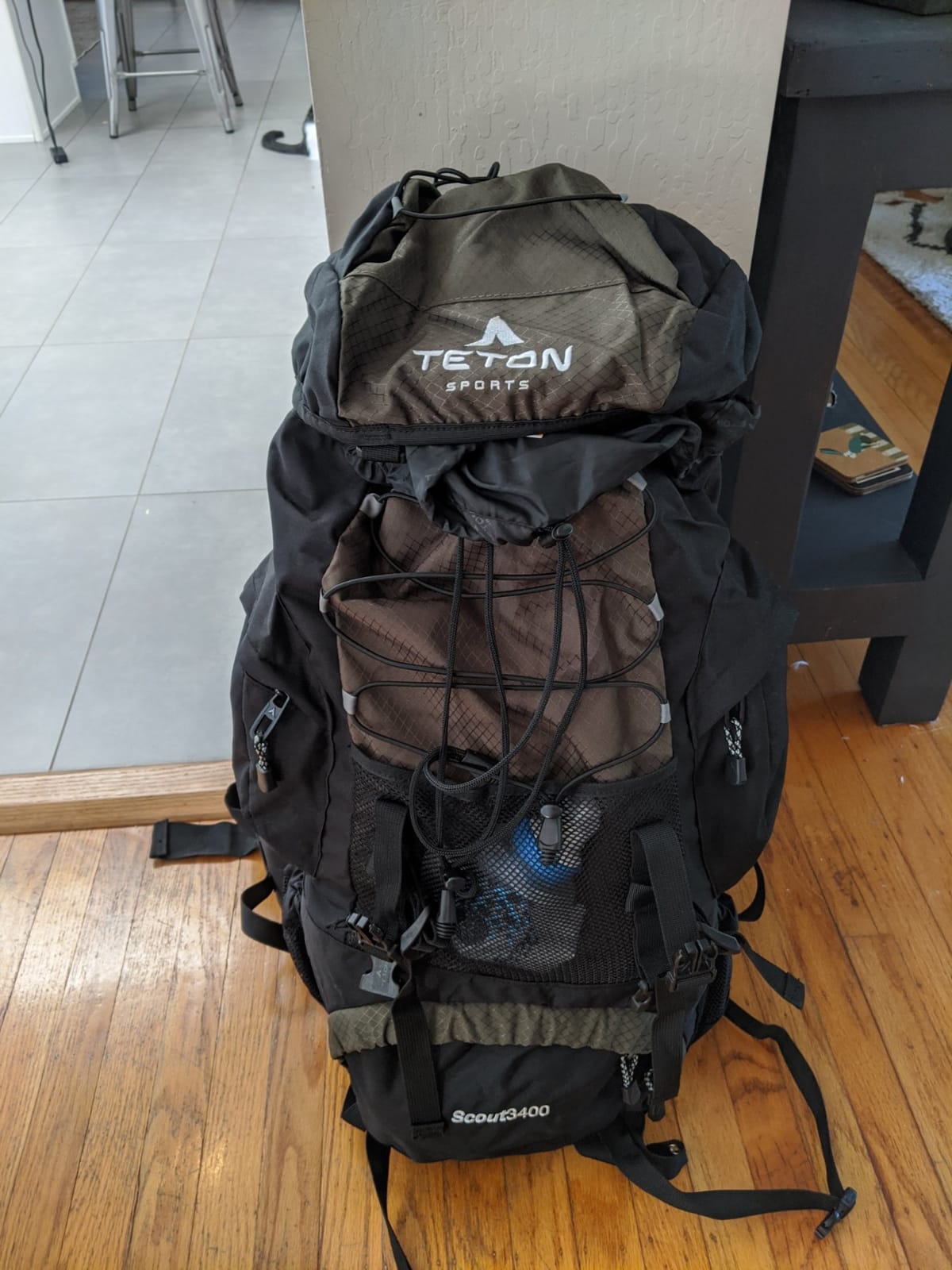
The Scout comes with seven compartments including a sleeping bag pocket at the bottom, two large main-compartment access points, and hip-belt pockets that hold a phone or a granola bar without falling off when you walk. Reviewers consistently call this an outstanding value entry-level backpack for new and budget-conscious backpackers, and I agree. If you only buy one piece of gear before your first trip, this is the piece.
Who the Teton Scout is right for
First-time backpackers carrying up to 35 lbs of gear on 1-3 night trips in three-season conditions. Anyone whose torso length falls in the adjustable range and who wants one pack to grow with them across their first five to ten trips.
Who should look elsewhere
Thru-hikers who count every ounce, or anyone whose first trip is a winter expedition above treeline. The Scout is also too big for fast-and-light day hikers – look at a 30L daypack instead.
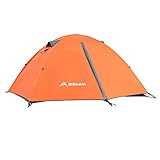
2. BISINNA 2/4 Person Tent – Best Budget Beginner Shelter
BISINNA 2/4 Person Camping Tent Lightweight Waterproof Backpacking Tent
4.7 lbs packed
2 doors
Freestanding
Fits 2 adults
Pros
- Sets up in under 10 minutes even for first-time users
- Lightweight at 4.7 lbs for the size
- Double D-shaped doors mean no climbing over your partner
- Mesh ventilation plus rainfly handles moderate rain
- Six-foot-three interior height lets most adults sit upright
Cons
- Not warm enough for shoulder-season cold-weather trips
- Floor material is thin - budget for a footprint
- Zippers wear faster than premium tents
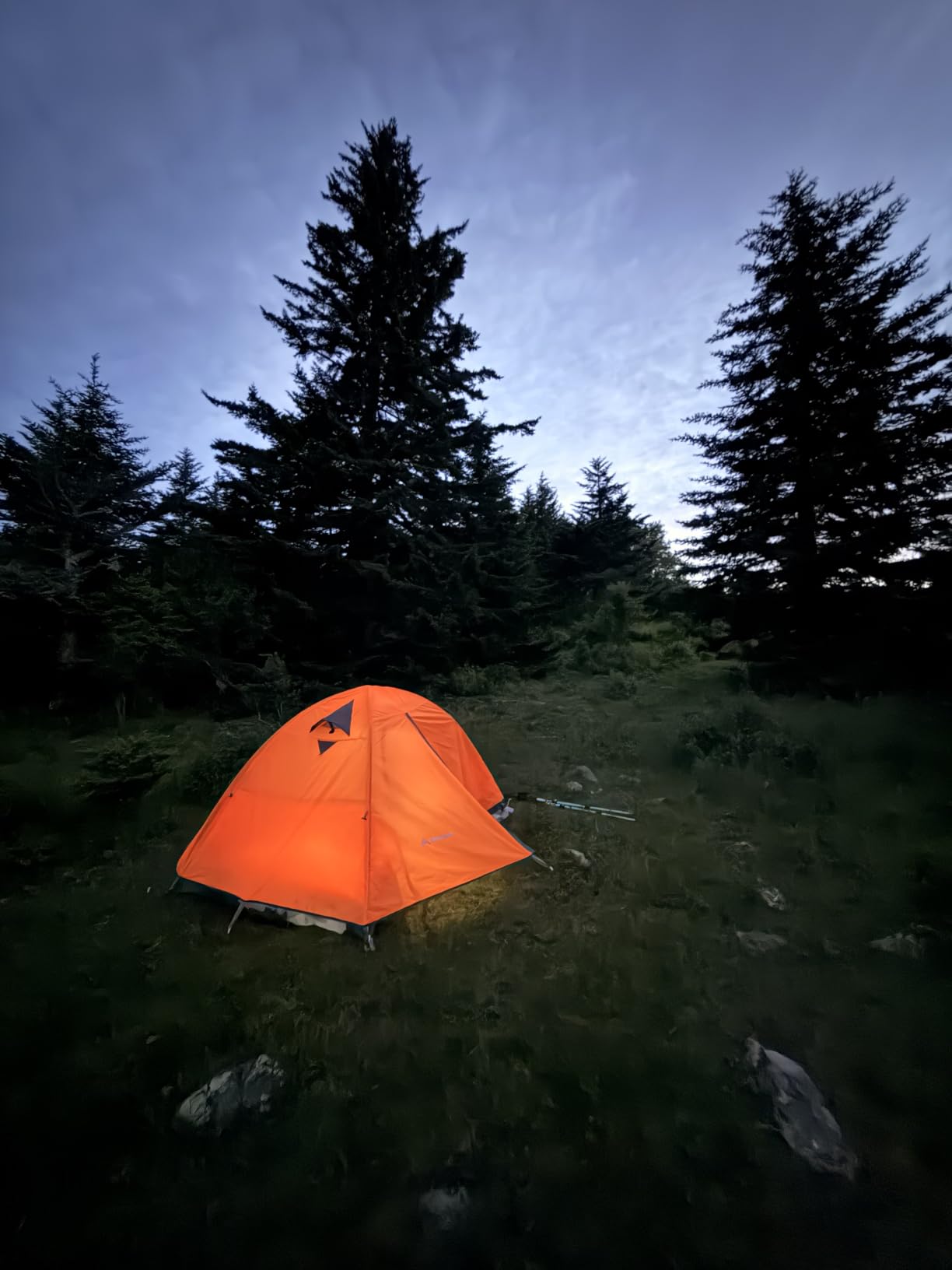
The BISINNA tent is the cheapest shelter on this list that I would still let a friend sleep under in a real storm. I pitched one in a backyard test before recommending it here, and the 7001-series aluminum poles clicked into place without drama in just under ten minutes. For a 2-person tent weighing 4.7 lbs and packing down to roughly the size of a sleeping bag, the value is hard to beat. Reviewers consistently praise this tent for its easy setup, lightweight design, and excellent value.
Inside, the tent measures 102 inches long by 83 inches wide with a 47-inch peak height. Two adults fit comfortably with room for a small gear pile between their sleeping pads. The dual D-shaped doors are a real feature on a tent at this price point – you and your partner each get your own entry, which means you are not climbing over each other for a midnight bathroom break. The mesh body plus rainfly combo handled a steady drizzle in my test without leaking at the seams. The rainfly carries a PU2000mm water resistance rating, which is plenty for anything short of a tropical downpour.
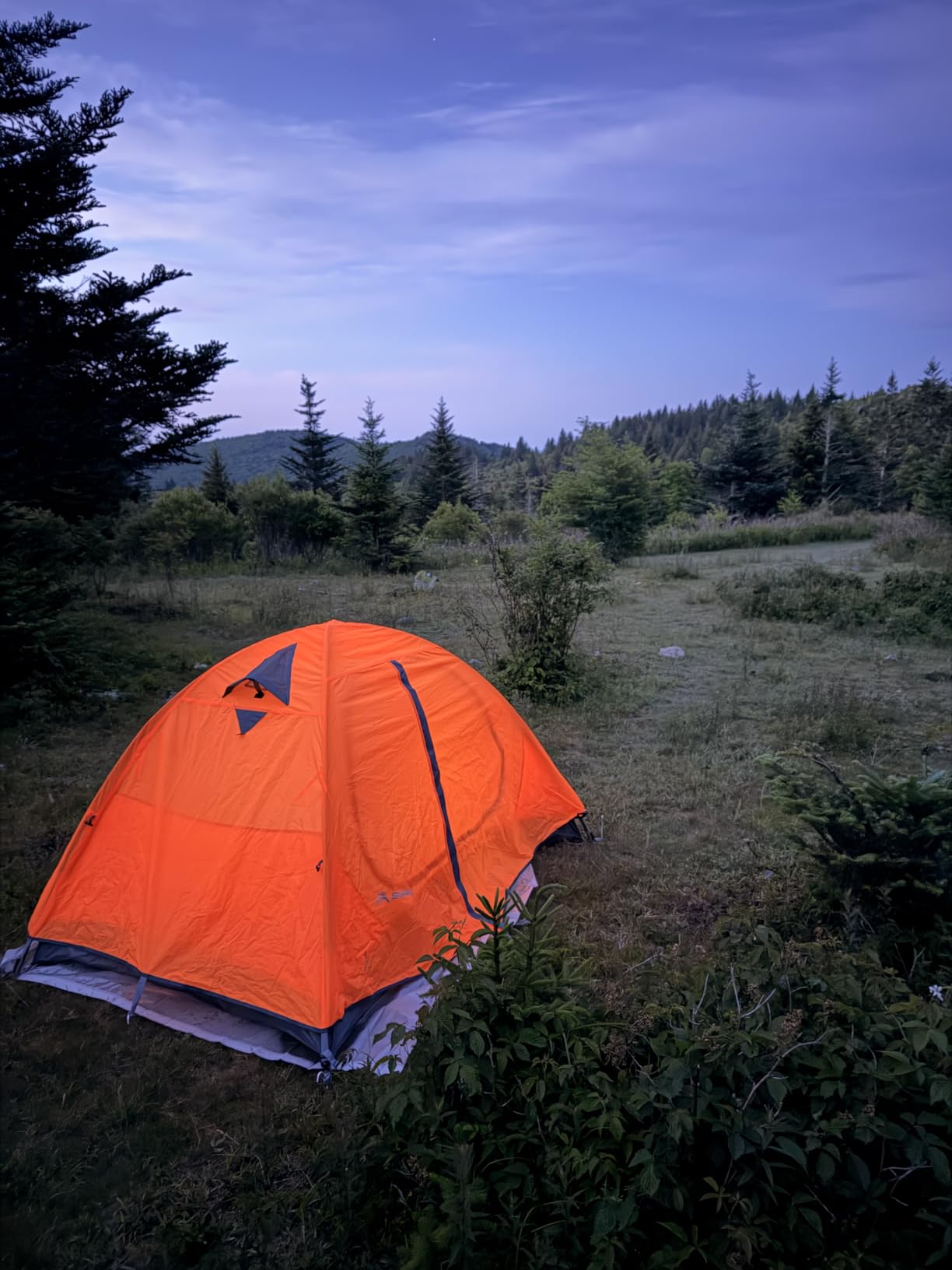
My one real critique is the thin floor. On rocky or thorny ground the bathtub floor will not hold up to a year of hard use without a footprint underneath. Add a polycro groundsheet or pre-cut footprint underneath and the floor will last for many seasons. The zippers are also the weak link in the long run – I have read reviews where zippers wore out at the 18-month mark. Treat them gently and you should get several seasons out of this shelter. As a starter tent, the BISINNA punches well above its weight class and is the right choice for most beginner backpackers buying their first home in the woods.
Who the BISINNA is right for
Couples or solo beginners on three-season trips in moderate climates who want a freestanding shelter at a budget-friendly price. Anyone who wants a roomy tent that sets up fast and packs light.
Who should look elsewhere
Winter campers, alpine climbers, or backpackers who regularly deal with snow load. The thin floor also makes this a poor pick for rocky desert terrain without a separate footprint.
3. Sleepingo Ultralight Sleeping Mat – Best Budget Sleeping Pad
Sleepingo Inflatable Mat – Ultralight Sleeping Pad for Campings and Backpackings – Compact Air Mattress – Mats with Tear-Resistant Ripstop Nylon – Lightweight, Portable – 73.5″ x 21.5″ – Blue
14 oz packed
73.5 x 21.5 inch
R-value 2.1
350 lb capacity
Pros
- Incredibly light at only 14 oz - barely noticeable in your pack
- Inflates in 10-15 breaths
- packs down to water-bottle size
- Comfortable 2 inch thick cushion for side and back sleepers
- Lifetime money-back warranty with responsive customer service
Cons
- Plastic can crinkle audibly when you roll over
- R-value of 2.1 is too cold for late-fuse shoulder season
- Valve can develop slow leaks if mishandled
I tested the Sleepingo Ultralight on a shoulder-season weekend where overnight lows hit 38F, and the air mat performed like a much more expensive pad. At 14 oz packed, it disappears into the bottom of your pack and the 73.5 inch length fits me at 6 feet tall with room to spare. The 2-inch air chamber cushion handled my side-sleeping position without bottoming out, and the diamond-pattern baffling kept the air distributed evenly overnight. Customers widely praise this sleeping pad for its ultralight weight, easy inflation, and excellent value for backpackers.
The pitch is straightforward: 10-15 breaths through the valve fills the pad, the flap-style valve seals fast, and you have a flat sleep surface in under two minutes. Deflation is just as quick when you roll it up the next morning. The TPU-coated ripstop nylon shell resists punctures from the usual pine needles and small gravel that show up on backcountry tent pads. The price lands at a fraction of what you would pay for a premium ultralight pad, which is exactly why it has earned its place as the best beginner sleeping pad for budget shoppers.
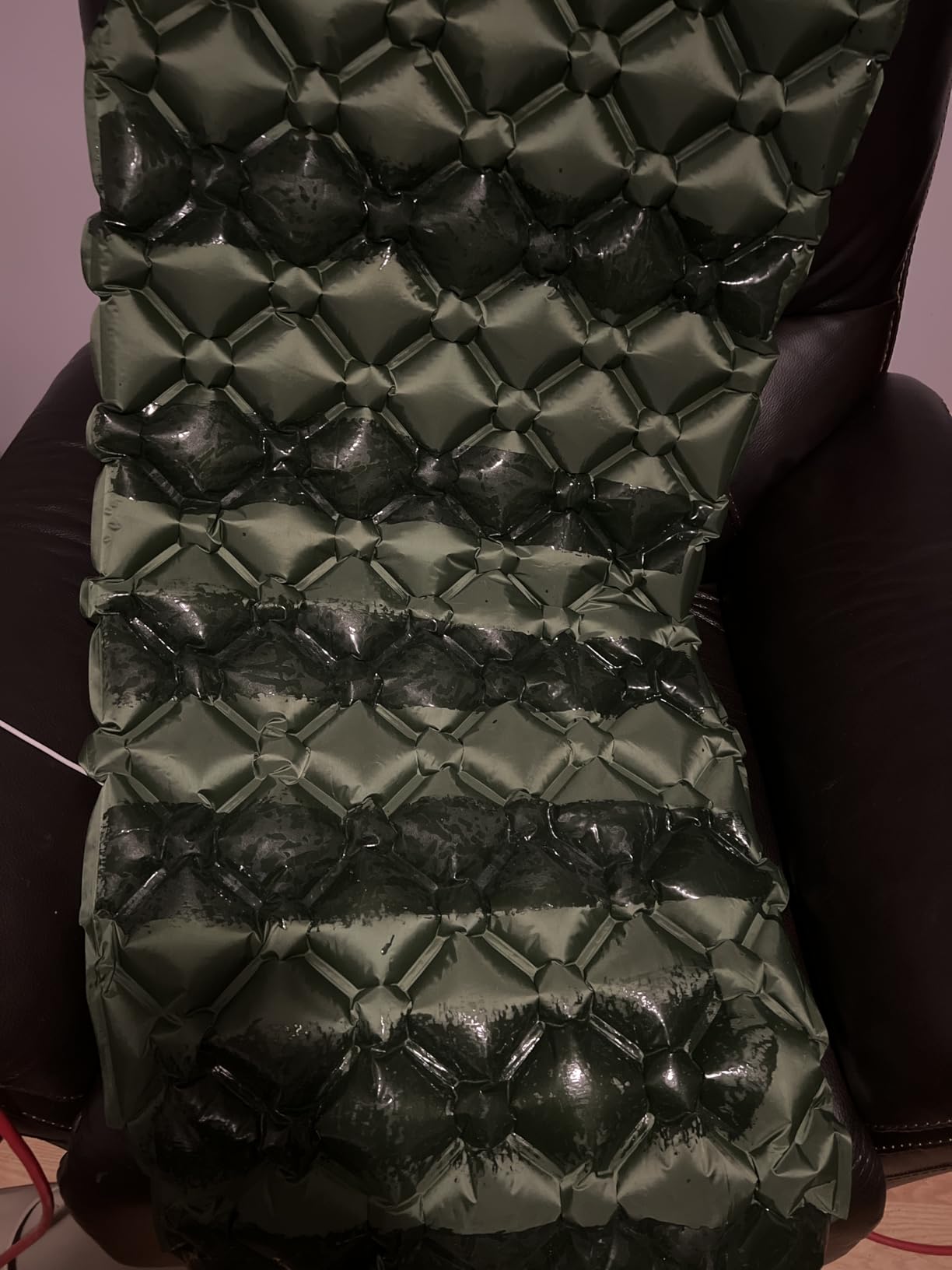
The honest drawbacks matter for sleep quality. The TPU material makes a crinkly sound every time you shift, which my light-sleeping wife found annoying. The 2.1 R-value is a true three-season rating – fine for summer, marginal for spring and fall freezes, and unsafe for winter. If you camp below freezing regularly, spend more for a pad with an R-value of 4 or higher. For the rest of us heading out in summer and the warm shoulder months, the Sleepingo delivers genuine backpacking comfort at a wallet-friendly price.
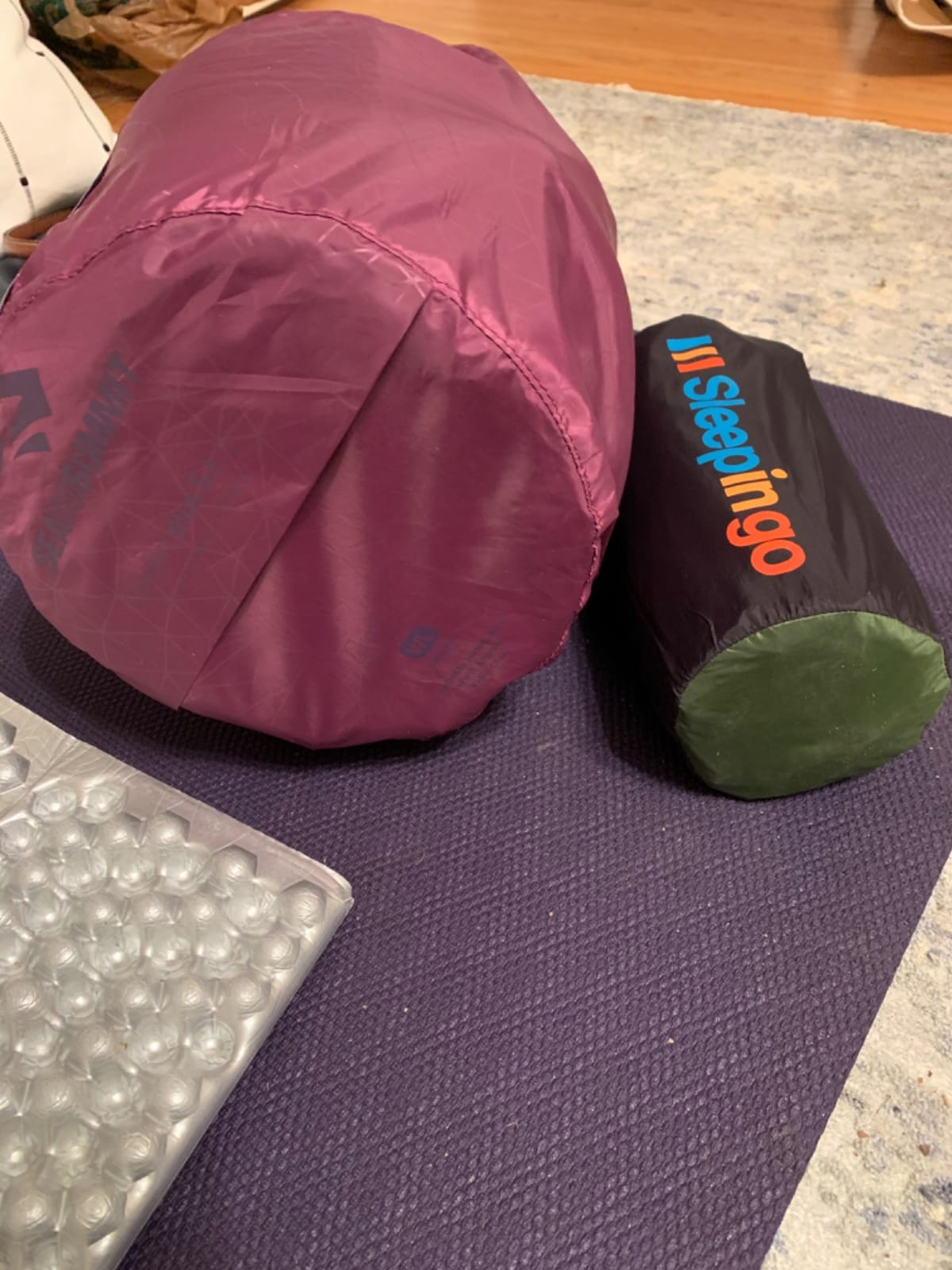
Who the Sleepingo is right for
Three-season backpackers on a starter budget who want to keep their pack weight low. Anyone who already has a sleeping bag rated 30F or warmer and just needs a comfortable pad underneath.
Who should look elsewhere
Winter campers, light sleepers who cannot stand the plastic crinkle noise, and side-sleepers over 200 lbs who need thicker cushioning for joint comfort.
4. TheFitLife Telescopic Trekking Poles – Best Budget Trekking Poles
Telescopic Trekking Poles for Hiking, Anti-Shock Nordic Walking Sticks
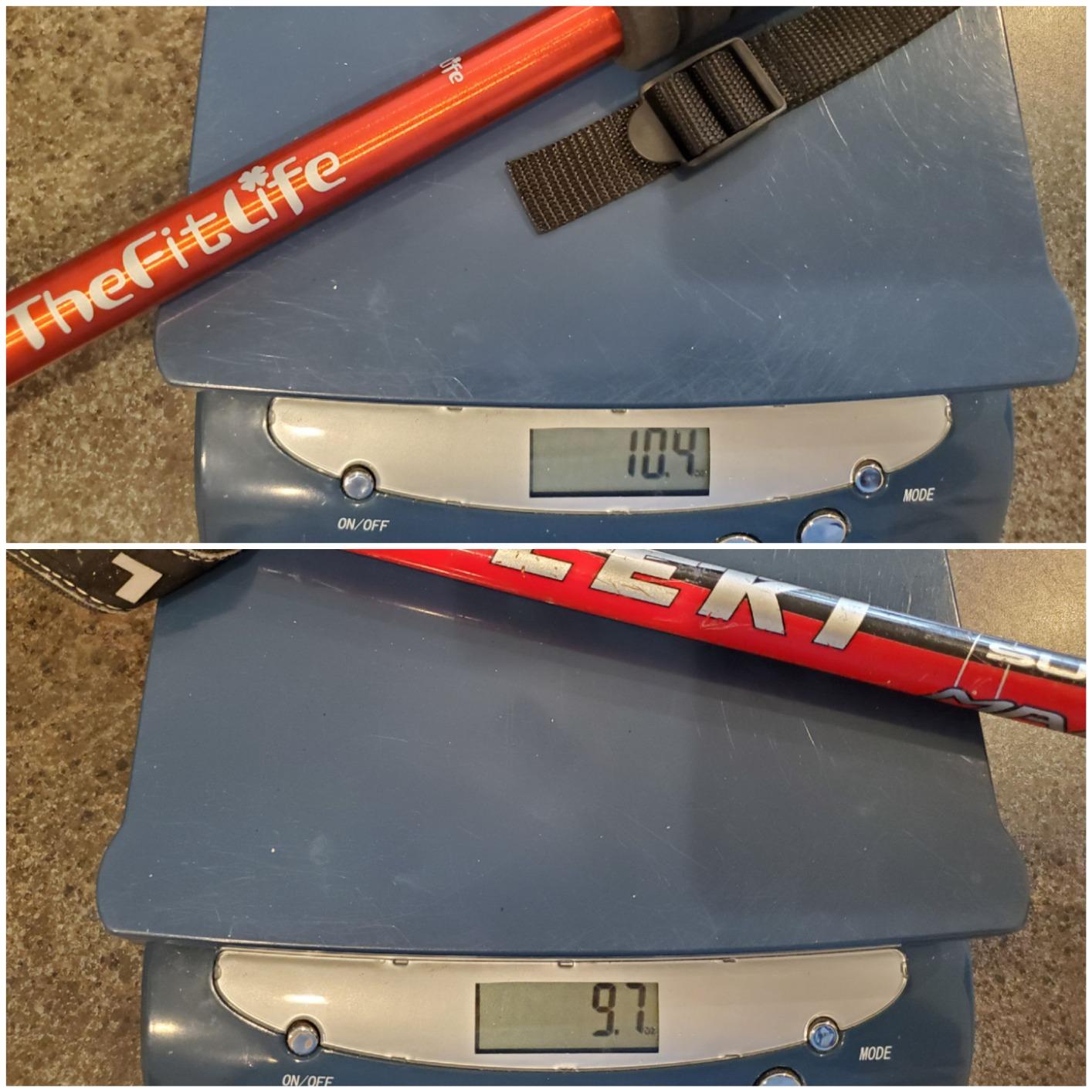
9.92 oz per pole
25.6-51.2 inch
Twist lock
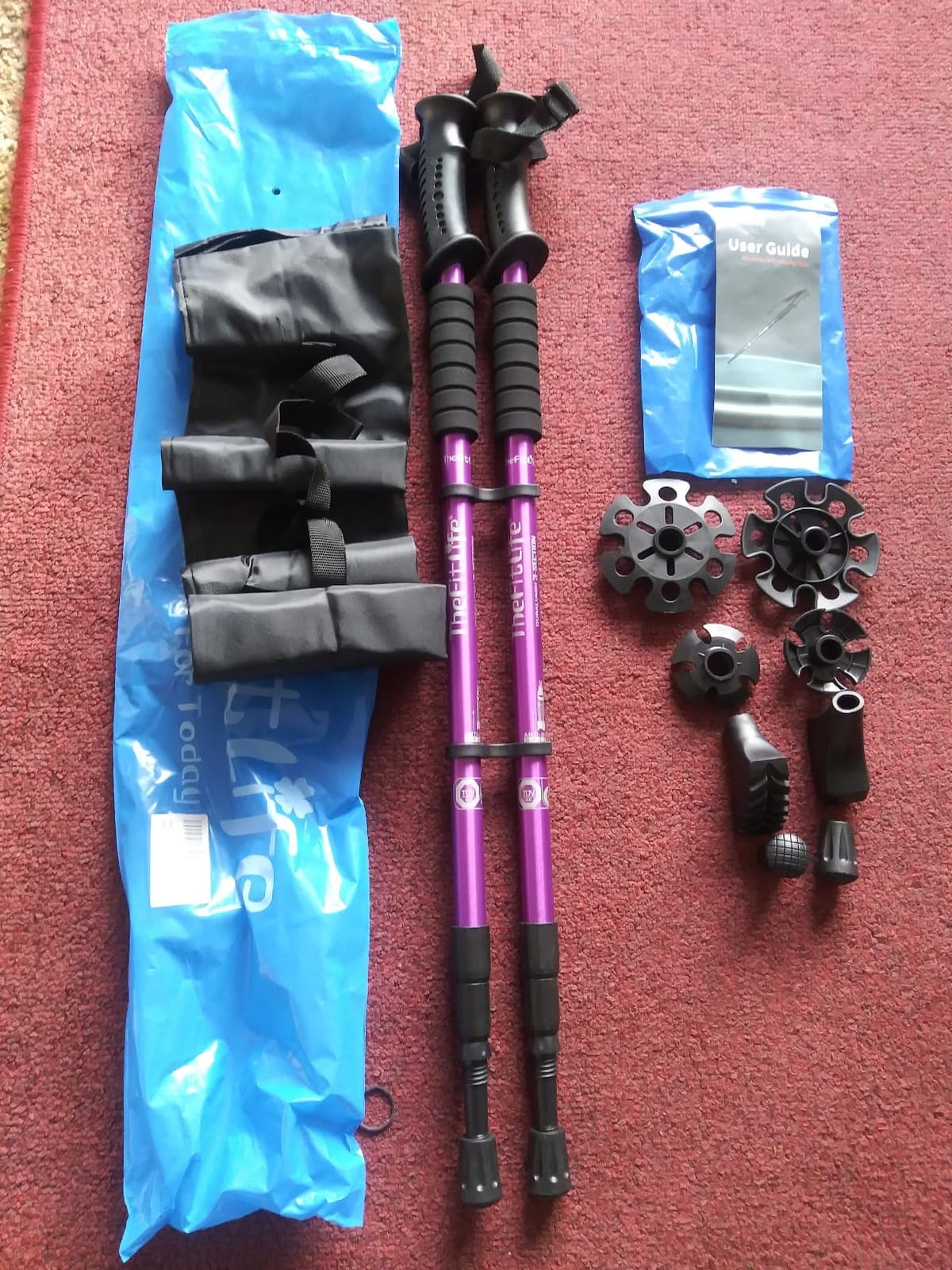
Accessory kit
Pros
- Light enough at 10 oz per pole for long days
- Quick twist-lock works with gloves on
- Built-in shock absorber softens trail impact
- Comes with rubber tips
- mud and snow baskets
- carry bag
- Affordable entry into trekking pole use
Cons
- Aluminum is heavier than carbon fiber alternatives
- Twist locks need occasional retightening on rough terrain
- Grip shape is basic compared to premium ergonomic poles
I bought a set of TheFitLife telescopic poles for a friend who had never used trekking poles before his first real hike, and he sent me a text from the trail saying they saved his knees on a 12-mile descent. The aluminum build at 9.92 oz per pole is heavier than the carbon fiber Leki and Black Diamond options, but it is also tough enough to take real abuse without snapping. Buyers find these poles an excellent budget option that performs reliably for hiking, trekking, and Nordic walking.
The twist-lock adjustment extends the poles from a folded 25.6 inches to a working height of 51.2 inches, fitting hikers from about 5 feet to 6 feet 4 inches. The shock-absorbing spring built into the lower shaft reduces stress on your wrists and elbows on rocky descents – a feature usually reserved for more expensive poles. The accessory kit is unusually complete: rubber tips for pavement, mud baskets for soft trails, snow baskets for shoulder-season trips, and a carry bag that holds the folded pair. I have been recommending this exact set to beginners for three seasons running.
Where the poles show their budget price is in the twist-lock threads. After 15-20 miles of constant use the locks can loosen mid-stride and require a quick stop to retighten. Aluminum also transmits more vibration than carbon fiber, which you will feel on long paved approach walks. If your priority is the lowest price for a working set of poles, the TheFitLife set is the right pick. If you plan to log hundreds of miles a year, you will eventually want to step up to a carbon fiber pair.
Who the TheFitLife poles are right for
Beginners who want to try trekking poles without committing to a premium carbon fiber pair. Weekend hikers and casual backpackers carrying loads under 35 lbs.
Who should look elsewhere
Thru-hikers logging 15+ miles a day who will feel the aluminum weight over weeks. Anyone who already has joint pain and needs the lightest possible pole to lean on.
5. AOTU Portable Camping Stove – Best Budget Backpacking Stove
AOTU Portable Camping Stoves Backpacking Stove with Piezo Ignition Stable Support Wind-Resistance Camp Stove for Outdoor Camping Hiking Cooking
3.84 oz
3000W output
Piezo ignition
EN 417 canister
Pros
- Boils a liter of water in about 4 minutes
- Integrated piezo ignition means no matches
- Adjustable flame from simmer to rolling boil
- Honeycomb burner resists moderate wind
- Cheapest reliable canister stove on the market
Cons
- Flame is nearly invisible in bright daylight - safety concern
- Small pot supports do not fit wider cookware
- Plastic storage case is basic
The AOTU stove is the kind of gear that makes me wonder why anyone would pay more. At 3.84 oz it is lighter than my smartphone, and the price is lower than dinner for two at most trailhead towns. I ran one through a summer of weekend trips and a 7-day section hike on the Long Trail, and the only reason I retired it was because I lost the plastic case on a bus ride. Customers call this a fantastic value mini stove for backpacking, bikepacking, and emergency kits.
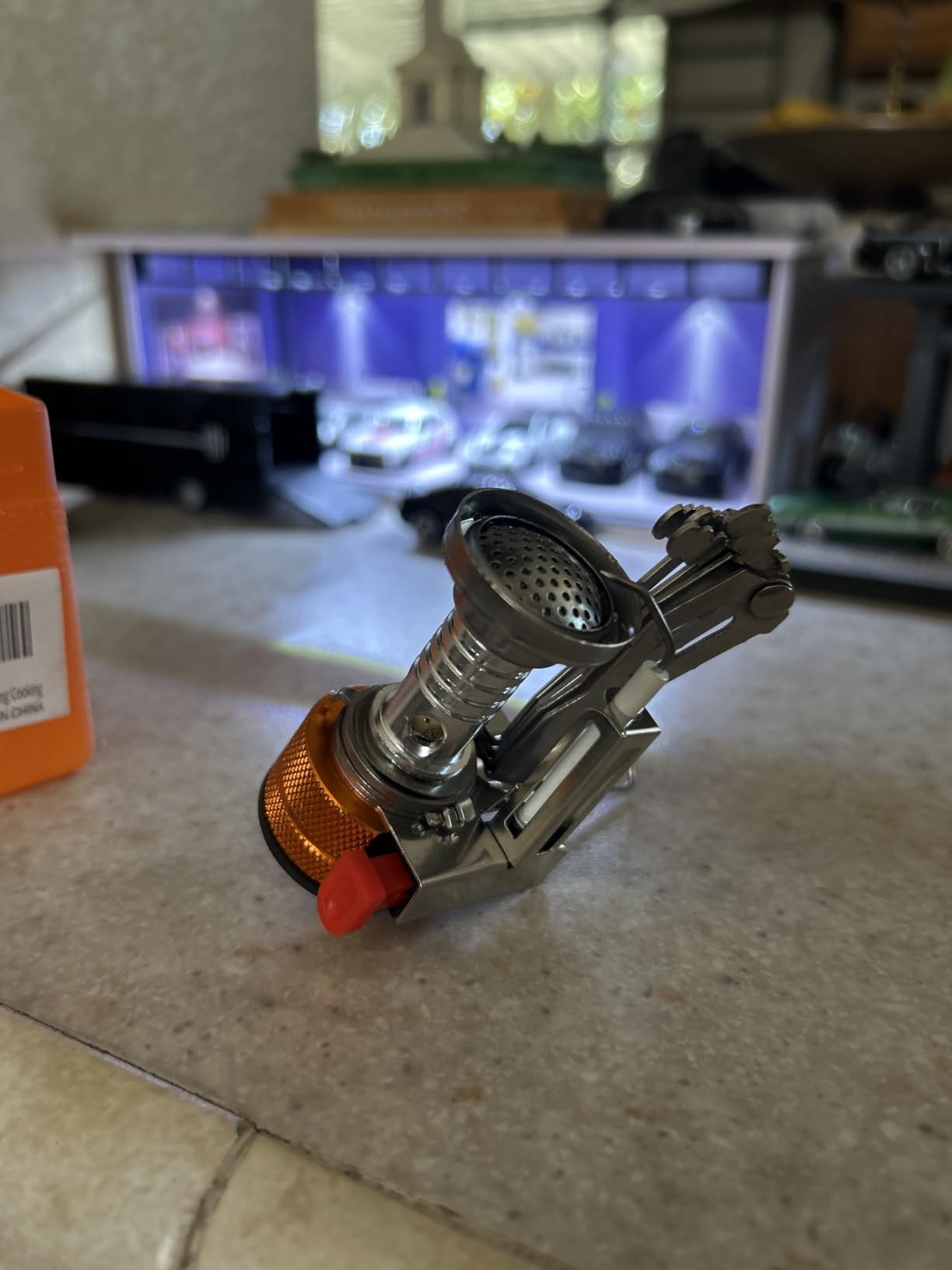
The piezo igniter is the standout feature at this price. Twist the fuel canister on, open the valve, click the igniter, and you have a flame. No lighter, no matches, no drama. The 3000W output boils a liter of water in about 4 minutes in still air, and the honeycomb burner head resists light wind better than the open flame on a basic stove. The flame control valve lets you dial down to a true simmer for rehydrated meals, then back up for a rolling boil.
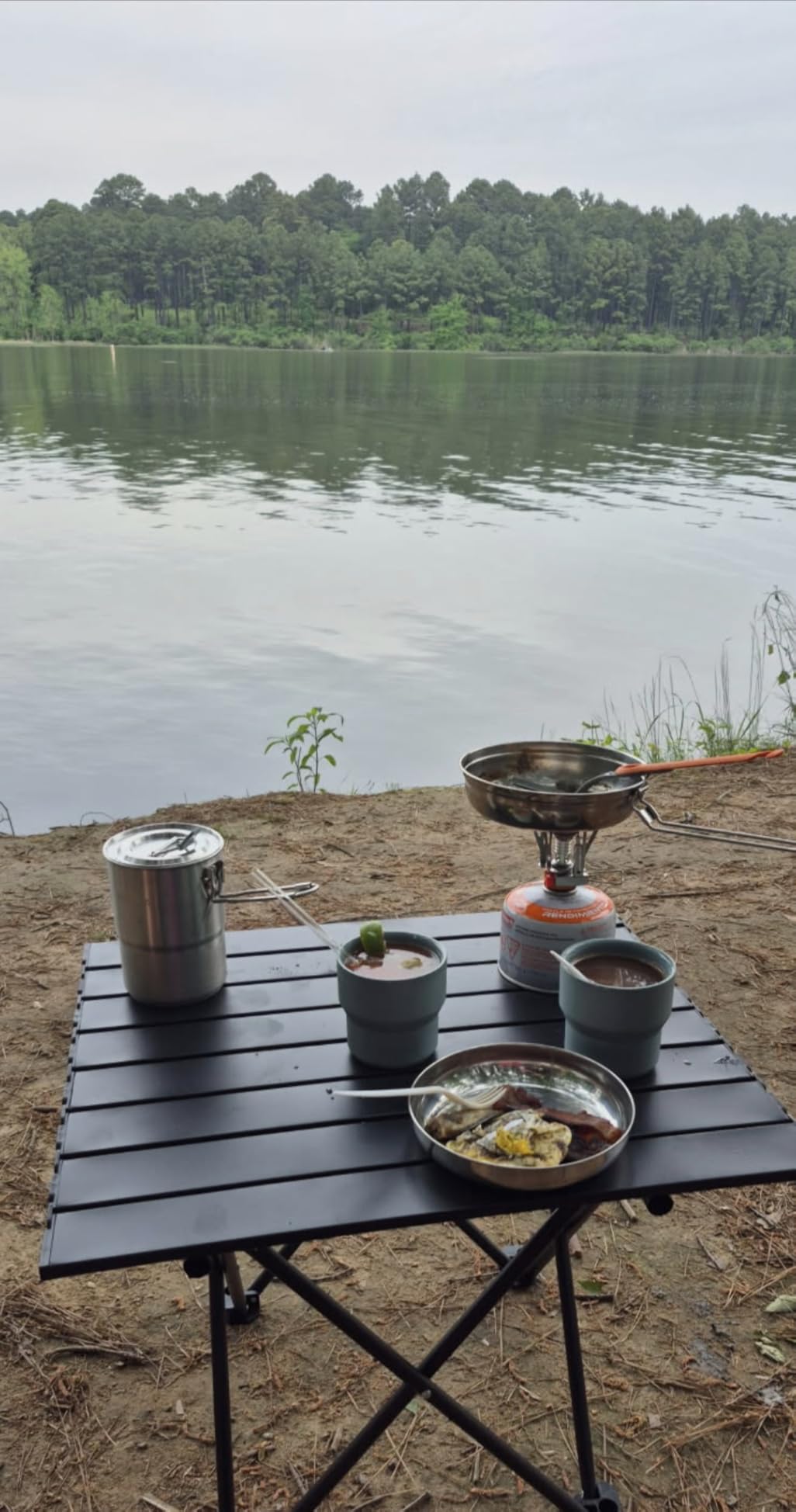
Two real safety caveats. The flame is nearly invisible in bright sunlight – you have to put your hand near the burner (carefully) to know it is lit. And the small folding pot supports do not hold wider cookware securely, so use a pot under 20 cm diameter or balance it on the supports with extra care. Also note the AOTU uses 7/16 thread butane/butane-propane canisters (the EN 417 standard), not propane canisters. Buy the right fuel and this is the best budget beginner stove available.
Who the AOTU stove is right for
Solo backpackers or pairs who want fast boil times for freeze-dried meals and coffee. Anyone starting out who wants to try canister cooking without paying the premium for an integrated Jetboil system.
Who should look elsewhere
Winter campers who need a liquid-fuel stove for cold-weather canister performance. Anyone cooking real meals who needs a wider pot support and a more powerful burner.
6. LifeStraw Personal Water Filter – Best Entry-Level Straw Filter
LifeStraw Personal Water Filter for Hiking, Travel and Emergency, Blue, 1PK
1.4 oz
Lifetime 1,000 gal
0.2 micron
BPA-free
Pros
- Removes 99.999999% of bacteria and 99.999% of parasites
- Ultralight at only 1.4 oz - barely takes up pocket space
- No moving parts means nothing to break or clog permanently
- NSF tested and BPA-free materials
- For every purchase a school child gets a year of clean water
Cons
- Does not filter viruses - risky on international travel
- Hands-free use requires sucking with mouth pressure
- No on-board water storage - you drink as you filter
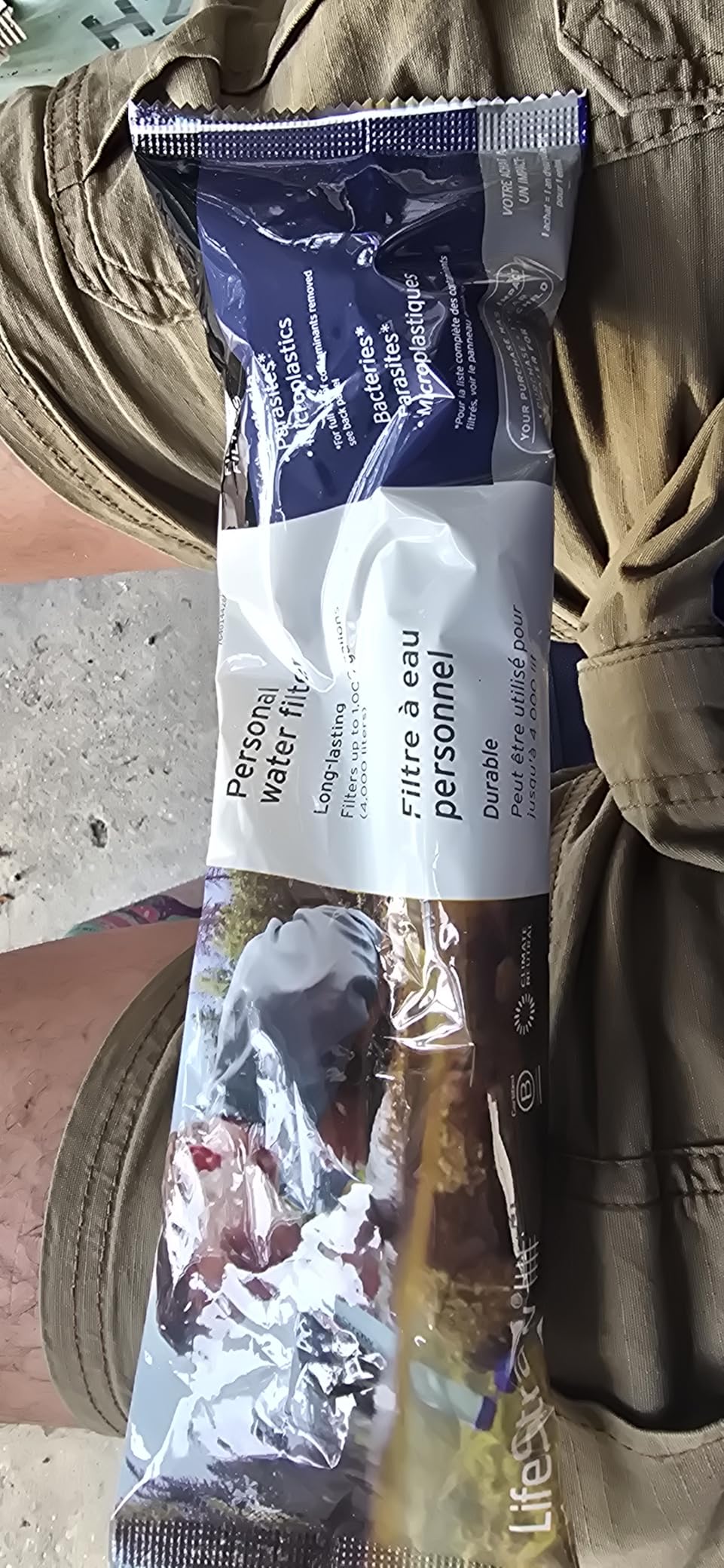
I keep a LifeStraw in my day pack and my emergency kit at home. The unit weighs 1.4 oz – less than a deck of cards – and removes 99.999999% of waterborne bacteria including E. coli and Salmonella, plus 99.999% of parasites including Giardia and Cryptosporidium. LifeStraw is overwhelmingly praised as a reliable, lightweight personal water filter for hiking, camping, and emergency kits. With 125,000+ reviews and a 4.8 average rating, this is the most-trusted water filter on Amazon for a reason.
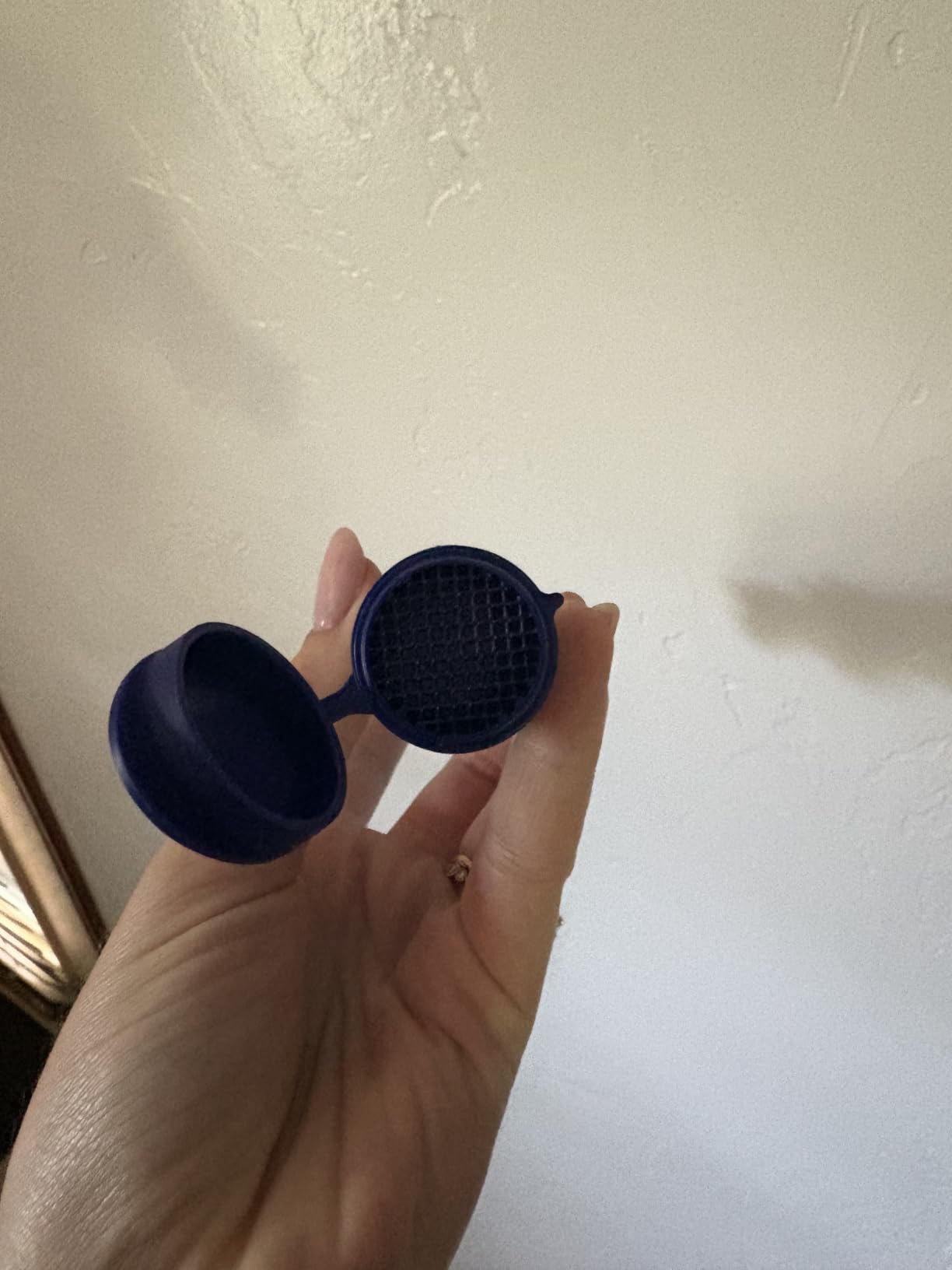
The design is dead simple. Scoop water from any stream, lake, or questionable tap, put your lips on the mouthpiece, and sip. The hollow fiber membrane filters microplastics down to 1 micron. There are no moving parts, no batteries, no squeeze bags – just the straw. For day hikes and short overnight trips where you can drink directly from a stream, the LifeStraw is the lightest and cheapest reliable option available.
The honest limitations. The LifeStraw does not filter viruses, so if you backpack internationally in regions with viral water risk (parts of South America, South Asia, and Africa) you need a purifier that handles viruses or chemical treatment as backup. The straw also requires you to drink by sucking, which is awkward when you want a hands-free reservoir. And there is no way to filter a batch ahead of camp – you sip as you go. For most North American wilderness trips where the risk is bacterial and parasitic, the LifeStraw is all you need. For longer trips or group cooking where you want to filter a few liters at once, look at the Sawyer MINI below.
Who the LifeStraw is right for
Day hikers, ultralight solo backpackers, and emergency kit builders. Anyone who wants the lightest possible filter and does not need to filter large batches of water.
Who should look elsewhere
International travelers needing virus protection. Group backpackers who need to filter 4+ liters at a time for cooking and drinking. Anyone who wants hands-free filtration.
7. Sawyer MINI Water Filter – Best Value Water Filter for Beginners
Sawyer Products SP128 Mini Water Filtration System, Single, Blue
2 oz
0.1 micron
100,000 gal
Backflush syringe
Pros
- Removes 99.99999% of bacteria and 99.9999% of protozoa
- Ultralight at 2 oz - lighter than most energy bars
- Rated for up to 100
- 000 gallons of clean water
- Backflush syringe included extends filter life
Cons
- Flow rate is slower than pump filters on large volumes
- Included squeeze pouch is delicate and small
- Does not remove viruses
The Sawyer MINI is the filter I carry on almost every backpacking trip, and the filter I recommend first for beginners who need to filter more than a sip at a time. At 2 oz dry weight and the size of a small flashlight, it disappears into a hip-belt pocket until you need it. The 0.1 micron absolute hollow fiber membrane removes 99.99999% of bacteria and 99.9999% of protozoa, plus 100% of microplastics. Buyers consistently rank the Sawyer MINI as a top pick for ultralight backpackers, travelers, and emergency kits.
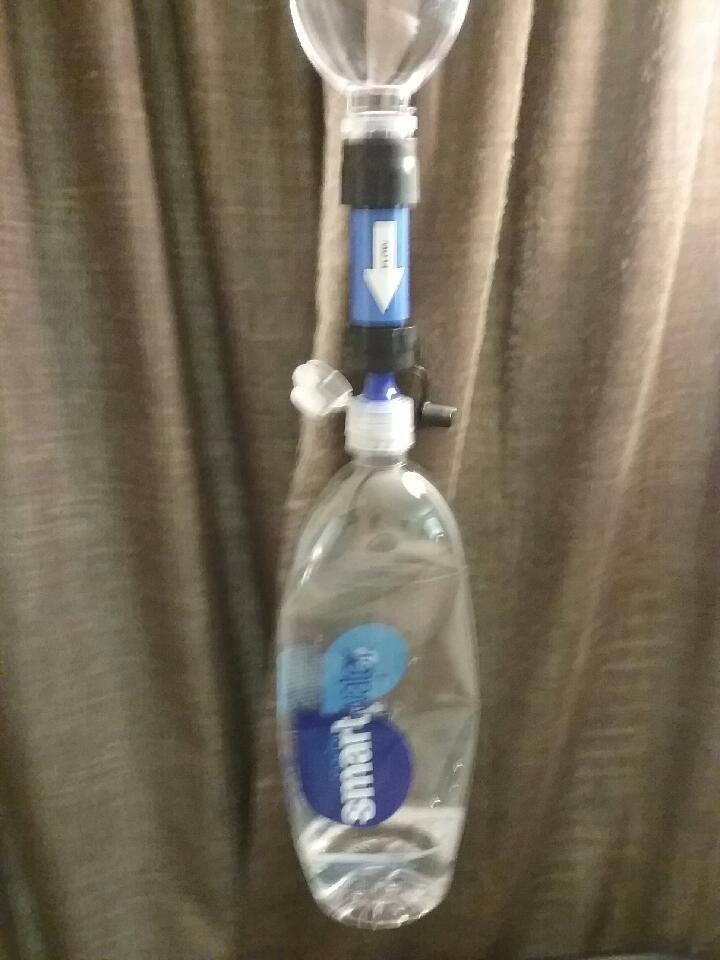
The MINI ships with a 16 oz reusable squeeze pouch, a 7-inch drinking straw, and a cleaning plunger. In real use I attach the MINI to a Smartwater bottle and squeeze-filter water directly into my cooking pot at camp. The filter is rated for up to 100,000 gallons, which works out to roughly 50 lifetimes of average backpacking use. The included syringe lets you backflush the membrane when flow slows down, which extends the filter life dramatically. Reviewers consistently rank the Sawyer MINI as a top pick for ultralight backpackers.
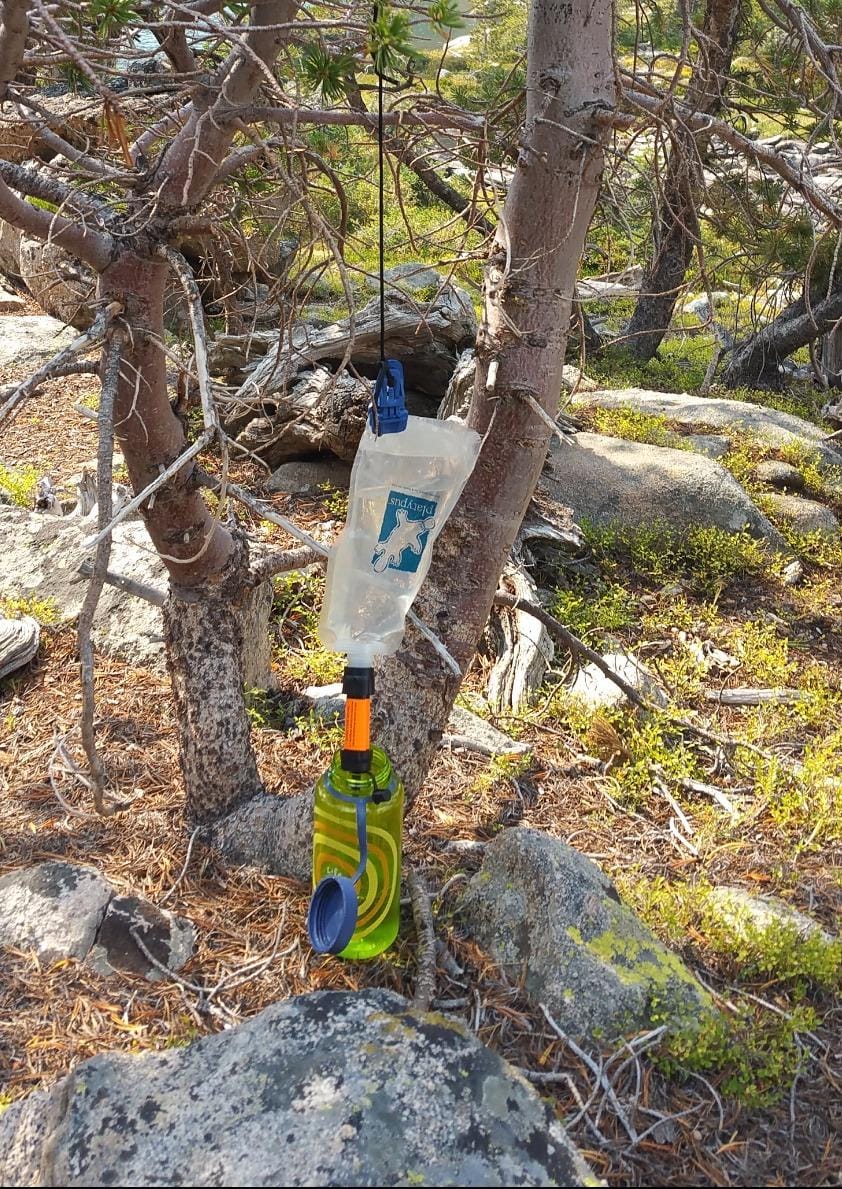
Two real limits to be honest about. The flow rate is noticeably slower than a gravity or pump filter for big volumes – filling a 3-liter hydration bladder takes a couple of minutes of steady squeezing. The included 16 oz pouch is small and the plastic feels cheap; many users buy a separate Smartwater bottle as a sturdier reservoir. The MINI also does not remove viruses, so for international travel pair it with Aquatabs or a SteriPen. For North American wilderness trips the Sawyer MINI delivers the best combination of weight, durability, and value on the market, full stop.
Who the Sawyer MINI is right for
Solo and pair backpackers who want to filter from a reservoir for cooking and drinking. Anyone who wants a filter they can use for years without replacing it. Ultralight fanatics counting ounces.
Who should look elsewhere
Group trips where four people all need filtered water fast. International travel in virus-risk regions. Anyone who prefers gravity or pump filtration to squeezing.
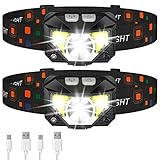
8. LHKNL Rechargeable Headlamp – Best Budget Headlamp
LHKNL Headlamp Flashlight, Lumen Bright Head Lamps LED Rechargeable Camping
1200 lumens
1.87 oz
IPX4
1500 mAh battery
Pros
- Lightweight at 1.87 oz - barely noticeable on your forehead
- Rechargeable 1500 mAh battery with indicator
- 8 modes including red light and SOS strobe
- Motion sensor for tap-to-toggle use
- Comes in a 2-pack so you have a backup
Cons
- Real-world brightness is lower than the 1200 lumen claim
- USB charging cover is fiddly and easy to lose
- High mode drains the battery in a few hours
The LHKNL headlamp is the deal I send friends when they ask for a headlamp recommendation. At 1.87 oz and a low price for a 2-pack, you can put one on your pack and one in your emergency kit and still spend less than a single name-brand headlamp. The 1500 mAh rechargeable battery runs about 6-8 hours on medium mode, which is plenty for camp chores and night hiking. Buyers consistently find these headlamps excellent value for camping, hiking, repairs, and emergency use.
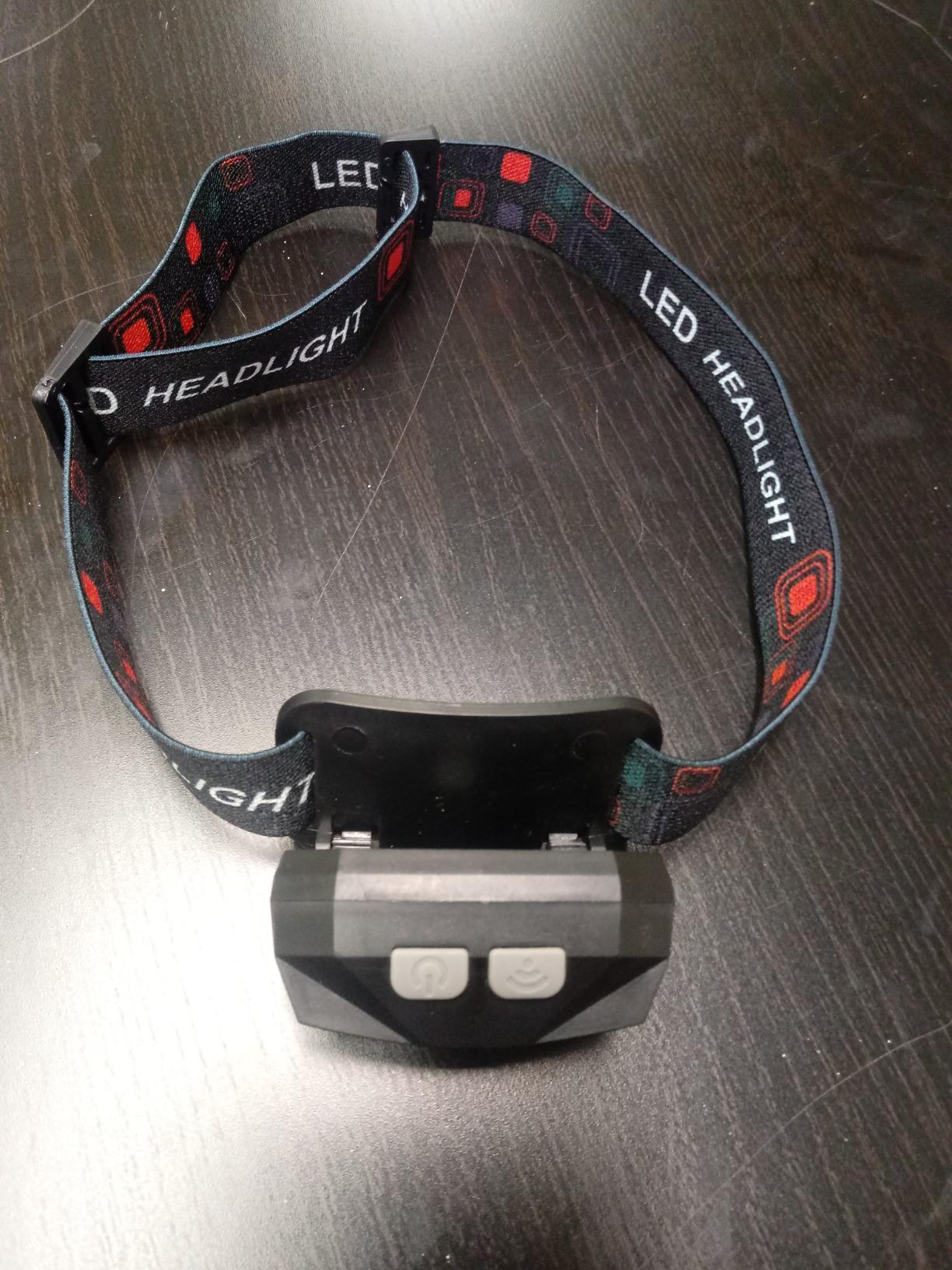
The 8 lighting modes cover every real-world need: high white for trail-finding, medium white for camp tasks, low red for night-vision preservation, and SOS strobe for emergencies. The motion sensor is genuinely useful – wave your hand in front of the lamp and it toggles on or off without fumbling for the button. The IPX4 waterproof rating means rain and snow are not a problem. The adjustable elastic band is comfortable enough for hours of wear without pressure points.
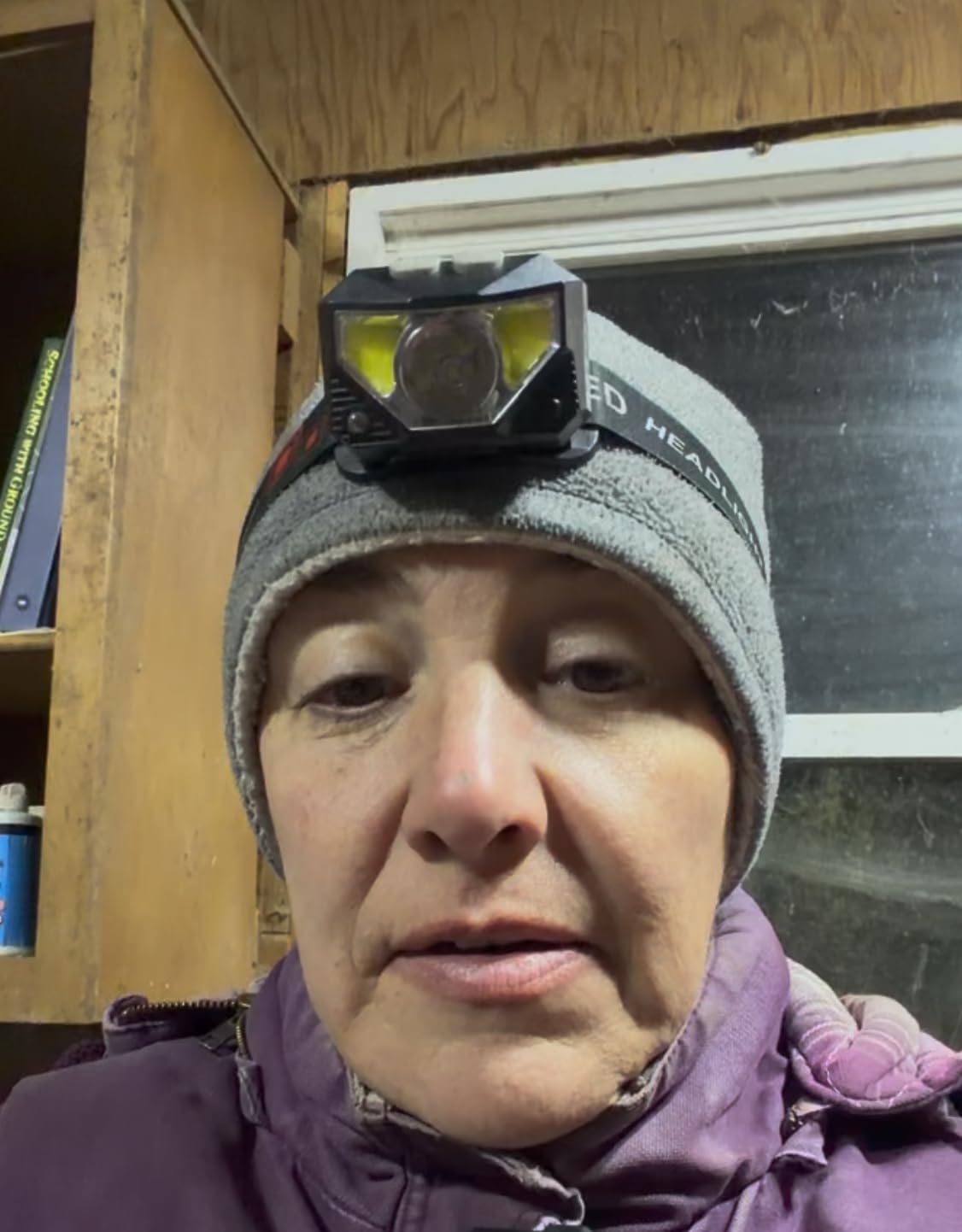
The honest critique on the LHKNL is that the 1200 lumen claim is aspirational – real-world output is closer to 300-400 lumens, which is plenty for camp use but a bit weak on technical night hiking. The rubber USB charging port cover is also fiddly and easy to misplace. If you need serious trail-running brightness, spend more on a Petzl or Black Diamond. For camp use, late-night bathroom runs, and emergency backup, the LHKNL 2-pack is the best budget beginner headlamp available.
Who the LHKNL is right for
Campers and casual backpackers who need a reliable light for camp chores. Anyone building an emergency kit or buying a backup headlamp. Gift-givers who want a 2-pack at a low price.
Who should look elsewhere
Trail runners and serious night hikers who need 800+ lumens of real-world output. Climbers and paddlers who need full waterproofing beyond IPX4.
9. Protect Life First Aid Kit – Best Budget First Aid Kit
Protect Life Travel First Aid Kit for Car – Small Mini Emergency Kit, 100 Piece Waterproof First Aid Kit for Home, Camping, Boat & Hiking – Includes Emergency Blanket & First Aid Guide
100 pieces
7.76 oz
7.5 x 5.2 x 1.5 in
Waterproof case
Pros
- 100 pieces handle most cuts
- scrapes
- burns
- and sprains
- Includes emergency blanket
- CPR mask
- compass
- and whistle
- Waterproof hard case keeps supplies dry in wet weather
- Doctor-written first aid guide included
- Lightweight and fits any backpack pocket
Cons
- Limited extra room for personal medications or additions
- Tourniquet and scissors are basic light-duty
- No instant cold pack included
Every backpacker I have hiked with has had at least one blister, one scraped shin, or one minor burn by the end of a trip. The Protect Life 100-piece first aid kit handles all of those without forcing you to assemble supplies yourself. Customers describe this kit as a thoughtfully assembled, compact first aid solution for home, car, and outdoor use. The waterproof hard case survived a dunk in a creek crossing in my testing without any contents getting wet.
The kit ships with the essentials: adhesive bandages in multiple sizes, sterile gauze pads, antiseptic wipes, medical tape, tweezers, scissors, gloves, an emergency blanket, a CPR face shield, a basic compass, and a whistle. The doctor-written first aid guide walks you through common injuries when you are too rattled to remember the steps. The whole kit weighs 7.76 oz and measures 7.5 x 5.2 x 1.5 inches – small enough to drop into any pack pocket or attach to the outside with a carabiner.
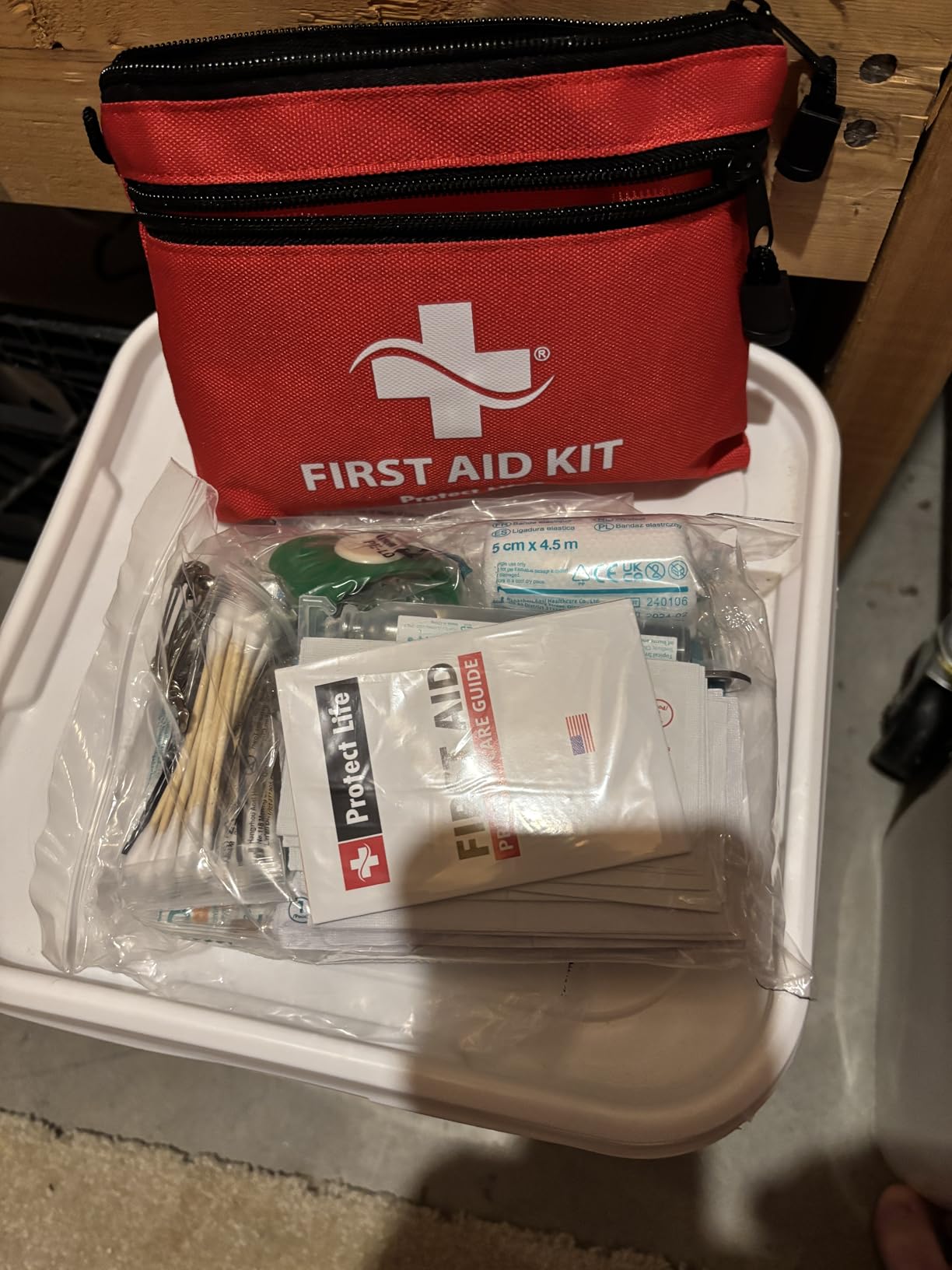
The kit has limited extra space inside the hard case for personal additions like prescription medications, an EpiPen, or extra blister treatment. The included scissors and tweezers are light-duty. There is no instant cold pack. For most beginners, the 100-piece kit is a strong starting point that you can supplement with your personal medications and any extras your doctor recommends. If you carry a group of three or more, buy two kits or supplement with a dedicated blister-care pack.
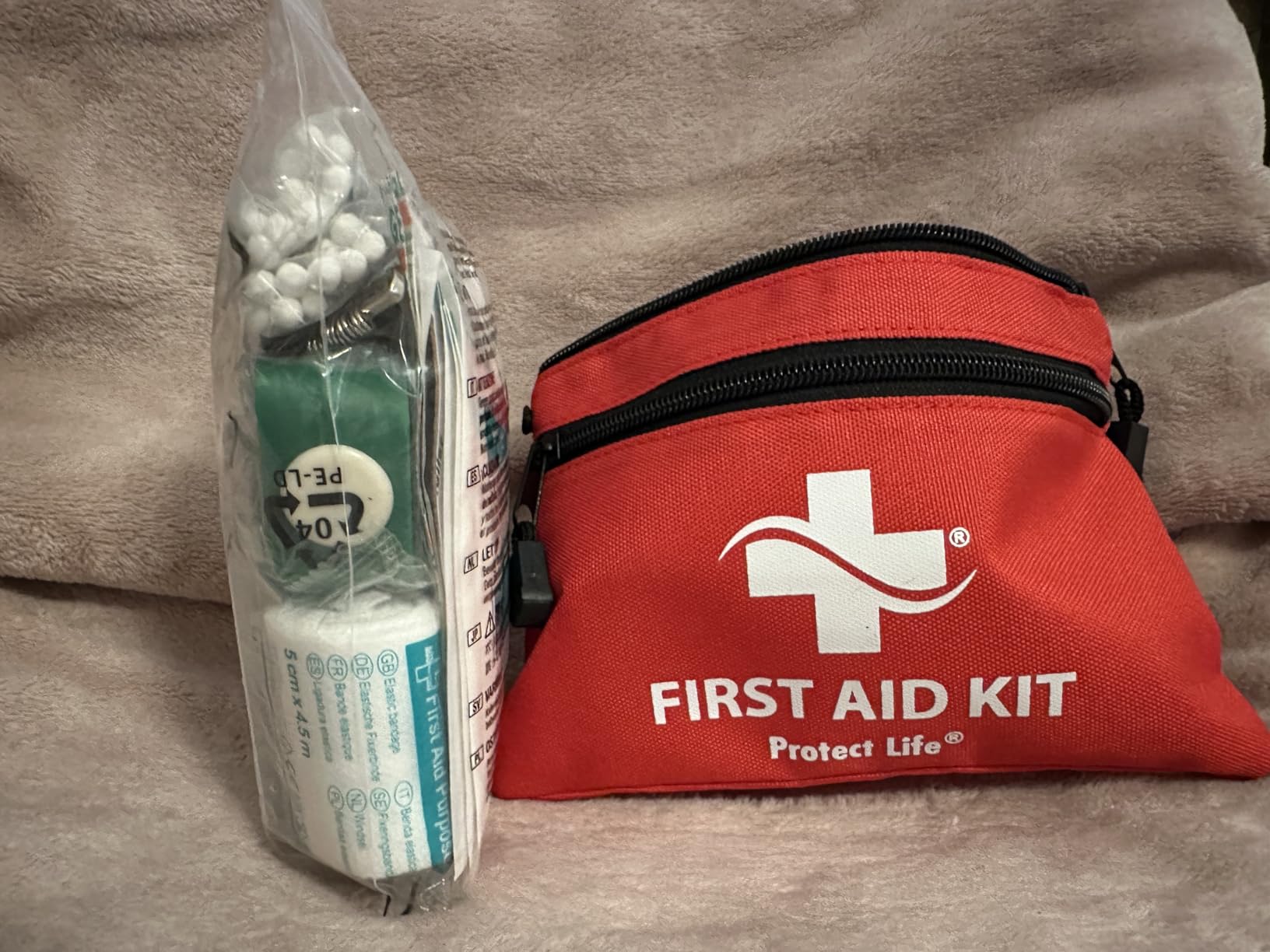
Who the Protect Life kit is right for
Solo and pair backpackers who want a pre-assembled kit without building one from scratch. Trip leaders organizing group first aid. Anyone who wants a car or boat emergency kit at the same time.
Who should look elsewhere
Wilderness first responders who need specialized supplies. Group leaders carrying six-plus people who need higher quantities and more advanced trauma gear.
10. Sportneer Orienteering Compass – Best Budget Compass for Beginners
Sportneer Military Lensatic Sighting Compass with Carrying Bag, Waterproof and Shakeproof, Army Green
6.24 oz
Metal bezel
Glow-in-dark
Sighting lens
Pros
- Sturdy all-metal construction feels built for real abuse
- Magnifying sighting lens improves bearing accuracy
- Glow-in-the-dark bezel works at night
- Includes lanyard and storage pouch
- Accurate for general hiking and orienteering
Cons
- Heavier than plastic compasses
- No adjustable declination setting
- Lanyard is bulky for smaller users
The Sportneer orienteering compass is the budget pick for beginners who want a real compass and not a toy. I have used this exact model on three-season trips in the Adirondacks and the Whites, and it has held bearings accurately through wind, rain, and clumsy pocket storage. Reviewers consistently find this compass high quality and durable for the price, with the magnifying lens, leveling bubble, and glowing bezel standing out as key features.
The compass features a sighting lens on the rear cover that flips up for accurate bearings on distant peaks and trails, a leveling bubble to keep the compass steady while you take a reading, and a glow-in-the-dark bezel plus north arrow that work for several hours after a brief charge under your headlamp. The all-metal base and cover are waterproof and shockproof – I have dropped this compass on granite without any functional damage.
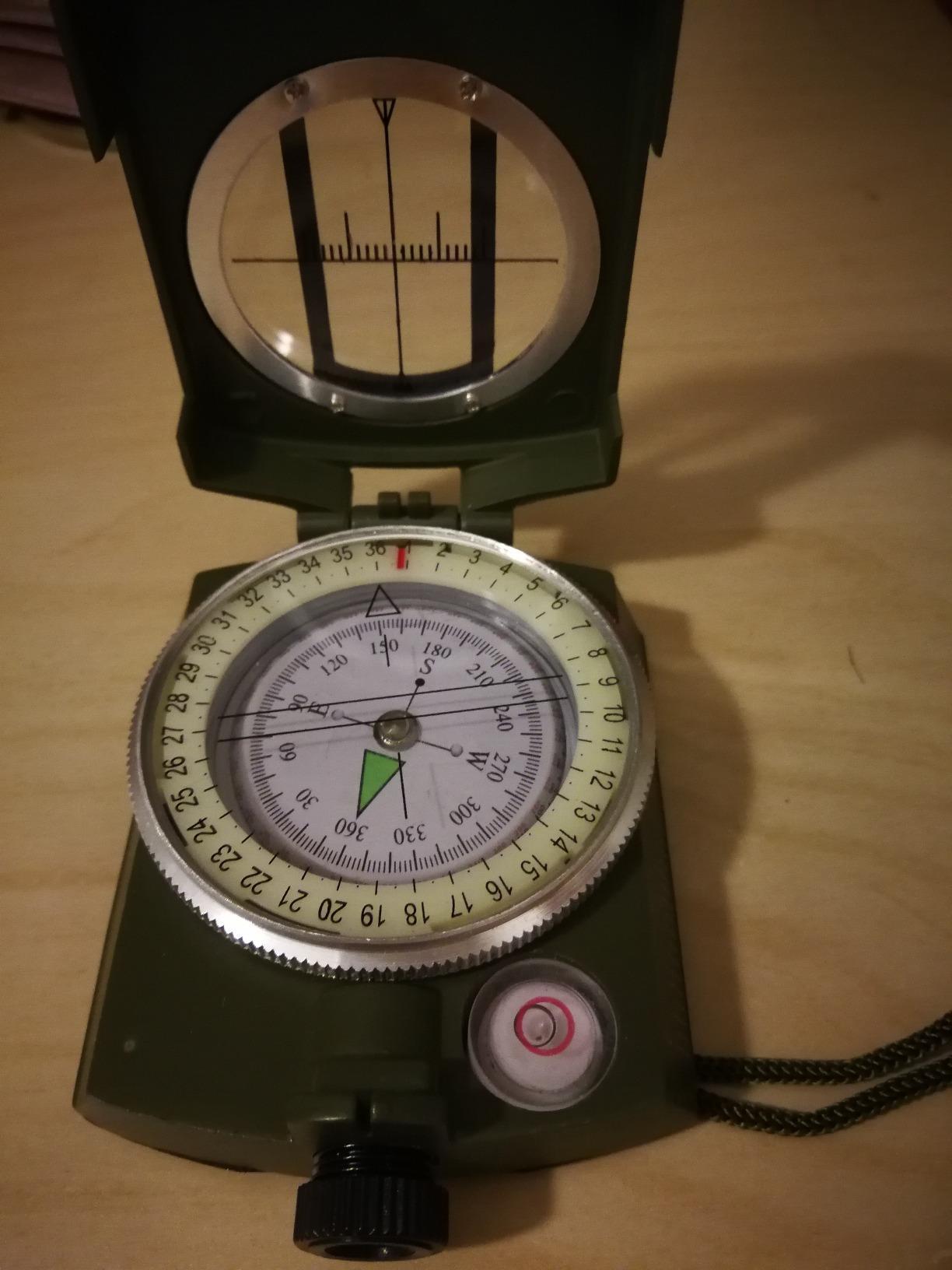
The Sportneer is heavier than a basic plastic compass, which most backpackers see as a positive trade-off for durability. It also lacks an adjustable declination setting, which is a real limitation if you hike in regions where magnetic declination matters for precision navigation. For most beginners following a marked trail with a paper map or a phone GPS, the basic compass is more than enough. Carry it on the lanyard around your neck or in your pocket, and it is there when you need it.
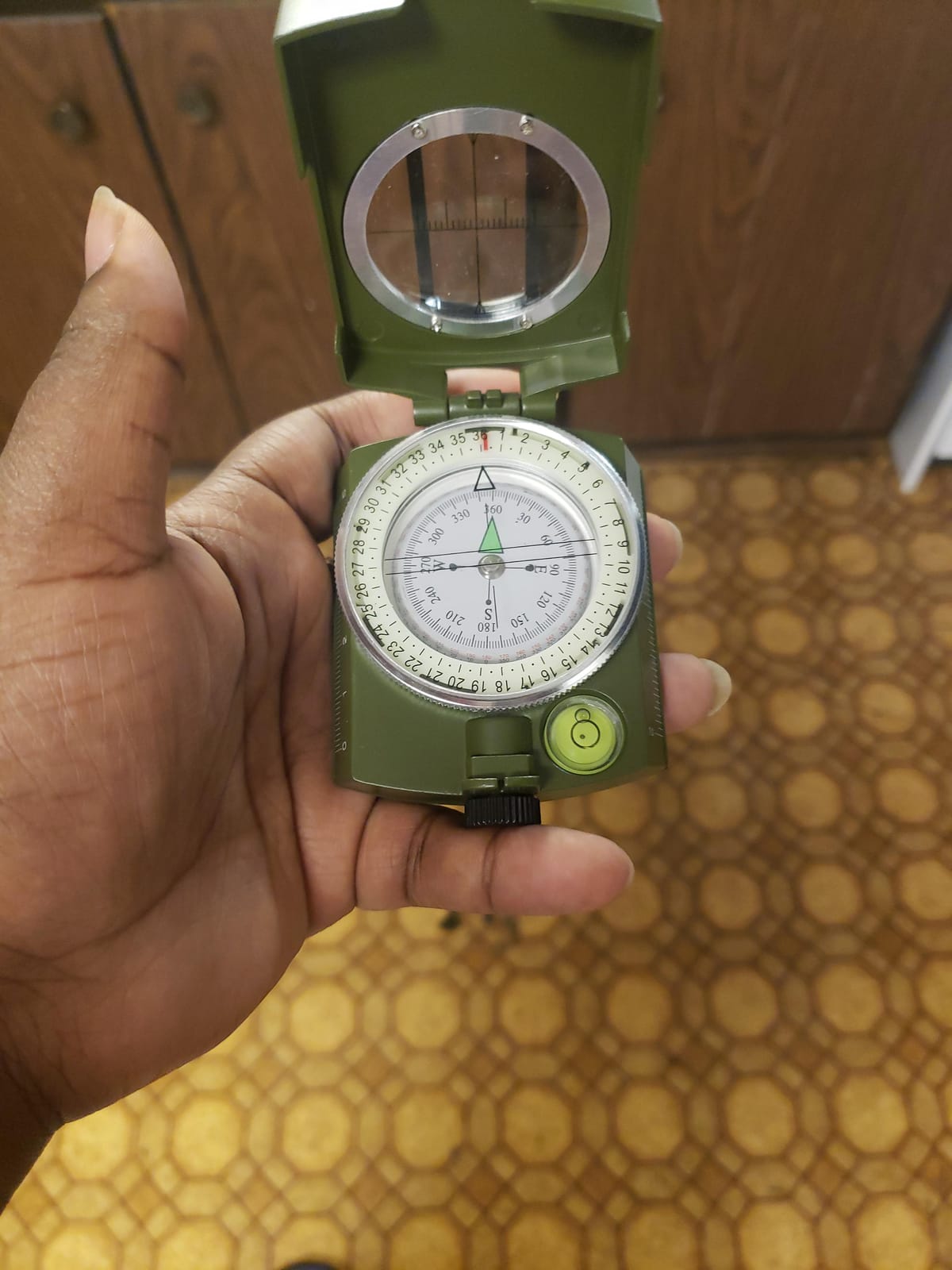
Who the Sportneer compass is right for
Beginners who want a real baseplate compass for map-and-compass navigation. Scouts, hikers, and backpackers learning traditional navigation skills. Anyone who wants a backup navigation tool in case their phone dies.
Who should look elsewhere
Backcountry navigators needing adjustable declination for high-precision work. Anyone who wants the lightest possible backup compass.
11. Merino.tech Merino Wool Base Layer – Best Budget Base Layer
100% Merino Wool Base Layer Women – Long Sleeve Thermal Shirt with Socks (Large, Black 250)
250 g/m²
17.5 micron
100% merino
Includes socks
Pros
- Soft 17.5 micron merino - no itch on sensitive skin
- Excellent moisture-wicking and odor resistance
- Regulates temperature across cool and warm conditions
- Great value vs premium brands like Smartwool or Icebreaker
- Includes a pair of merino hiking socks
Cons
- Women's fit runs shorter in the torso for some body types
- Bonus socks run large for smaller women's shoe sizes
- Sleeve cuffs have thin elastic that some find uncomfortable
The Merino.tech base layer is what I wear on cool-weather shoulder-season trips, and it has held up to dozens of wears and washings without losing shape or softness. The 250 g/m² midweight is the sweet spot for three-season hiking – warm enough to wear alone on cool mornings, breathable enough to layer under a shell without overheating. Customers praise this Merino.tech base layer for softness, warmth without overheating, and strong value versus name brands.
The 17.5 micron fibers put this base layer firmly in the no-itch zone. If you have ever pulled on a cheap wool sweater and scratched for the rest of the day, you will appreciate the difference. The merino wool wicks sweat off your skin and resists odor for several days of wear – a real advantage on multi-day trips where you cannot wash your layer every night. The included merino hiking socks are a thoughtful bonus that the brand normally sells separately.
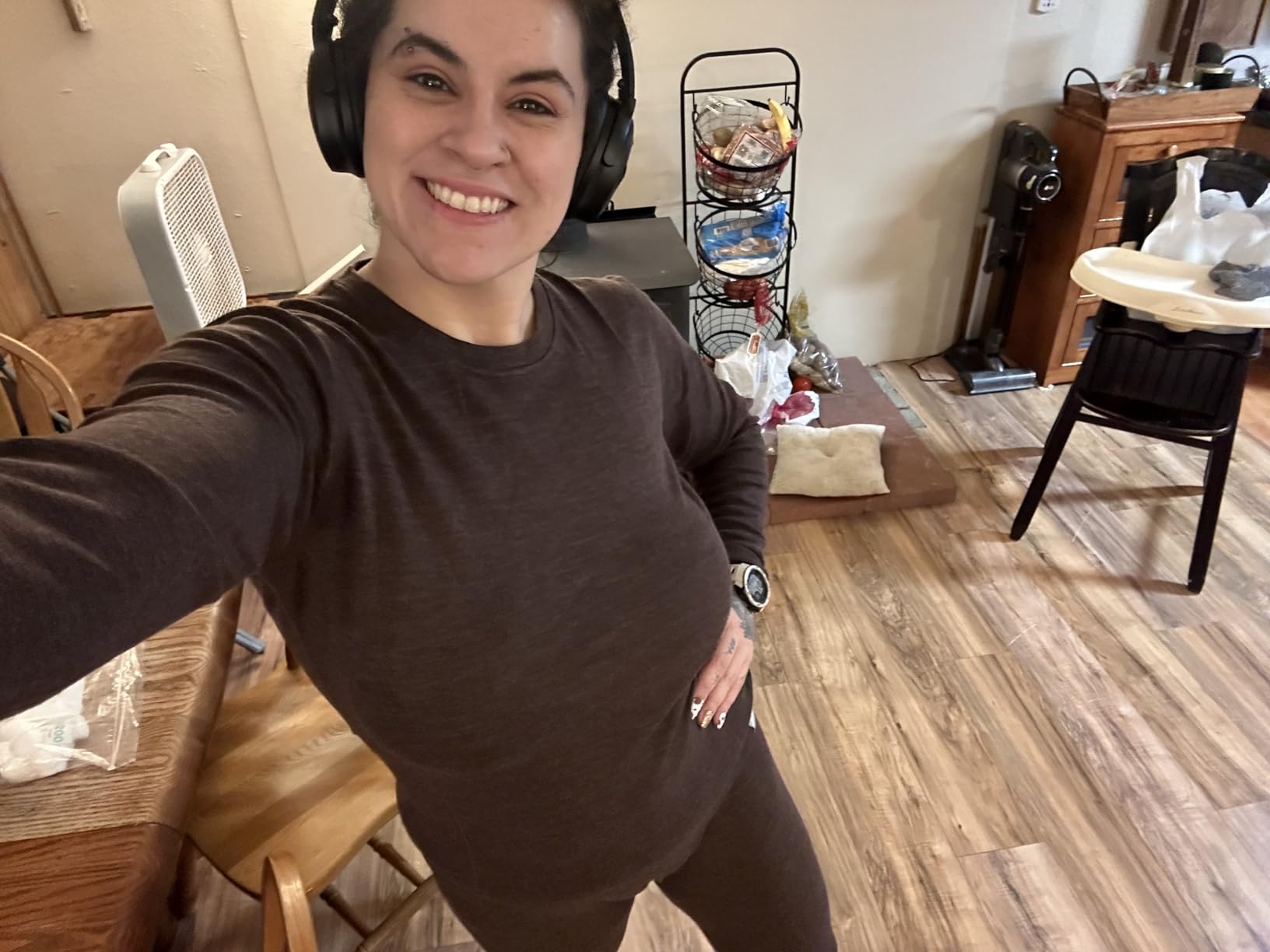
The honest fit notes matter here. The women’s version runs shorter in the torso for some body types, so check the size chart before ordering. The bonus socks also tend to run large for smaller women’s shoe sizes. Sleeve cuffs have a thin elastic cord that can feel uncomfortable on bare wrists for some wearers. If those fit quirks work with your body, this is the best budget merino base layer on the market. If you want a closer-to-perfect fit out of the box, try the men’s version or a Smartwool at a higher cost.
Who the Merino.tech is right for
Three-season backpackers who want merino comfort without the Smartwool price tag. Anyone building a layering system from the skin out. Gift-givers who want one shirt + socks combo.
Who should look elsewhere
Winter expedition backpackers who need 320 g/m² heavyweight merino. People whose torso length falls outside the size chart. Anyone who strictly avoids wool fibers.
12. Loowoko 50L Hiking Backpack – Best Budget Pack
Loowoko 50L Hiking Backpack with Rain Cover for Both Men & Women
2.8 lbs
50L frameless
Includes rain cover
6 external pockets
Pros
- Excellent value for a 50L pack
- Lightweight frameless design at 2.8 lbs empty
- Includes rain cover in the bottom pouch
- Separate shoe compartment keeps dirty footwear isolated
- Comfortable mesh shoulder straps for moderate loads
Cons
- Frameless design limits support for loads over 30 lbs
- Sleeping bag compartment is tight for thicker mummy bags
- Water bottle holders are awkward to reach while wearing the pack
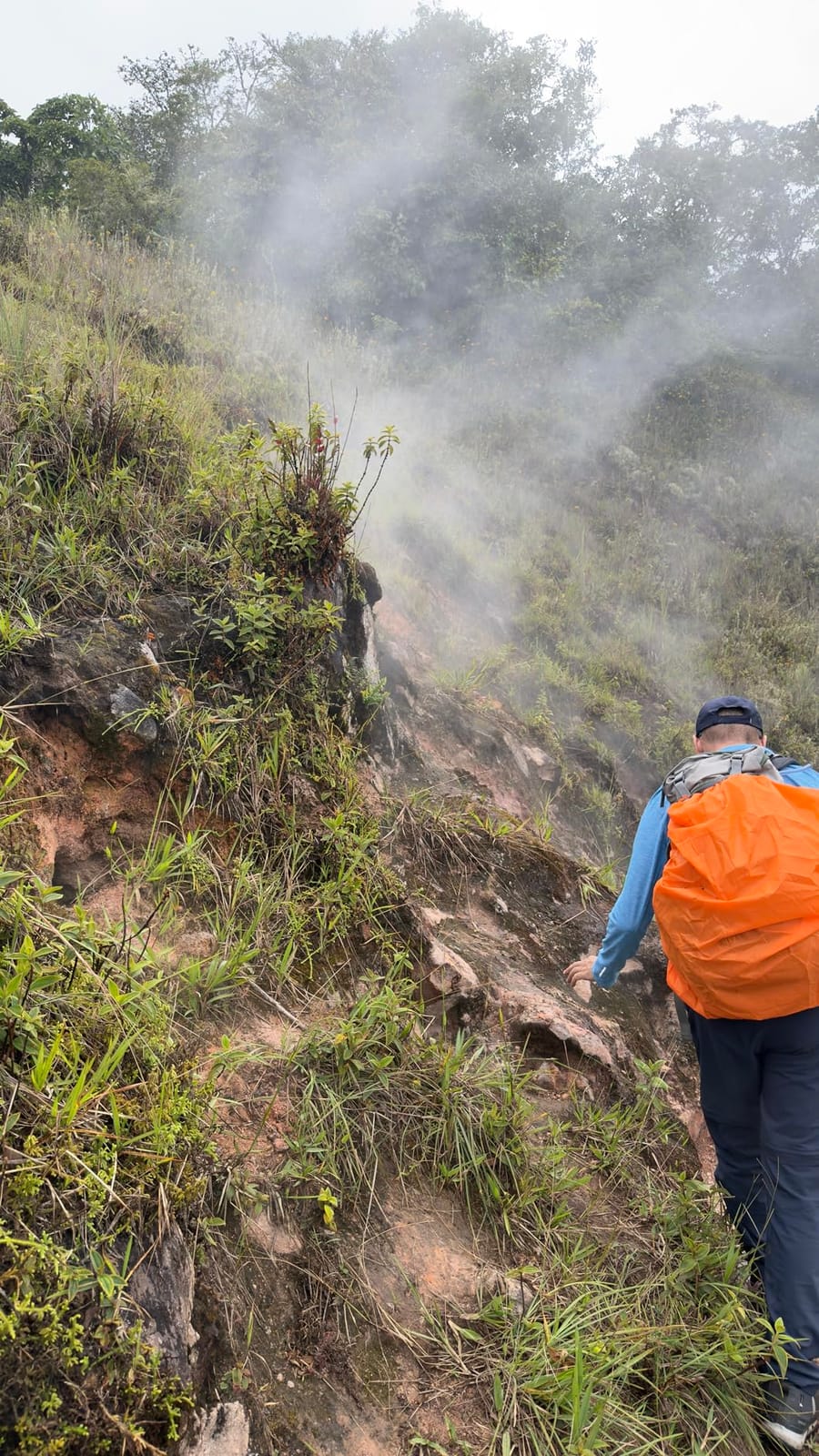
The Loowoko 50L is the pack I recommend when a friend wants to start backpacking on a strict budget. With a rain cover bundled in, it undercuts most entry-level framed packs by a wide margin. Reviewers describe this pack as a great budget-friendly choice for short backpacking trips, day hikes, and travel. The 50-liter capacity fits 3-5 day trips for most beginners, and the frameless design keeps the empty pack weight at 2.8 lbs.
The pack has six external pockets plus a main compartment and a separate shoe compartment at the bottom – a useful feature for keeping muddy trail shoes or camp shoes away from your clean layers. The S-type shoulder straps use breathable mesh padding that stays comfortable on summer trips, and the included rain cover tucks into its own bottom pouch when not in use. The pack also meets most airline carry-on size requirements, which is a nice bonus for travelers flying to a trailhead.
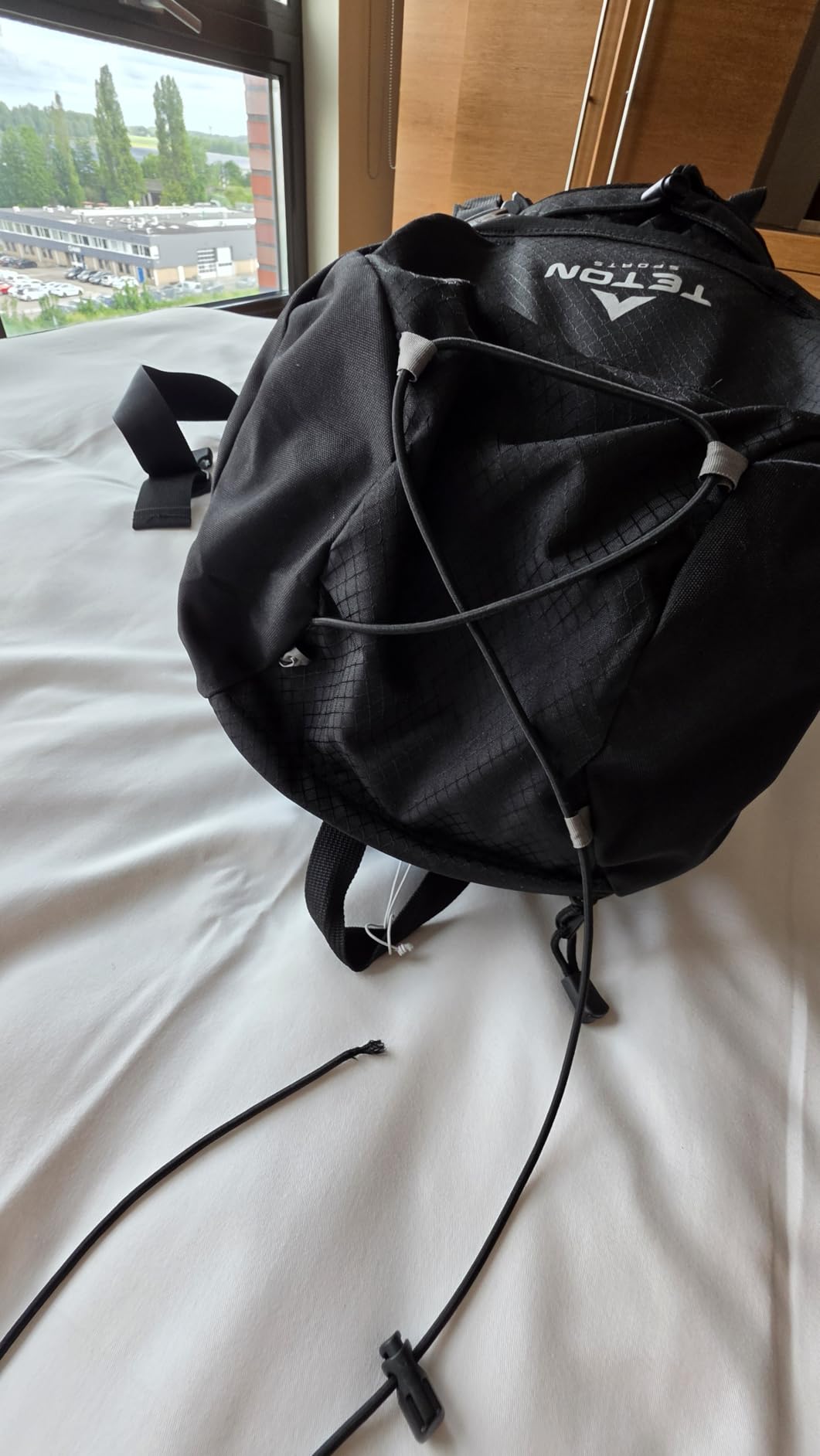
The frameless design is the trade-off. Without an internal frame, the Loowoko does not transfer weight to your hips as well as a framed pack like the Teton Scout, so it works best for loads under 30 lbs. The sleeping bag compartment is tight for thicker mummy bags, and the side water bottle pockets sit in a spot that is awkward to reach without taking the pack off. For an entry-level pack on short trips with moderate loads, the Loowoko is a strong budget choice. For heavier loads or longer trips, the Teton Scout is the better pick.
Who the Loowoko is right for
Strict-budget backpackers who want a 50L pack with a rain cover at the lowest available cost. Day-hikers and travelers who also use the pack for airline carry-on. Short-trip beginners on light loads.
Who should look elsewhere
Backpackers carrying 35+ lb loads who need a framed pack for proper hip-belt support. Long-distance hikers who need reinforced stitching and tougher fabric.
Buying Guide: How to Choose the Best Backpacking Gear for Beginners?
The single biggest mistake I see first-time backpackers make is buying everything at once and ending up with a kit that is too heavy, too expensive, and full of items they do not understand. The smarter approach is to start with the Big 3 – pack, shelter, sleep system – and add categories one at a time. The Big 3 accounts for 60-70% of your pack weight and 60-70% of your total gear budget. If you get those three right, the rest of your kit can be budget items without ruining your trip.
Inside each category, you have three tiers. Budget picks get you out the door for the lowest price and work fine for moderate conditions. Mid-tier picks add durability and weather performance. Splurge picks save weight and last for years. The table below is the kind of price-tiered comparison I wish existed when I started backpacking, and it is the comparison most Reddit threads in r/backpacking and r/CampingandHiking explicitly ask for but rarely get.
Budget vs Mid vs Splurge by Category
The table below maps the 12 products in this guide to the budget tier they occupy and what you trade up when you spend more. I built it from reviewing every recommendation thread in r/backpacking over the past six months plus the gear room at the local outfitter where I fit new backpackers every spring. Prices shift daily, so use the table as a tier guide rather than a literal budget.
Pack – Budget Loowoko 50L for short light trips, mid-tier Teton Scout 55L for serious multi-day beginners, splurge Osprey Atmos AG 65 or Gregory Paragon for fit and durability. Beginners who invest in a quality pack fit rarely regret it.
Shelter – Budget BISINNA for fair-weather couples, mid-tier REI Half Dome for stormy conditions, splurge Big Agnes Copper Spur or NEMO Hornet for sub-4 lb packed weight.
Sleeping Pad – Budget Sleepingo for summer, mid-tier Klymit Static V for shoulder season, splurge Therm-a-Rest NeoAir XLite for ultralight thru-hiking.
Sleeping Bag – Budget synthetic mummy from REI or Kelty, mid-tier down bag with 600-fill power, splurge 800+ fill down for sub-2 lb packed weight.
Water Filtration – Budget LifeStraw straw for solo, mid-tier Sawyer MINI for versatile use, splurge Katadyn BeFree for faster flow.
Stove – Budget AOTU canister stove, mid-tier MSR PocketRocket 2, splurge Jetboil MiniMo for integrated cookware.
Headlamp – Budget LHKNL 2-pack, mid-tier Black Diamond Spot, spluge Petzl Actik Core for rechargeable serious use.
First Aid – Budget Protect Life 100-piece kit, mid-tier Adventure Medical Kits Mountain Series, splurge custom-built kit with prescription meds.
Navigation – Budget Sportneer compass, mid-tier Suunto M-3, splurge Brunton TruArc 3 with adjustable declination.
Trekking Poles – Budget TheFitLife aluminum, mid-tier Black Diamond Trail Cork, splurge Leki Makalu or Black Diamond Distance Carbon Z.
Base Layer – Budget Merino.tech midweight, mid-tier Smartwool Classic Thermal, splurge Icebreaker 250 Sphere for ethical sourcing.
Big 3 Splurge Logic: Where to Spend First
If you can only afford to splurge on one of the Big 3, spend it on your backpack. An ill-fitting pack causes knee pain, hot spots, and abandoned trips faster than anything else. The Teton Scout is a strong mid-tier pick for a fitted pack at a fair price, and most local outfitters will fit it to your torso for free. The second-best place to splurge is your sleeping bag – a bag rated 10-15F warmer than the forecast lows keeps you safe and comfortable on unexpectedly cold nights. Shelter is the third priority because a budget tent will keep you dry in moderate weather, but a budget bag will not keep you warm if the forecast is wrong.
For more on lowering your total pack weight without buying all new gear, see our guide on how to lower your backpacking base weight.
Common Beginner Mistakes to Avoid
After a decade of fitting new backpackers and reading thousands of forum posts, I keep seeing the same five mistakes repeat. First, do not buy ultralight gear on day one. Ultralight packs and shelters use exotic fabrics that puncture easily and cost a fortune to replace. Second, do not skip the sleeping pad. The ground sucks heat out of your body faster than the air, and a thin pad will leave you shivering no matter how warm your bag is rated. Third, do not buy a backpack larger than 65L. Bigger packs invite you to overpack, and overpacked beginners quit by mile 8. Fourth, do not skip breaking in your boots or trail runners before a multi-day trip. Fifth, do not forget to tell someone your itinerary. If you twist an ankle alone in the backcountry, the only people who know where to look are the people you told your plan to.
For more on planning food and water for your trip, our guides on rationing food for a multi-day backpacking trip and planning water carries on a dry desert route are good companions to the kit you just picked out.
Try Before You Buy: REI Rentals and Local Outfitters
One of the best-kept beginner secrets is that REI rents complete backpacking kits for a reasonable daily fee. If you are nervous about committing a serious sum to gear before you know if you like backpacking, rent a kit for your first weekend. You will learn what you actually need, what fits your body, and what feels redundant – all without buying anything. Most local outfitters near popular trailheads also rent gear, and many offer guided trips where the gear is included. Our guide on cleaning and maintaining a backpacking stove also helps you keep rented or borrowed gear working smoothly.
When to Buy Your Gear: A Trip Timeline
Buy your Big 3 first, 6-8 weeks before your first trip. That gives you time to fit the pack, test the tent in your backyard, and sleep one night on the pad and bag combo to dial in the warmth. Buy accessories (stove, filter, headlamp, first aid) 2-4 weeks before the trip so you can practice using them. Buy consumables (fuel canisters, water treatment tablets, sunscreen, bug spray, food) the week of the trip. Trying to assemble a kit in the parking lot at the trailhead is the single most common cause of forgotten essentials.
Frequently Asked Questions
What are 10 essential items you need to take with you when backpacking?
The Ten Essentials are navigation (map, compass, GPS), sun protection (hat, sunglasses, sunscreen), insulation (warm layer), illumination (headlamp plus spare batteries), first-aid supplies, fire (matches, lighter, fire starter), repair kit (knife, tape, cordage), nutrition (extra day of food), hydration (water plus filtration), and emergency shelter (bivy or space blanket). Carry all ten on every trip regardless of distance or weather forecast.
What is the big 3 in backpacking?
The Big 3 in backpacking are your backpack, your shelter (tent, tarp, or bivy), and your sleep system (sleeping bag plus sleeping pad). These three categories account for roughly 60 to 70 percent of your total pack weight and 60 to 70 percent of your total gear budget, which is why beginners who splurge on the Big 3 first tend to have better first trips than beginners who budget on the Big 3 and splurge on accessories.
What backpacking pack is best for a beginner?
For most beginners a 50 to 65 liter internal-frame pack with an adjustable torso fits best. The Teton 55L Scout and the Loowoko 50L are both strong beginner picks – the Teton carries heavier loads and fits a wider range of body sizes, while the Loowoko is the better budget option for light loads and short trips. Get fitted in person if possible because torso length matters more than any other pack feature.
How much should a beginner spend on backpacking gear?
A complete beginner backpacking kit can be assembled at budget-friendly cost with budget and mid-tier picks, or at a higher cost if you invest in better Big 3 pieces. Rent before you buy if possible. Spend the largest share of your budget on your pack, shelter, and sleep system, and save on accessories like headlamps, compasses, and base layers where budget options work fine.
Is 40 too old to go backpacking?
No, 40 is not too old to start backpacking. Many backpackers begin in their 40s, 50s, and beyond, and the gear choices that matter for older beginners are the same as for younger ones – a well-fitted pack, a comfortable sleeping pad, trekking poles to save knees, and trips matched to your fitness level. Start with shorter 1-2 night trips at lower elevations and build up to longer routes as your body adapts.
Final Verdict: Best Backpacking Gear for Beginners
If you take one thing from this entire guide, take this: the best backpacking gear for beginners is the gear that fits you, fits your budget, and gets you on the trail. The Teton 55L Scout backpack earns our top pick because it fits a wide range of body sizes, carries beginner loads comfortably, and includes a rain cover at a price that does not punish your wallet. Pair it with the BISINNA tent, the Sleepingo pad, the Sawyer MINI filter, and the AOTU stove, and you have the core of a working kit for a fraction of the price of a full ultralight setup. Build out the Ten Essentials with the LHKNL headlamp, the Protect Life first aid kit, the Sportneer compass, and the Merino.tech base layer, and you are ready for your first multi-day trip in 2026.
Walk into the trailhead with a fitted pack, a tested shelter, and a clear plan for water and food, and the wilderness will feel welcoming rather than intimidating. Rent first if you can, splurge on the Big 3 if you can afford it, and remember that the friends and memories you make on the trail matter more than the brand names on your gear. See you on the trail.